
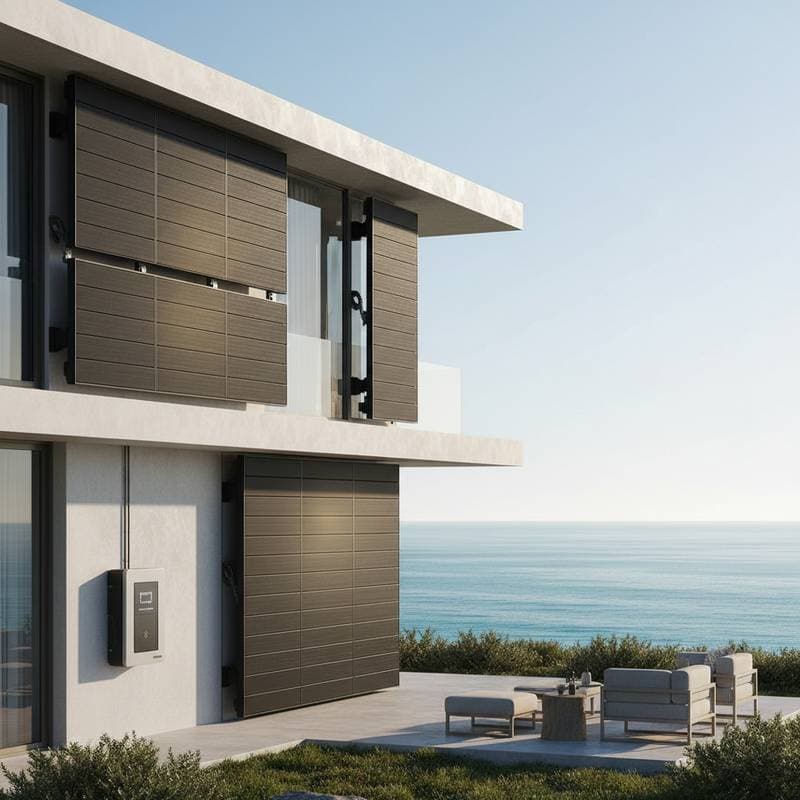
Storm Shutters That Generate Solar Power
Homeowners along the coast now have an innovative way to protect their homes from storms while producing clean energy at the same time. Solar storm shutters combine the strength of traditional hurricane protection with the efficiency of solar panels. This dual purpose turns a typically passive feature into an active energy generator. For coastal residents in areas like San Diego, this technology brings new meaning to sustainable home design.
These advanced shutters generate enough solar power to offset a portion of household electricity use. They still provide robust wind and debris protection during extreme weather. The combination of renewable energy and coastal resilience changes how homeowners approach storm preparation and energy efficiency.
Average Cost and Energy Output
The cost of solar storm shutters varies by material, size, and installation complexity. Homeowners can expect to spend between 60 and 100 dollars per square foot for materials and installation. While more expensive than standard shutters, the energy savings and added property value help balance the investment.
| Project Type | Cost Range | Energy Output | ROI Estimate |
|---|---|---|---|
| Basic manual shutters | 40 to 60 dollars per sq. ft. | Minimal | 40 percent |
| Motorized system with solar panels | 60 to 100 dollars per sq. ft. | 250 to 400 watts per panel | 60 to 75 percent |
| Full home installation with battery backup | 80 to 120 dollars per sq. ft. | 4 to 6 kW total system | 70 to 85 percent |
Energy production depends on roof orientation and local sunlight exposure. In a sunny coastal location, a full installation may produce enough electricity to power essential appliances during the day or charge a battery for nighttime use.
Factors Influencing Cost and Efficiency
Several factors determine the overall cost and effectiveness of energy generating shutters.
Material and Build Quality
High grade aluminum or composite shutters resist corrosion and provide better insulation. Cheaper materials may reduce upfront costs but shorten the product lifespan.
Sun Exposure
Homes facing south or west receive the most sunlight, increasing output. Shaded properties may generate less energy but still benefit from protection.
Installation Complexity
Multi story homes or custom window shapes may require specialized mounting hardware, which increases labor costs.
Battery Storage Option
Adding a battery system boosts energy independence but adds roughly 5000 to 10000 dollars to total costs.
DIY and Affordable Options
DIY options remain limited due to the electrical components and safety standards required for hurricane rated shutters. Budget conscious homeowners can explore partial installations or hybrid systems where only certain shutters include solar panels.
Affordable alternatives include the following options:
- Manual rolling shutters with smaller solar modules for partial energy generation.
- Portable solar panels combined with traditional shutters for a less permanent setup.
- Community co op programs that reduce equipment and installation costs through group purchasing.
Even small scale systems can provide meaningful energy savings while strengthening storm preparedness.
Return on Investment and Longevity
The return on investment for solar storm shutters depends on installation size and energy use patterns. Most homeowners recover costs within 7 to 10 years, primarily through reduced energy bills and tax incentives.
These shutters typically last 20 to 25 years, with minimal maintenance beyond cleaning and occasional battery checks. Their long service life, combined with consistent energy generation, offers strong financial and environmental returns.
| Feature | Average Lifespan | Maintenance Level | Typical ROI |
|---|---|---|---|
| Solar panels | 20 to 25 years | Low | 70 to 85 percent |
| Frame and hardware | 15 to 20 years | Moderate | 60 to 70 percent |
| Battery system | 8 to 12 years | Medium | 50 to 60 percent |
FAQs About Solar Storm Shutters
What are solar storm shutters?
Solar storm shutters are hurricane rated window coverings embedded with solar panels that generate electricity while protecting homes from wind and debris.
How much energy can they produce?
A typical setup can generate 250 to 400 watts per panel, depending on sunlight exposure and system size.
Are solar storm shutters worth the investment?
Yes, especially in sunny coastal regions where they provide both energy savings and storm protection. The long term return on investment often rivals that of rooftop solar panels.
Can they work during a power outage?
Yes, when paired with a battery system, they can store power for use during outages or emergencies.
Do they require special maintenance?
Mostly just regular cleaning of the solar surface and periodic inspections of mechanical parts. Professional maintenance is recommended once per year.
Practical Daily Benefits
Installing solar storm shutters transforms how a coastal home functions. Instead of waiting for the next storm, homeowners enjoy daily benefits from renewable energy production. These shutters generate power quietly, reduce bills, and stand ready to protect windows when storm alerts arrive. Adopting this technology supports both personal energy independence and broader sustainability goals. For those living along the coast, the choice delivers proactive protection paired with everyday efficiency.