
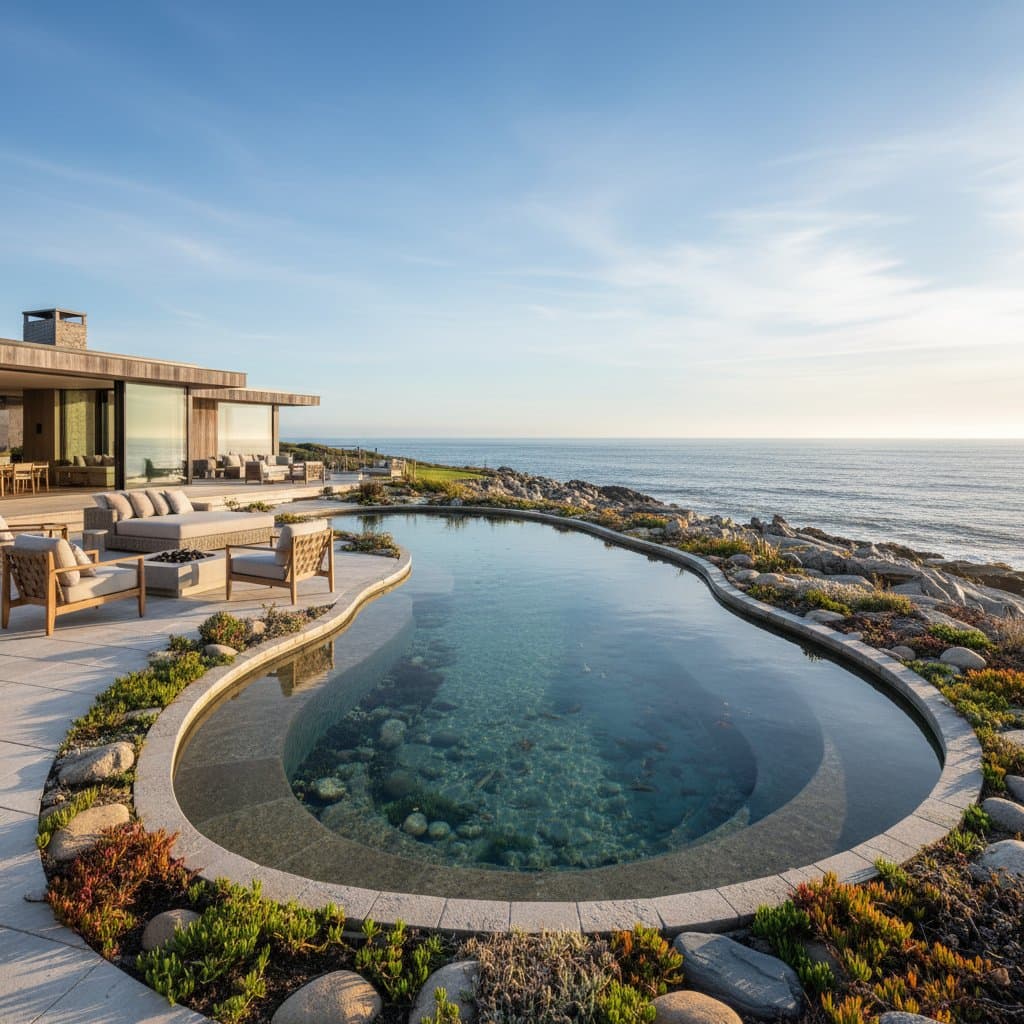
Why Coastal Homes Choose Tidal Pools Over Hot Tubs
Coastal homeowners increasingly select tidal pools as alternatives to traditional hot tubs. These natural water features integrate seamlessly with the surrounding environment, providing a sustainable option for relaxation and recreation. By harnessing the power of tides and natural elements, tidal pools offer a refreshing escape that enhances outdoor living without the environmental drawbacks of conventional spas.
Tidal pools mimic the serene rock pools found along ocean shores, circulating water through gentle tidal movements. Homeowners appreciate how these installations create a harmonious blend of luxury and nature. Unlike hot tubs that require constant heating and chemical treatments, tidal pools rely on the earth's rhythms for a pure, invigorating experience.
What Makes a Tidal Pool Unique
A tidal pool functions as a contained ecosystem, often built with natural stone and integrated filtration systems powered by solar energy or gravity-fed tides. Water enters and exits through controlled sluices, ensuring constant renewal without mechanical pumps. This design not only reduces noise but also fosters a tranquil atmosphere ideal for coastal properties.
Installation typically involves excavating a shallow basin in the backyard or near the shoreline, lining it with permeable materials to support aquatic plants and small fish. Professional landscapers customize the size and depth to fit various spaces, from compact urban lots to expansive estates. The result is a feature that evolves with the seasons, offering visual interest year-round.
Environmental Advantages of Tidal Pools
Tidal pools stand out for their low environmental impact. They eliminate the need for harsh chemicals, using natural filtration through plants, rocks, and beneficial bacteria to keep water clear and safe. This approach supports local biodiversity, as pools often attract birds, insects, and marine life that enhance the garden ecosystem.
In contrast, hot tubs consume significant energy for heating and filtration, contributing to higher carbon footprints. Tidal pools operate passively, drawing on ambient temperatures and tidal flows, which minimizes electricity use. Homeowners report a sense of stewardship, knowing their backyard feature promotes conservation rather than depletion.
- Reduced Water Waste: Tidal systems recycle water efficiently, unlike hot tubs that require frequent draining and refilling.
- Wildlife Habitat: Native plants and gentle currents create safe havens for pollinators and small aquatic species.
- Soil and Erosion Control: Integrated designs help stabilize coastal soils, preventing runoff into nearby waters.
Energy Savings and Long-Term Costs
One primary reason coastal residents opt for tidal pools involves substantial energy savings. Hot tubs demand continuous operation of heaters and pumps, often accounting for a notable portion of household utility bills. Tidal pools, however, maintain comfortable temperatures through natural insulation and solar exposure, slashing operational costs by up to 80 percent.
Initial installation costs for a tidal pool range from $10,000 to $30,000, depending on size and materials, comparable to high-end hot tubs. Over time, the absence of repair needs for complex machinery offsets this investment. Many owners recoup expenses within three to five years through lower energy and maintenance bills.
Consider a typical San Diego coastal home: a 400-square-foot hot tub might add $200 monthly to electric bills during peak use. A similar-sized tidal pool operates on less than $20 per month, primarily for occasional pump checks. This efficiency appeals to environmentally conscious families seeking practical luxury.
Aesthetic and Lifestyle Integration
Tidal pools elevate outdoor aesthetics by complementing the natural coastal palette of blues, grays, and greens. Designers incorporate elements like driftwood benches, native succulents, and pebble pathways to create immersive retreats. These spaces encourage lounging, reading, or family gatherings in a setting that feels like an extension of the beach.
Unlike the stark, mechanical look of hot tubs, tidal pools invite barefoot exploration and sensory engagement. Water temperatures hover between 60 and 80 degrees Fahrenheit, providing a cooling dip on warm days or a soothing soak during milder weather. This versatility suits the variable coastal climate, ensuring the feature remains usable throughout the year.
Homeowners often pair tidal pools with adjacent patios or fire pits for multifunctional entertainment areas. The gentle sound of water movement adds a calming backdrop, reducing stress and promoting mindfulness. Such integrations transform ordinary backyards into personalized oases that reflect the homeowner's connection to the sea.
Health Benefits for Coastal Living
Swimming or wading in tidal pools delivers therapeutic benefits rooted in natural immersion. The mineral-rich water, free from additives, soothes skin conditions and improves circulation through low-impact activity. Exposure to natural sunlight and fresh air boosts vitamin D levels, supporting overall well-being.
Regular use encourages physical activity, from playful splashes for children to meditative floats for adults. Unlike heated hot tubs that can harbor bacteria if not maintained properly, tidal pools' constant renewal keeps water pristine. This purity reassures families, especially those with young children or elderly members.
Experts note that the psychological perks extend to reduced anxiety, as the rhythmic tides promote relaxation similar to ocean therapy. Coastal dwellers find these pools foster a deeper appreciation for their environment, blending wellness with daily life. The outcome is a healthier, more balanced lifestyle attuned to nature's cycles.
Steps to Install a Tidal Pool
Planning a tidal pool begins with assessing your property's topography and water access. Consult local regulations to ensure compliance with coastal zoning laws, particularly regarding water diversion. Engage a certified landscape architect experienced in natural water features to draft blueprints.
- Site Selection: Choose a level area with partial shade to prevent algae overgrowth, ideally near existing drainage.
- Excavation and Lining: Dig the basin to desired depth, then install a durable, eco-friendly liner such as bentonite clay or reinforced concrete.
- Filtration Setup: Incorporate gravel beds, aquatic plants, and inlet/outlet pipes for tidal simulation.
- Landscaping: Add surrounding vegetation and safety features like non-slip edging.
- Testing and Filling: Monitor water flow for a week before full use, adjusting as needed.
Budget for permits and professional labor, which can streamline the process and avoid costly errors. Most installations complete within four to six weeks, allowing homeowners to enjoy their new feature by summer.
Simple Maintenance Routines
Tidal pools require far less upkeep than hot tubs, with routines focused on observation rather than intervention. Weekly checks involve skimming leaves and testing pH levels, which naturally stabilize around 7.0 to 8.0. Seasonal tasks include trimming plants and clearing debris from sluices to maintain flow.
Avoid chemical cleaners; instead, introduce natural helpers like snails or barley straw for algae control. Annual professional inspections ensure structural integrity, especially in salty coastal air. This hands-off approach frees owners to savor the pool rather than service it.
Homeowners appreciate the self-sustaining nature, which aligns with a low-maintenance coastal lifestyle. With proper setup, tidal pools thrive for decades, becoming cherished family heirlooms.
Redefining Coastal Luxury
Tidal pools represent a forward-thinking choice for coastal homes, merging sustainability with sophisticated design. They deliver enduring value through energy savings, health enhancements, and aesthetic appeal that hot tubs simply cannot match. As awareness grows, more homeowners discover the joy of living in sync with the tides.
Investing in a tidal pool means embracing a legacy of natural elegance. This feature not only beautifies your property but also enriches daily life with the essence of the coast. Consider how such an addition could elevate your own outdoor sanctuary.