
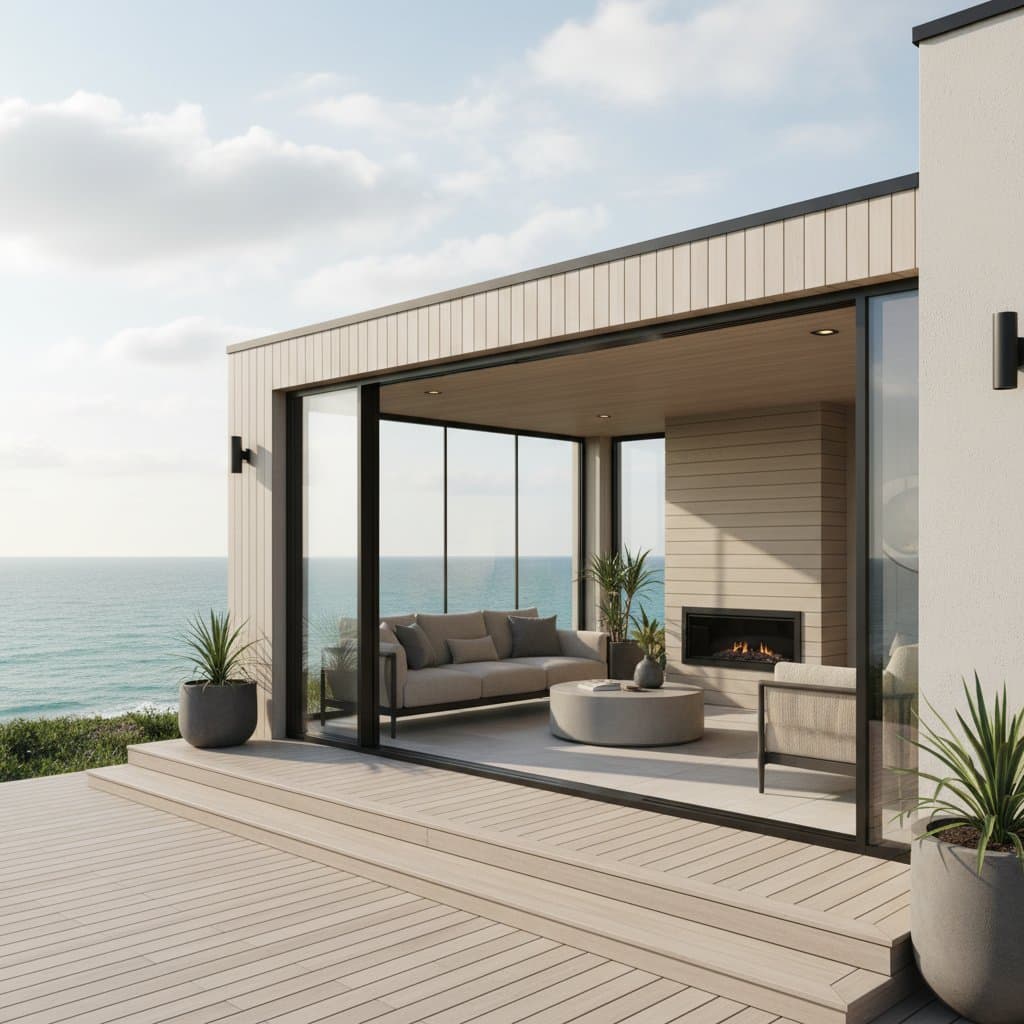
Introduction to Prefab Rooms for Coastal Living
Coastal properties present unique opportunities and challenges for expansion. Homeowners often seek ways to extend living spaces without compromising the natural beauty or structural integrity of their homes. Prefab rooms emerge as a compelling solution, offering modular outdoor structures that integrate seamlessly with oceanfront environments.
These prefabricated additions arrive nearly complete, allowing for quick installation and minimal environmental impact. In regions like San Diego, where salt air and high winds prevail, such rooms provide practical enhancements. This article examines the reasons behind their popularity and practical considerations for implementation.
Advantages in Speed and Efficiency
Traditional construction methods demand extensive on-site labor, often spanning months and exposing projects to weather delays. Prefab rooms shift much of the work to controlled factory settings, resulting in assemblies that complete in weeks rather than seasons.
For coastal residents, this efficiency translates to reduced disruption during peak living months. Imagine transforming a backyard into a functional retreat without prolonged noise or debris. Manufacturers design these units for straightforward transport and erection, often requiring only foundation preparation and utility connections.
The process begins with site assessment, followed by factory production tailored to specifications. Upon delivery, certified installers secure the structure, enabling occupancy shortly thereafter. This streamlined approach suits busy professionals and families who value time.
Durability Tailored to Coastal Conditions
Oceanfront locations expose homes to relentless elements, including corrosive salt spray, humidity, and strong gusts. Prefab rooms incorporate materials engineered for longevity, such as corrosion-resistant aluminum frames and weatherproof composites.
Unlike standard wood builds, these structures feature sealed joints and UV-protected finishes that prevent fading and warping. Impact-resistant glass options safeguard against flying debris during storms. Homeowners report fewer maintenance needs, preserving the investment over decades.
Certifications for wind resistance up to 150 miles per hour ensure compliance with coastal building codes. Integrated drainage systems manage heavy rains, avoiding water damage common in traditional extensions. Such resilience not only protects the addition but also shields the main residence.
Modern Design and Customization Options
Prefab rooms transcend utilitarian purposes, blending contemporary aesthetics with functional versatility. Options range from sleek minimalist enclosures to tropical-inspired pavilions, complementing diverse architectural styles.
Customization allows selection of finishes, from cedar accents to sleek metal panels, ensuring harmony with existing decor. Interior layouts accommodate dining areas, home offices, or wellness retreats, complete with built-in cabinetry and lighting.
Advanced features like retractable screens and energy-efficient insulation enhance usability year-round. Designers collaborate with clients to incorporate smart home integrations, such as automated shading for sun control. This personalization elevates everyday coastal living into a refined experience.
Cost Analysis and Savings Strategies
Initial perceptions may view prefab as premium, yet total costs often undercut traditional builds by 20 to 30 percent. Factory production minimizes labor expenses and material waste, with prices starting around $15,000 for basic 200-square-foot units.
Larger configurations, including premium materials, range from $30,000 to $60,000, depending on size and features. Factor in savings from shorter timelines, which reduce permit fees and temporary housing needs. Long-term benefits include lower energy bills through superior insulation.
To optimize budgets, prioritize essential elements like structural reinforcements over luxury add-ons. Consult local incentives for sustainable builds, which may offset costs. Phased installations allow gradual enhancements without overwhelming finances.
Boosting Property Value and Lifestyle
Investing in prefab rooms enhances marketability in competitive coastal real estate. Appraisers recognize the added square footage and modern amenities, potentially increasing home values by 10 to 15 percent.
These spaces foster outdoor engagement, from al fresco entertaining to serene relaxation spots. Families gain flexible areas for gatherings, while remote workers benefit from dedicated, inspiring environments. The result is a heightened quality of life aligned with coastal allure.
Sustainability plays a role too, as prefab methods use eco-friendly materials and reduce site disturbance. This appeals to environmentally conscious buyers, positioning the property favorably in future sales.
Steps to Integrate Prefab Rooms into Your Coastal Home
Begin by evaluating your property's layout and zoning regulations to identify ideal placement. Engage a reputable prefab specialist for a consultation, providing details on desired size and functionality.
Review material samples and digital renderings to visualize the outcome. Secure necessary permits early to avoid delays. Once installed, maintain the space with routine cleaning to preserve its condition.
This approach ensures a seamless addition that enriches your coastal haven for years to come.