
Understanding Amphibious Foundations
Coastal regions face increasing threats from storm surges and tidal flooding due to climate change. Amphibious foundations address these challenges by designing homes that adapt to water levels. These systems enable structures to elevate and float temporarily, minimizing damage while maintaining stability.
Traditional foundations often fail under water pressure, leading to costly repairs or total loss. In contrast, amphibious approaches use engineered platforms that rise with floods and settle back after waters recede. This adaptability suits areas like San Diego's waterfront neighborhoods, where erosion and inundation risks grow annually.
Core Components of Amphibious Systems
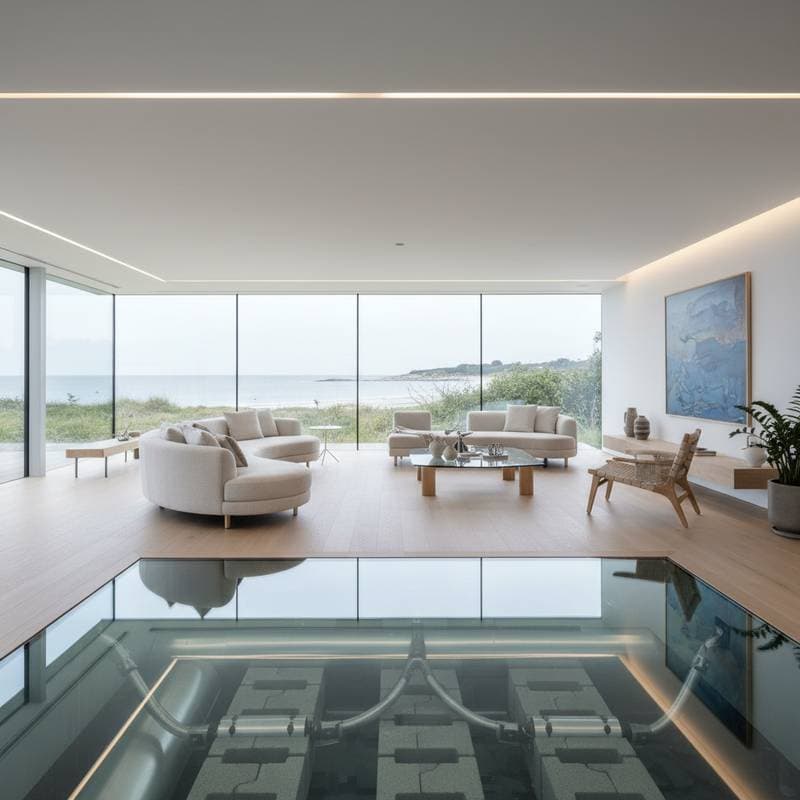
Amphibious foundations rely on several key elements to function effectively. Buoyant materials, such as sealed foam or air-filled chambers, provide the lift needed during inundation. Vertical guide posts, anchored deeply into the ground, allow the structure to move upward without drifting away.
Flexible utility connections prevent strain on plumbing, electrical, and gas lines as the home rises. These connections use articulated joints or slack lines that accommodate vertical motion up to several feet. Durable materials like corrosion-resistant steel and composite pilings ensure longevity in salty, wet environments.
Engineers customize these components based on site-specific factors, including soil type and expected flood heights. For instance, sandy coastal soils require deeper anchors to maintain stability. Testing in simulated flood conditions verifies that the system performs reliably under real-world stresses.
How Amphibious Homes Operate During Floods
In dry conditions, the home sits securely on its foundation, connected to utilities and integrated with the landscape. When floodwaters arrive, buoyancy causes the platform to lift smoothly along guide posts. The structure rises with the water level, avoiding hydrostatic forces that could undermine fixed bases.
Once waters subside, gravity and dampers guide the home back to its original position. Sensors can alert owners to activation, and automated systems secure loose elements beforehand. This process typically completes without manual intervention, reducing risks to residents.
Real-world examples demonstrate this mechanism's success. In the Netherlands, amphibious houses have withstood multiple floods, proving the design's viability. Similar installations in the United States, particularly in Florida and Louisiana, show reduced insurance claims and faster recovery times.
Benefits for Coastal Property Owners
Amphibious foundations offer multiple advantages beyond flood protection. They preserve property values in high-risk zones by demonstrating proactive risk management. Insurance providers often grant discounts for such resilient features, lowering annual premiums significantly.
These systems support aesthetic and functional design flexibility. Homes can incorporate modern architecture while meeting safety standards. Environmentally, they reduce the need for extensive elevating or relocation, minimizing habitat disruption.
Long-term, amphibious designs future-proof investments against escalating climate impacts. Projections indicate that by 2050, many coastal areas will experience routine flooding. Adopting these foundations now positions owners ahead of regulatory changes mandating resilient construction.
Steps to Implement Amphibious Foundations
-
Assess your property's flood risk using local elevation data and historical flood maps. Consult engineers to evaluate soil stability and water table levels.
-
Design the system with certified professionals, incorporating site-specific buoyancy calculations and guide post placements. Ensure compliance with building codes for seismic and wind loads as well.
-
Select materials suited to coastal conditions, prioritizing those with proven saltwater resistance. Budget for initial costs, which range from moderate to high depending on home size.
-
Install during a construction phase or retrofit existing structures. Coordinate with utility providers to upgrade connections for flexibility.
-
Maintain the system through regular inspections of seals, posts, and joints. Train on emergency protocols to handle any activation.
Innovations Shaping Amphibious Design for 2026
Advancements in materials science enhance amphibious efficiency. Lightweight composites reduce the energy required for lifting, while smart sensors integrate with home automation for predictive alerts. Solar-powered dampers and self-sealing chambers add reliability without environmental impact.
Collaborations between architects and climate experts drive hybrid models. These combine amphibious bases with green roofs and permeable landscaping to manage stormwater. Pilot projects in vulnerable U.S. cities test scalable versions for broader adoption.
By 2026, standardized kits may simplify installations, making the technology accessible to more homeowners. Research focuses on cost reductions, aiming to match traditional foundation expenses within a decade.
Securing Waterfront Futures with Resilient Design
Amphibious foundations transform flood vulnerabilities into manageable realities for coastal dwellers. They enable continued enjoyment of waterfront lifestyles without constant worry over rising waters. Investing in this technology safeguards homes, communities, and ecosystems against unpredictable weather patterns.
Property owners who prioritize resilience gain peace of mind and economic advantages. As coastal development evolves, these adaptive structures set a standard for sustainable living. Embracing amphibious solutions ensures that scenic shorelines remain viable habitats for generations.