
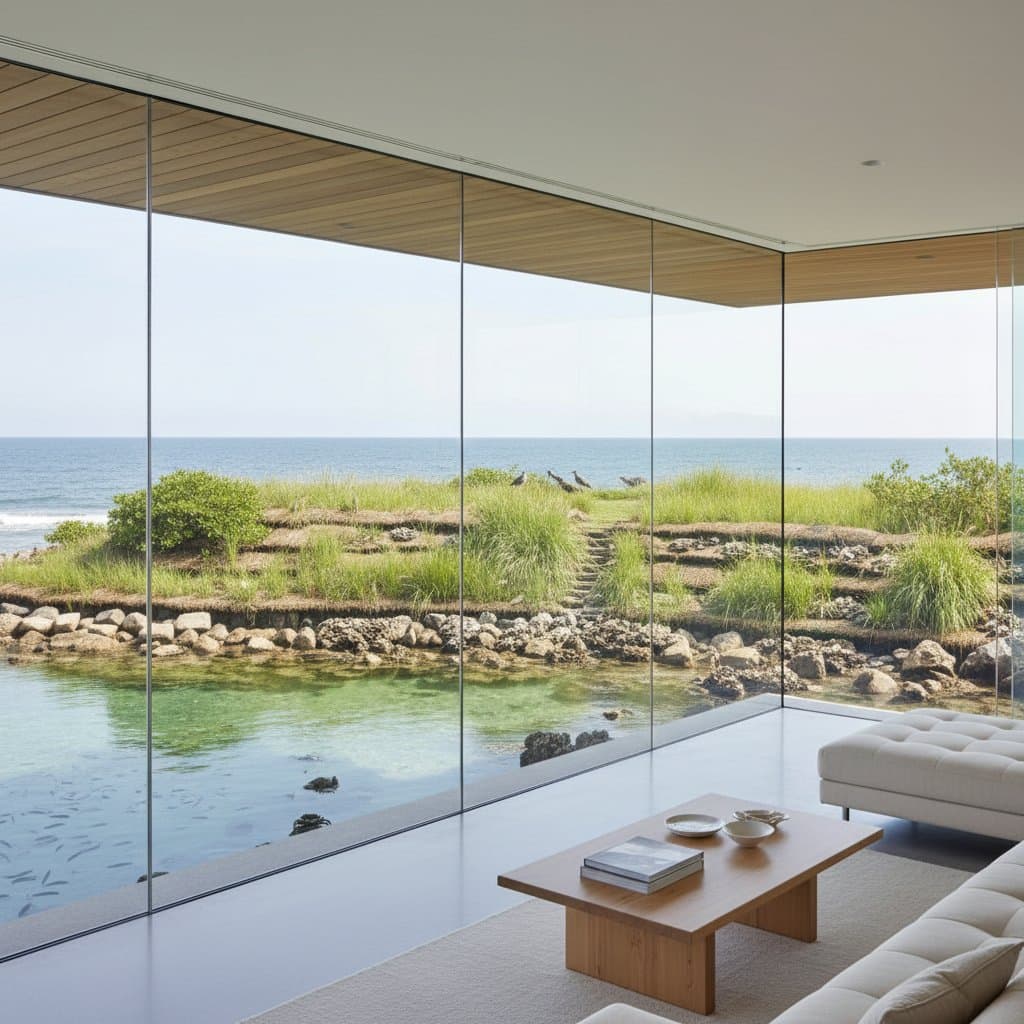
7 Reasons Coastal Homes Swap Concrete for Living Seawalls
Coastal living provides stunning views and serene environments, yet it presents a persistent issue: shoreline erosion. For decades, concrete seawalls served as the primary shield against relentless ocean forces. These structures formed impenetrable barriers, but homeowners increasingly recognized their environmental limitations and unappealing appearance. The rigid surfaces bounced waves back toward the shore, accelerating erosion in adjacent zones and disrupting essential habitats for marine species.
A transformative alternative now emerges along coastlines. Living seawalls integrate ecological principles with robust engineering to safeguard properties while fostering vibrant ecosystems. These structures collaborate with natural processes instead of opposing them, yielding protected shorelines teeming with life. Coastal communities increasingly adopt this approach, and the following reasons explain the shift from concrete to living seawalls.
Eco-Friendly Protection
1. Supporting Marine Life
Living seawalls feature rough, textured surfaces and integrated crevices that replicate rocky intertidal zones. Barnacles, oysters, algae, and juvenile fish quickly colonize these areas, transforming the structure into a functional reef. This development enhances local biodiversity by providing shelter, breeding grounds, and food sources that concrete barriers eliminate.
Homeowners can select materials like modular recycled concrete or porous limestone to accelerate colonization. Over months, these choices draw in filter-feeding organisms that stabilize the wall further. The result supports a balanced marine community resilient to environmental stresses.
[Image: Close-up of living seawall with oyster clusters and seaweed]
2. Improving Water Quality
Traditional seawalls redirect water flow without purification, allowing pollutants to accumulate. Living seawalls, however, host organisms such as oysters and mussels that act as natural filters. Each oyster can process up to 50 gallons of water daily, removing sediments, excess nutrients, and toxins.
This filtration process clarifies surrounding waters and reduces harmful algal blooms. Healthier aquatic environments benefit not only marine life but also nearby beaches used for recreation. Property owners gain a cleaner coastal setting that aligns with regulatory standards for water quality.
3. Reducing Erosion Naturally
Concrete seawalls create turbulent conditions at their foundations, where waves scour the seabed and undermine stability. Living seawalls counteract this through layered designs with deep-rooted vegetation and irregular profiles. Plants like cordgrass and mangroves anchor soil, while the uneven surface dissipates wave energy across a broader area.
Engineers often incorporate geotextile fabrics beneath the structure to prevent initial sediment loss. This combination maintains beach width and prevents the loss of adjacent land. Over time, the seawall contributes to accreted shorelines, expanding usable space rather than diminishing it.
Design and Aesthetic Appeal
4. Blending with the Landscape
Concrete installations often clash with natural surroundings, creating an industrial divide between land and sea. Living seawalls introduce organic elements, including cascading greenery and colorful marine growth, that harmonize with the environment. This integration elevates the visual appeal of waterfront properties and fosters a sense of connection to nature.
To achieve seamless blending, incorporate native plants tolerant of saline conditions alongside stepped rock placements. These features create gentle slopes that ease transitions and invite wildlife. Enhanced aesthetics can increase property marketability, appealing to buyers who prioritize sustainable designs.
[Image: Coastal home with a green, plant-covered living seawall]
5. Low-Maintenance Durability
Appearances suggest fragility, yet living seawalls demonstrate remarkable longevity through hybrid construction. Core elements consist of reinforced concrete or steel frames encased in bio-friendly coatings. As organisms attach and grow, they add protective layers that resist cracking and corrosion.
Routine upkeep focuses on trimming overgrowth and inspecting for invasive species, typically requiring professional visits twice yearly. This contrasts with concrete seawalls, which demand regular patching against saltwater degradation. The self-reinforcing nature ensures the structure strengthens annually, minimizing unexpected costs.
Sustainable Investment
6. Long-Term Cost Savings
Upfront expenses for living seawalls exceed those of basic concrete pours, often by 20 to 30 percent due to specialized materials. However, reduced repair frequency offsets this premium within five to seven years. Stable shorelines avoid the multimillion-dollar damages from storm surges that plague traditional setups.
Insurance providers frequently offer discounts for eco-engineered protections, lowering annual premiums. Energy-efficient designs also cut landscaping needs, as native plants require minimal irrigation. Overall, these factors deliver a strong return on investment for forward-thinking homeowners.
7. Climate-Resilient Design
Rising sea levels and intensified storms challenge fixed defenses, but living seawalls incorporate adaptability. Modular components allow reconfiguration as coastlines shift, with expandable sections accommodating higher tides. Vegetation buffers absorb surge impacts, preventing structural failure during extreme events.
Designers draw from regional data to tailor resilience, such as incorporating wave-attenuating breakwaters in high-energy zones. This forward-looking approach ensures protection endures through decades of climate variability. Homeowners secure their legacies against unpredictable futures.
Building Resilient Coastal Futures
Living seawalls empower homeowners to balance immediate needs with enduring stewardship. These structures deliver unyielding defense alongside ecological restoration, from enriched habitats to fortified shorelines. By filtering waters, stabilizing soils, and embracing natural beauty, they redefine coastal protection.
Each installation advances a broader vision of sustainable living. Property owners contribute to thriving ecosystems that sustain communities for years ahead. Embracing this innovation protects homes while honoring the ocean's vital role.