
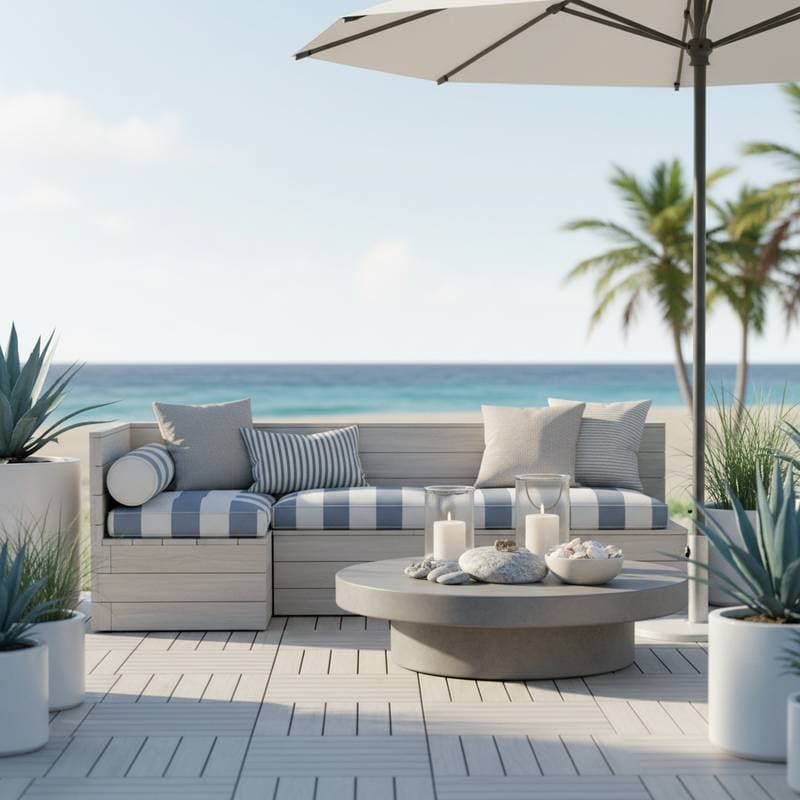
Transform Your Deck into a Coastal Oasis in One Weekend
If you live near the coast, you already know how powerful the ocean breeze and sunlight can feel after a long week indoors. The good news is that you do not have to wait for a beach trip to enjoy that same calming energy. With the right tools, materials, and a bit of planning, you can transform your deck into a coastal oasis in just one weekend.
This guide breaks down the full process from design inspiration and cost planning to installation and finishing touches. You will learn how to choose the best modular deck tiles, create a cohesive DIY patio, and bring a relaxed coastal style to your own backyard without hiring a large crew.
Choosing the Right Modular Deck Tiles
Modular deck tiles are a homeowner’s best friend for fast, clean installations. They click together over existing surfaces, making them ideal for wood or concrete patios that look tired but remain structurally sound.
Types of Modular Deck Tiles
| Tile Material | Average Cost per Sq. Ft. | Durability | Maintenance | Coastal Appeal |
|---|---|---|---|---|
| Composite | 6 to 10 dollars | High | Low | Excellent, resists salt and moisture |
| Natural wood (teak, acacia) | 8 to 15 dollars | Moderate to high | Medium | Warm tone, authentic beach look |
| Stone or porcelain | 10 to 20 dollars | Very high | Low | Sleek, modern coastal feel |
| Recycled plastic | 4 to 9 dollars | Moderate | Very low | Good for sustainable design |
Composite and recycled plastic tiles are best for true coastal climates since they resist warping and fading from salt air. Wood tiles provide natural warmth but need sealing every few seasons. Stone or porcelain tiles work beautifully for high-end patios but require a flat, sturdy base.
Step-by-Step Deck Transformation
You can complete this project in two focused days. Here is how to approach it.
Day 1: Preparation and Layout
- Clear the space. Remove all furniture, planters, and rugs. Sweep or wash the surface to remove debris.
- Inspect the existing deck. Repair any loose boards or cracks. Make sure the surface is dry before installing tiles.
- Plan the layout. Start from one corner and work outward. Dry-fit a few tiles to test alignment.
- Measure and mark. Use chalk lines to keep rows straight, especially if mixing tile colors or patterns.
Day 2: Installation and Styling
- Install the tiles. Snap each piece together, pressing firmly until they lock. Use a rubber mallet for snug joints.
- Cut to fit edges. Trim tiles along railings or obstacles using a utility knife or saw.
- Add trims and transitions. Edge pieces create a finished look and prevent tripping.
- Seal if needed. Apply a thin coat of outdoor sealant to natural wood tiles.
- Style your space. Add furniture, lighting, and accessories that reflect a coastal theme.
Labor Costs and Time Estimates
If you prefer to hire help, a small crew can complete a 200-square-foot tile installation in 6 to 8 hours. Labor costs typically range from 4 to 7 dollars per square foot, depending on local rates and accessibility of your deck.
For a weekend DIY project, plan for 10 to 12 total hours of work, split across two days. Modular tiles are designed for fast installation, so most of your time will go into cleaning and styling rather than construction.
How to Save Money on Your Coastal Deck Transformation
You can achieve a high-end look without overspending by planning smartly.
- Buy in bulk. Modular tiles are cheaper per square foot when purchased in larger packs.
- Reuse furniture. Refinish existing chairs or tables with marine-grade paint instead of buying new.
- Focus on key zones. Tile only the main seating area and use outdoor rugs elsewhere.
- Choose composite tiles. They cost less than natural wood and require minimal upkeep.
- Do your own decor. Collect beach stones, shells, and driftwood for free coastal accents.
Common Mistakes to Avoid
- Skipping surface prep. Dirty or uneven decks prevent tiles from locking properly.
- Ignoring drainage. Make sure water can flow freely beneath tiles to prevent mold.
- Using indoor decor. Regular cushions and fabrics deteriorate quickly outdoors.
- Overcrowding furniture. Leave open circulation space to preserve an airy coastal feeling.
- Neglecting sealing. Wood tiles need protection from moisture and sun exposure.
Frequently Asked Questions About Coastal Deck Transformations
Do I need to remove my old deck boards before installing modular tiles?
Not usually. As long as the boards are secure and level, you can install modular deck tiles directly on top. Just clean thoroughly and repair any damaged areas.
Can modular deck tiles handle coastal moisture and salt exposure?
Yes. Composite and recycled plastic tiles are designed to resist moisture, salt, and UV fading. Wood tiles need occasional sealing to stay durable near the ocean.
Will I need special tools for installation?
No. A rubber mallet, utility knife, and tape measure are usually enough. For stone or porcelain tiles, a small wet saw helps with precise cuts.
Do I need a permit for this type of deck update?
Surface-level tile installations typically do not require permits. If you modify railings, stairs, or load-bearing structures, contact your local building office for guidance.
How long do modular deck tiles last?
Composite and stone tiles can last 15 to 20 years with minimal maintenance. Wood tiles last 8 to 12 years if properly sealed and cared for.
Can I install these tiles over concrete or pavers?
Yes. Modular tiles work well over concrete patios or paver bases as long as the surface is stable and drains properly.
What adds the most value to a coastal deck?
Durable materials, consistent design, and outdoor lighting often provide the best return on investment. Buyers appreciate low-maintenance features and cohesive style.
Making It Happen
A coastal deck transformation does not have to be complicated or expensive. With modular deck tiles, you can refresh your outdoor space in a single weekend while controlling costs and creativity.
By investing in quality materials and adding your personal style, you will create an inviting retreat that feels both luxurious and comfortable. Whether you are sipping coffee at sunrise or hosting friends at sunset, your new coastal oasis will become an everyday escape right at home.