
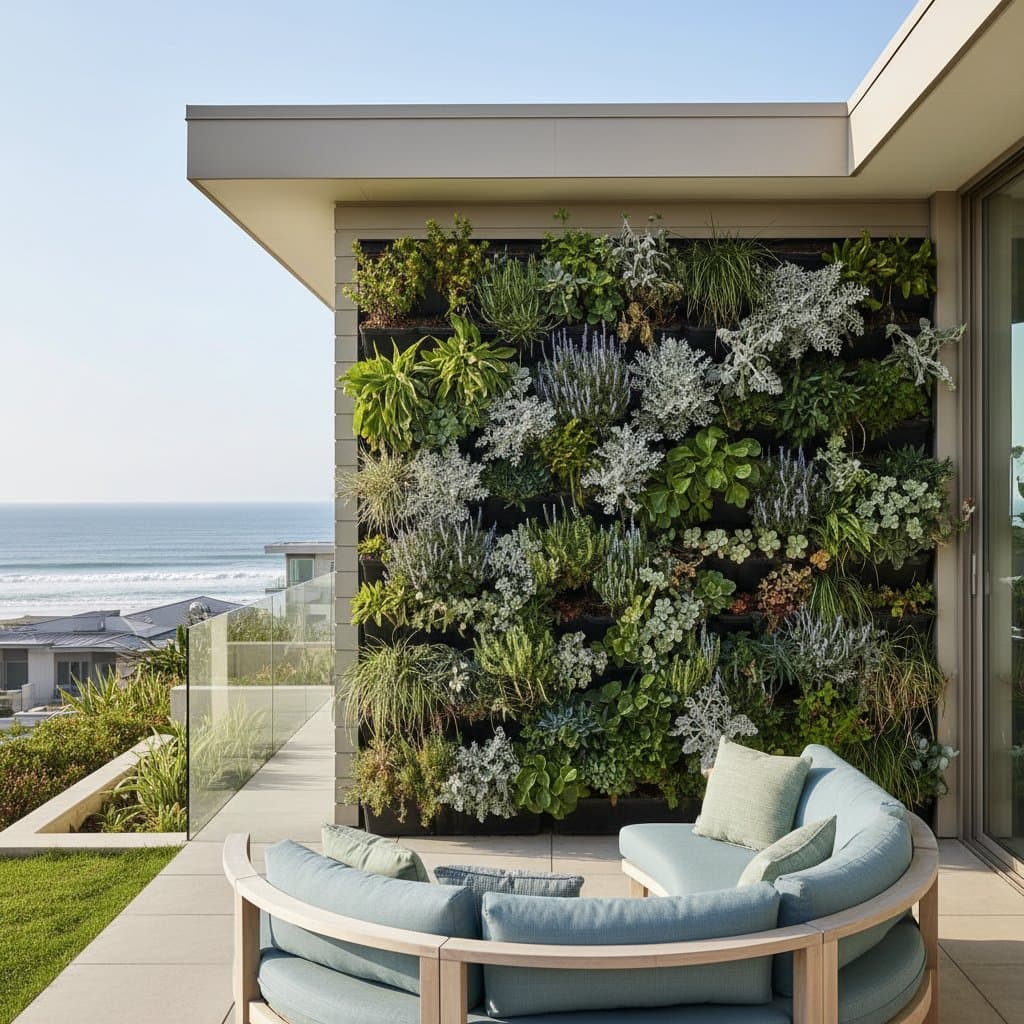
Why Coastal Homes Adopt Vertical Living Walls
For many coastal homeowners, creating a comfortable, beautiful, and sustainable space requires innovative ways to integrate indoor living with the surrounding natural environment. Vertical living walls emerge as one of the most compelling and environmentally responsible solutions to achieve this integration. These verdant, plant-covered structures appear on patios, balconies, and interior walls of coastal residences, introducing lush greenery into confined areas, purifying the air, and fostering a deeper connection to nature within daily living spaces.
This guide examines why vertical living walls define contemporary coastal home design, highlights their key advantages, and provides practical steps for planning and maintaining one in your own property.
The Growing Appeal of Vertical Living Walls
Coastal properties present distinct challenges, including restricted outdoor areas, saline air, and elevated humidity levels. Traditional horizontal gardens prove challenging to sustain under these conditions, rendering vertical gardens an ideal alternative. Homeowners gain the ability to cultivate abundant vegetation without relying on expansive ground surfaces, while simultaneously safeguarding sensitive plants from intense coastal exposures.
A Perfect Fit for Compact Coastal Spaces
Numerous coastal lots feature tight configurations or proximity to neighboring structures. Vertical living walls enable the development of vibrant gardens in such constrained environments by leveraging upright surfaces like fences, exterior walls, or balcony railings. This approach converts underutilized vertical planes into productive, aesthetically compelling features that enhance the overall landscape.
Supporting Sustainable Coastal Living
Water conservation holds particular importance in coastal regions, where resource management gains increasing urgency. Vertical living walls incorporate drip irrigation mechanisms and automated watering technologies that optimize usage and curtail excess. Certain configurations harvest rainwater for recirculation, promoting a reduced environmental footprint and easing ongoing upkeep responsibilities.
The Benefits of Vertical Living Walls for Coastal Homes
Beyond their visual allure, vertical gardens provide tangible advantages that elevate the quality of the living environment and contribute positively to the local ecology.
Improved Air Quality and Comfort
Vegetation naturally absorbs atmospheric pollutants and generates oxygen. In coastal settings where ventilation through open windows prevails, these walls maintain superior indoor air purity. Additionally, they function as organic insulators, moderating temperature fluctuations and humidity to foster a more stable and pleasant interior climate.
Protection from the Elements
Positioned on outer walls, vertical gardens form a protective layer against solar radiation, gusty winds, and salt-laden air. The foliage serves as a dynamic shield, diminishing heat buildup and preserving exterior surfaces such as siding or coatings from deterioration caused by relentless weather.
Enhanced Privacy and Acoustic Comfort
Thick plant arrangements mitigate external noises and establish boundaries from adjacent properties. A verdant wall along a balcony or terrace not only dampens urban sounds or oceanic surges but also cultivates a serene, private haven ideal for repose and reflection.
How to Plan a Vertical Living Wall
Effective planning precedes the installation of a living wall, accounting for coastal specifics in plant choices, material selections, and watering infrastructure.
Step 1: Choose the Right Location
Select a position that aligns with the light requirements of your selected flora. Walls oriented southward or westward deliver ample illumination, though shade-enduring varieties may prove necessary to avert scorching. Sites benefiting from gentle breezes facilitate drying between irrigations, thereby discouraging mold development.
Step 2: Select Salt-Resistant Plants
Saline coastal breezes necessitate resilient species. Recommended selections encompass:
- Succulents, including sedum varieties and echeveria rosettes, which store water efficiently
- Herbs such as rosemary bushes and thyme clusters, valued for aroma and culinary use
- Ferns adapted to dappled light, offering feathery textures
- Indigenous coastal grasses that provide movement and durability against winds
Combining diverse species ensures dynamic visuals and sustained vibrancy across seasons. Consider layering low-growing ground covers with trailing vines for fuller coverage.
Step 3: Install a Sturdy Support and Irrigation System
The foundational framework must securely accommodate the weight of vegetation and substrate. Options range from corrosion-resistant stainless steel grids to prefabricated modular panels or comprehensive vertical garden assemblies. Integrate a drip irrigation network to deliver precise hydration, conserving water through targeted application at root levels.
Step 4: Monitor and Maintain Regularly
Although designed for minimal intervention, living walls demand periodic oversight. Inspect irrigation components for blockages, prune excessive growth, and substitute underperforming plants promptly. Apply diluted fertilizers seasonally and scan for insect activity or disease indicators. Consistent vigilance ensures longevity and vitality.
Design Inspiration for Coastal Living Walls
Vertical gardens adapt seamlessly to diverse architectural styles, from minimalist contemporary dwellings to casual seaside bungalows.
Natural Textures and Soft Color Palettes
Blend verdant hues with subtle accents in silver, azure, or lilac to echo marine and celestial influences. Incorporate elements like weathered driftwood frames or stone-embedded bases to amplify the inherent coastal motif, creating harmonious extensions of the seascape.
Indoor Green Features
Incorporating nature indoors represents a prominent trend in residential design. Interior vertical walls in areas like kitchens, restrooms, or foyers enhance air filtration and evoke tranquil, wellness-oriented atmospheres. Opt for shade-loving options such as pothos vines or philodendron leaves, which thrive under artificial lighting.
Outdoor Entertainment Spaces
A vertical garden functions as an organic scenery enhancer for al fresco dining zones or culinary exteriors. Embed soft LED illuminations or compact fountains to elevate the sensory experience, transforming evening social occasions into immersive, nature-infused events.
Frequently Asked Questions
What is a vertical living wall?
A vertical living wall constitutes a framework enveloped in vegetation, cultivated within a tailored apparatus affixed to a vertical plane or freestanding support. Suitable for indoor or outdoor applications, it often integrates automated watering and runoff management.
How much does a living wall cost?
Expenses fluctuate according to dimensions, components, and botanical selections. A modest self-assembled unit may range from two hundred to five hundred dollars, whereas expansive bespoke projects could exceed three thousand dollars. Regional labor rates, material quality, and technical sophistication influence final pricing.
Are vertical gardens difficult to maintain?
Regular attention proves essential, yet contemporary innovations streamline the process. Automated hydration and detachable modules facilitate efficient nourishment, nutrient application, and plant renewal. Selecting robust, saline-adapted varieties minimizes labor demands further.
Can I install a vertical garden myself?
Affirmative, numerous residents construct compact setups using retail kits from horticultural suppliers. For substantial or intricate configurations, engaging specialists guarantees adequate reinforcement and fluid delivery systems.
What plants work best in coastal environments?
Succulents, local grasses, ferns, and herbs that endure salinity and breezes excel in these settings. Steer clear of moisture-dependent or sun-sensitive specimens to ensure success.
How long does a living wall last?
With diligent care and periodic replacements, a robustly constructed living wall endures for over a decade. Essential elements include reliable moisture provision, suitable illumination, and resilient building materials.
Does a living wall add value to a home?
A expertly crafted living wall boosts exterior attractiveness and expands appealing leisure areas. Although quantifiable appreciation varies by real estate dynamics, prospective purchasers frequently value the ecological merits and aesthetic enhancements.
Sustaining Coastal Harmony Through Vertical Gardens
Integrating a vertical living wall into your coastal residence not only resolves spatial constraints but also enriches daily life with natural vitality. These installations promote ecological balance, elevate design sophistication, and deliver enduring practical rewards. Embrace this approach to cultivate a resilient, inviting haven attuned to the rhythms of seaside existence.