
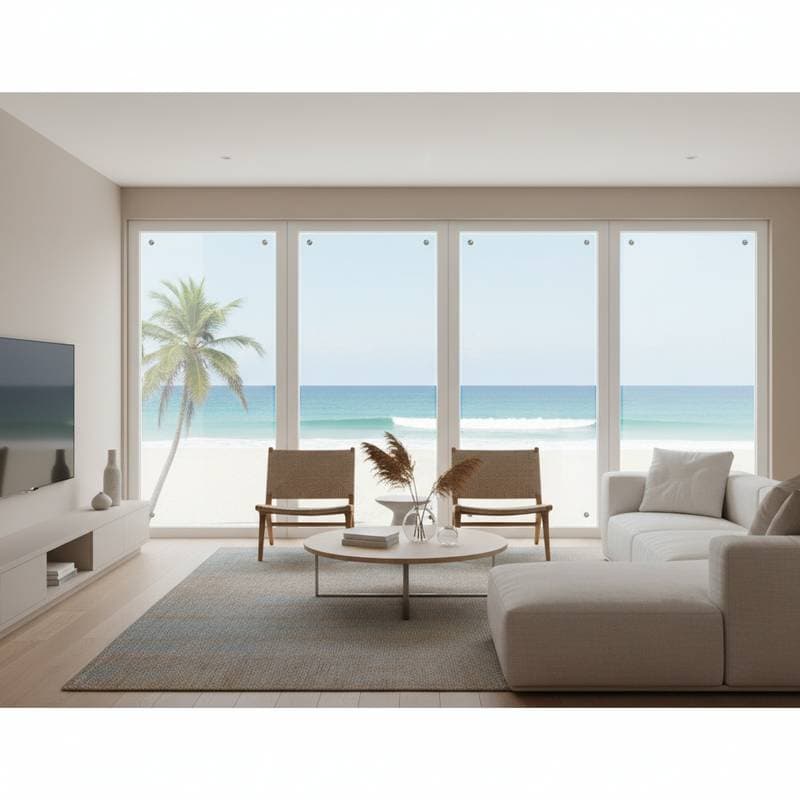
Safeguard Coastal Homes with Unobstructed Protection
Residing along the coastline delivers unparalleled scenic splendor, yet it demands robust defenses against intense storms and gale-force winds. Homeowners often face the dilemma of hurricane safeguards that obscure daylight or impair panoramas. Transparent storm panels emerge as an innovative remedy, securing residences while upholding the luminous, expansive essence of seaside existence. This resource details the selection, deployment, and upkeep of transparent storm panels for coastal windows, enabling sustained security and illumination.
Advantages of Opting for Transparent Storm Panels
Conventional hurricane shutters or plywood coverings render interiors dim and enclosed. Transparent storm panels, crafted from impact-resistant substances such as polycarbonate or acrylic, present a superior, visually pleasing alternative. These panels permit natural light to filter through seamlessly during protective deployment.
Principal Advantages
- Sunlight Permeability: Panels facilitate the entry of daylight, preserving interior brightness amid storm preparations.
- Resilience: Premium transparent panels endure projectile impacts and powerful blasts without fracturing.
- Visual Harmony: Their clarity integrates seamlessly with a home's design, avoiding the obstructive appearance of opaque barriers.
- Maneuverability: Lighter than metallic alternatives, these panels simplify the process of positioning or retracting them.
Mechanics of Transparent Storm Panels
These panels affix over windows and entryways, forming a formidable shield against wind pressures and debris. Engineered for uniform force dispersion, they minimize risks of glass shattering or moisture penetration.
Prevalent Materials
- Polycarbonate: Renowned for superior tensile strength and pliability, this option defies fractures and indentations effectively.
- Acrylic: Provides superior optical purity, although it proves more susceptible to surface abrasions compared to polycarbonate.
- Hybrid Composites: Merge multiple substances to enhance shock absorption and ultraviolet shielding.
When selecting materials, consider local wind ratings; for instance, panels rated for 150 mph winds suit most coastal zones. Evaluate thickness options, typically ranging from 0.25 to 0.5 inches, to match specific vulnerability levels.
Installation Procedures
Proper setup ensures maximum efficacy. Begin by evaluating your home's exposure to determine panel dimensions and quantities.
- Evaluate Window Dimensions: Conduct precise measurements of each opening, accounting for a 1-2 inch overlap on all sides to seal gaps.
- Choose Fastening Mechanisms: Opt for track-based systems for sliding installations, bolt anchors for permanent fixtures, or clip mechanisms for temporary use, aligned with your structure's composition.
- Prepare Anchor Sites: Drill holes with a masonry bit for concrete frames or wood screws for softer materials, spacing anchors every 12-18 inches.
- Deploy Prior to Peak Season: Assemble kits in advance, allowing rapid response to forecasts within hours.
- Organize Storage: Label panels with corresponding window identifiers and store them horizontally in a ventilated, sheltered space to avert distortion.
For optimal results, verify compliance with regional building codes, such as those from the International Hurricane Protection Association. If uncertainties arise, consult a certified installer to assess structural integrity.
Upkeep Strategies for Longevity
Regular care preserves both functionality and appearance. Inspect panels annually for micro-cracks or coating degradation before storm season commences.
Clean surfaces using a solution of lukewarm water and gentle detergent, applied with a microfiber cloth to eliminate salt residue and grime. Steer clear of harsh chemicals or stiff brushes that could compromise transparency. After each use, rinse thoroughly and dry to prevent mineral buildup. For storage, utilize protective sleeves to shield against environmental elements, ensuring readiness for future deployments.
Common Inquiries
Do transparent storm panels match the robustness of metal shutters?
Indeed, superior polycarbonate or acrylic variants attain or surpass prevailing storm resistance benchmarks when affixed correctly, often certified to ASTM standards.
Might clear panels discolor to yellow with age?
Contemporary ultraviolet-inhibiting layers mitigate fading. Selecting top-tier panels guarantees sustained transparency for decades.
Is self-installation feasible?
Certain systems accommodate do-it-yourself approaches with included guides, yet engaging professionals assures adherence to regulations and enhanced durability.
What is the price range for transparent storm panels?
Costs vary from $10 to $25 per square foot, influenced by dimensions, composition, and attachment methods. Obtain several estimates and weigh durability against initial outlay for optimal value.
Do transparent panels impact energy conservation?
Post-storm removal negates any influence on efficiency. Certain users retain them year-round for supplementary thermal regulation, potentially lowering cooling demands in sunny climates.
Are they adaptable to diverse coastal dwellings?
Absolutely, customization accommodates irregular shapes and sizes, suiting everything from modern condos to historic bungalows.
Fortify Your Seaside Sanctuary Seasonally
Transparent storm panels empower homeowners to defend against tempests without forfeiting the radiant light and vistas defining coastal allure. Through judicious selection of resilient materials, meticulous installation, and diligent maintenance, confront inclement weather assuredly. Embrace this blend of innovation and practicality to sustain your haven's charm amid nature's fury.