
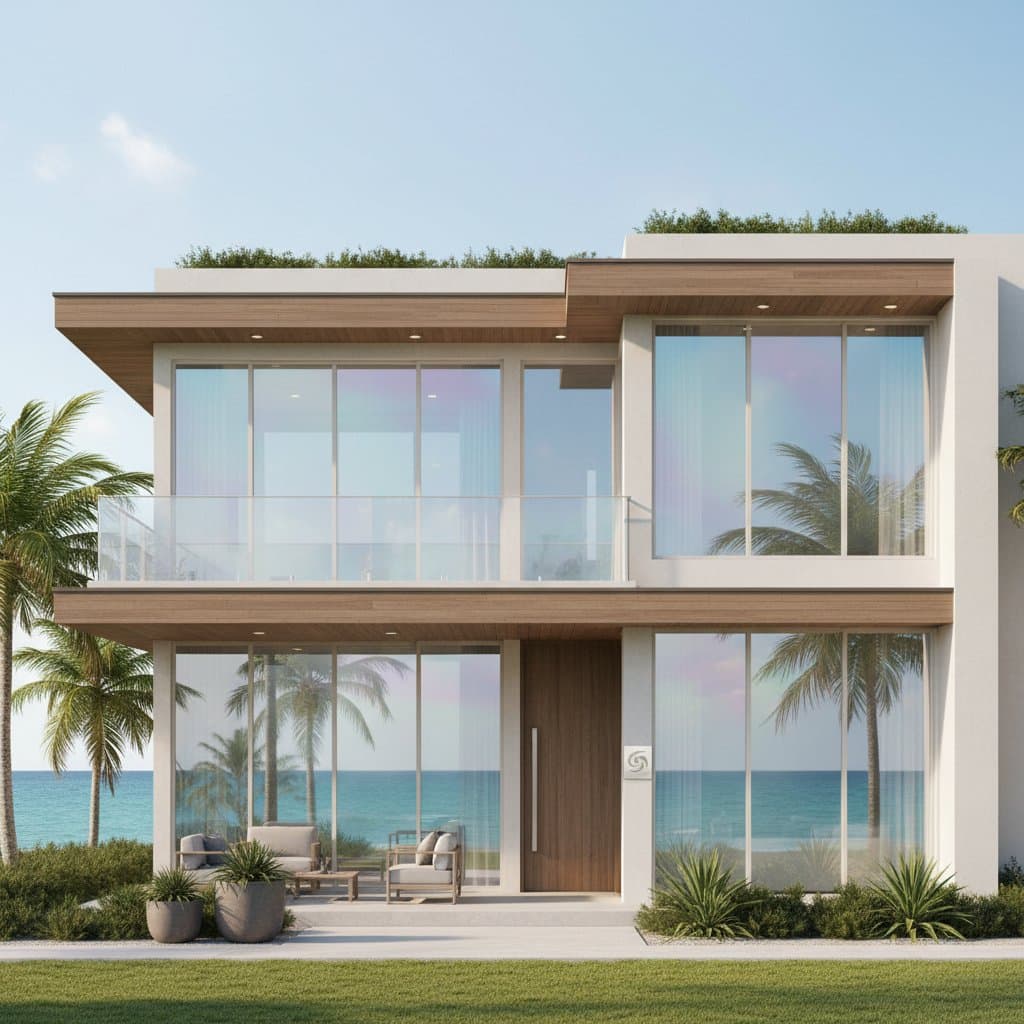
Introduction to Transparent Storm Panels
Transparent storm panels represent a significant advancement in hurricane protection for coastal homes. These innovative barriers provide robust defense against high winds and flying debris while allowing natural light to filter through. Homeowners in hurricane-prone areas increasingly choose them over traditional shutters to maintain visibility and comfort during storm preparations.
By 2026, industry experts predict that transparent panels will dominate the market, replacing bulky metal or wooden alternatives. Their appeal lies in combining safety with aesthetic and functional benefits. This guide explores the costs, types, installation processes, and long-term advantages to help you decide if they suit your property.
Understanding Costs
The price of transparent storm panels typically ranges from eight to thirty dollars per square foot, depending on material quality, customization, and supplier. Basic acrylic options start at the lower end, while premium polycarbonate systems with enhanced UV protection and impact resistance command higher prices. Additional expenses include tracks, hardware, and potential delivery fees.
Factors influencing cost include window size and shape. Larger or irregularly shaped openings require custom fabrication, which increases expenses by ten to twenty percent. Bulk purchases for multiple windows often yield discounts, reducing the overall investment. Compare quotes from multiple suppliers to identify value-driven options that meet local building codes.
Types of Transparent Storm Panels
Several materials define the types of transparent storm panels available today. Polycarbonate panels lead in popularity due to their superior strength and clarity. This thermoplastic withstands impacts up to 200 times greater than glass without shattering, making it ideal for severe weather.
Acrylic panels offer a more budget-friendly alternative with good transparency and lighter weight. They suit moderate storm risks but may yellow over time with prolonged sun exposure. Laminated glass panels, though less common, provide permanent installation options for those seeking seamless integration with existing windows.
Removable versus permanent systems further categorize these panels. Removable tracks allow seasonal deployment, preserving ventilation in non-storm periods. Permanent frames embed directly into the structure for effortless readiness but may alter the home's appearance year-round.
DIY Installation Guide
Individuals comfortable with basic tools can install removable track systems independently. Essential equipment includes a drill, level, measuring tape, and safety gear. The process emphasizes precise alignment with the home's structural framing to ensure stability during high winds.
Follow these steps for successful installation:
-
Measure each window opening accurately and order panels precut to those dimensions.
-
Use manufacturer-provided templates to mark mounting points on the frame.
-
Drill pilot holes into wood frames or masonry, taking care to avoid electrical wiring.
-
Secure the track system with appropriate anchors and screws rated for outdoor use.
-
Insert the panels by sliding or bolting them into the tracks, verifying level placement.
Wear safety glasses and gloves throughout to protect against debris and sharp edges. Refrain from overtightening fasteners, as this risks cracking the panel material. Test the setup by applying gentle pressure to confirm secure attachment.
Professional Installation Options
For complex installations, such as those on multi-story structures or with non-standard windows, professional assistance proves invaluable. Licensed contractors manage critical aspects like wind-load assessments, structural reinforcements, and adherence to local regulations. They also navigate permit requirements, sparing homeowners administrative burdens.
Labor costs generally fall between two thousand and four thousand dollars, varying by project scope and location. This investment includes comprehensive warranties, often spanning ten years or more, and guarantees compliance with stringent coastal codes. Obtain estimates from certified professionals to compare services and ensure quality workmanship.
Maintenance Practices
Transparent storm panels require little ongoing attention to maintain their performance over time. Simple routines preserve their transparency and durability, ensuring they function effectively season after season.
Implement these care practices:
-
Rinse panels with a garden hose to eliminate salt, dust, and pollen accumulation.
-
Clean surfaces using a soft microfiber cloth and mild, non-abrasive soap solution.
-
Store unused panels horizontally or in padded sleeves to prevent warping or scratches.
-
Examine tracks, bolts, and seals annually before storm season for signs of wear or loosening.
Steer clear of abrasive tools, harsh chemicals, or high-pressure washers, which can compromise the protective coatings. With diligent maintenance, polycarbonate panels endure for twenty years or longer, surpassing the lifespan of many conventional shutter materials.
Environmental and Aesthetic Advantages
Unlike opaque shutters that block light and create a fortress-like atmosphere, transparent panels keep interiors bright and inviting. Natural illumination reduces reliance on electric lights during daylight hours, contributing to energy savings. This feature enhances daily living even as storms loom.
Environmentally, these panels support sustainability goals. Their lightweight composition lowers fuel consumption in production and transport compared to heavier metal systems. Most modern variants consist of recyclable materials, minimizing environmental impact at disposal. Opting for eco-certified suppliers further aligns installations with green building practices.
Aesthetically, transparent panels integrate smoothly with contemporary and coastal architectures. They preserve outward views and curb appeal, avoiding the visual clutter of traditional protections. This balance of form and function elevates property value in competitive real estate markets.
Frequently Asked Questions
Are transparent panels as strong as metal shutters?
Polycarbonate variants meet or surpass impact standards for hurricane protection. They deflect debris effectively while remaining lightweight for easier handling.
Do transparent panels require permits?
Coastal authorities often mandate permits for such systems. Consult your local building department early to confirm requirements and avoid delays.
Can transparent panels remain installed year-round?
Permanent setups allow continuous placement, but removable options improve air circulation in fair weather. Regular cleaning prevents corrosion from salt exposure if left in place.
How do they compare to impact-resistant windows?
These panels deliver comparable protection at one-third to one-fifth the cost of impact glass. However, they necessitate pre-storm deployment, unlike fixed windows.
What climates benefit most from transparent panels?
They excel in hurricane zones with frequent high winds and debris risks. Inland areas with milder conditions may find simpler protections sufficient.
Steps to Secure Your Home Today
Evaluate your windows and local weather patterns to determine the right transparent panel system. Contact suppliers for material samples and cost breakdowns tailored to your needs. Schedule installations well before peak storm season to safeguard your property without disruption. This proactive approach not only protects your investment but also enhances your lifestyle in coastal living.