
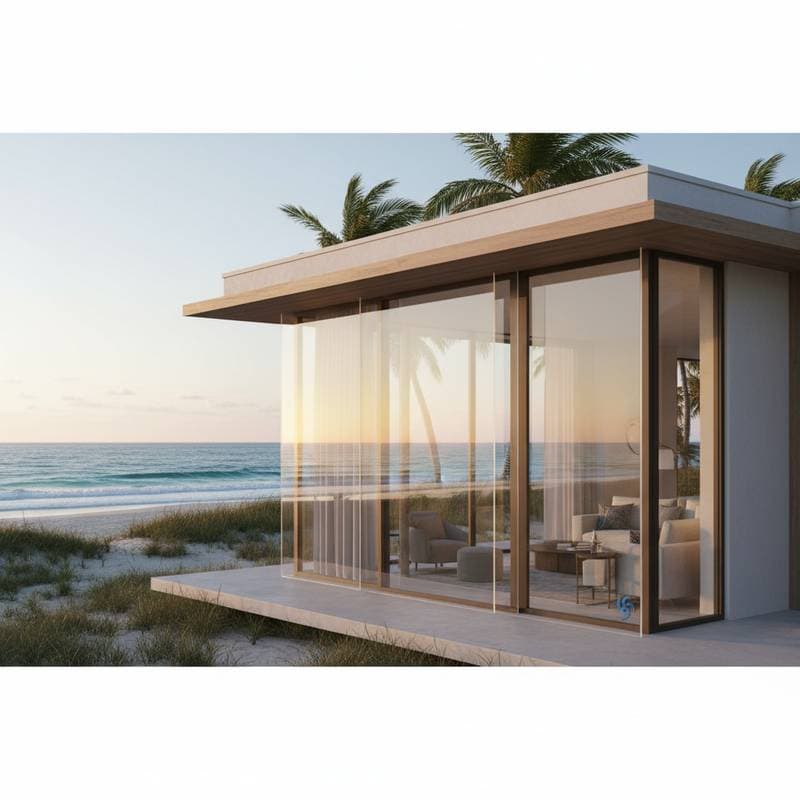
Transparent Shutters Revolutionize Coastal Protection
Homeowners in coastal regions face a constant challenge: how to protect their windows and doors from hurricane-force winds without sacrificing natural light and curb appeal. Traditional metal panels or plywood boards can keep a home safe, but they block out sunlight and make the property look like a fortress. Transparent shutters change that equation. These modern solutions combine strength, safety, and style in a way that fits both coastal resilience and everyday living.
Average Cost of Transparent Shutters
The cost of transparent hurricane shutters typically ranges from $18 to $35 per square foot, with a national average around $26 per square foot installed. For a medium-sized home with about 200 square feet of window space, that equals $3,600 to $7,000 in total project cost. Prices vary depending on the type of material, installation complexity, and whether you choose removable panels or permanently mounted systems.
Cost by Project Size
| Project Scope | Window Area | Estimated Cost Range | Typical Installation Type |
|---|---|---|---|
| Small (condo or apartment) | 50–100 sq. ft. | $900–$3,000 | Removable panels |
| Mid-range (single-family home) | 150–250 sq. ft. | $3,000–$7,000 | Track-mounted shutters |
| Large (multi-story or luxury home) | 300+ sq. ft. | $8,000–$12,000+ | Permanent or motorized systems |
Transparent shutters are often installed on both windows and glass doors, so homeowners should assess every opening exposed to strong winds.
Cost by Material Type
Transparent shutters are primarily made from polycarbonate or acrylic materials, each with different benefits and price points.
| Material | Cost per Sq. Ft. | Durability | UV Resistance | Clarity | Typical Use |
|---|---|---|---|---|---|
| Polycarbonate | $20–$35 | Excellent | High | Very clear | Long-term, reusable systems |
| Acrylic | $15–$25 | Moderate | Medium | Clear | Short-term or removable panels |
Polycarbonate shutters dominate the market because they are nearly unbreakable, lightweight, and resistant to yellowing. Acrylic options cost less upfront but scratch more easily and may discolor over time.
Labor Costs Explained
Labor accounts for 30% to 45% of the total project cost. Professional installers usually charge $50 to $75 per hour, depending on complexity and accessibility. A standard home installation takes about 8 to 16 labor hours, including measuring, track mounting, and securing the panels. Homes with irregular window shapes or multi-story access points require additional time and hardware, increasing total costs.
Factors That Influence the Total Cost
Several variables affect the final price of transparent shutters:
- Home size and window count
- Material thickness (measured in millimeters)
- Mounting system type (track, bolt-on, or roll-up)
- Custom cutting or shaped panels
- Local building codes and permit fees
- Coastal exposure and wind rating requirements
- Optional upgrades such as UV coatings or tinted finishes
Understanding these factors helps you create a more accurate budget and prevents last-minute surprises during installation.
Advantages of Transparent Shutters
Transparent shutters offer several benefits that extend beyond storm safety:
- Continuous natural light even when the shutters are closed
- Enhanced aesthetics since the panels are virtually invisible
- Permanent protection without removing or reinstalling before each storm
- Improved property value through modern, low-maintenance design
- Energy efficiency when combined with UV-blocking coatings
These advantages make transparent shutters particularly appealing for coastal homeowners who want year-round functionality without compromising style.
How to Save Money on Transparent Shutters
You can protect your home effectively while keeping costs under control by following a few smart strategies:
- Combine materials. Use polycarbonate on large or high-impact windows and acrylic on smaller openings.
- Choose removable systems. Track-mounted removable panels cost less than motorized or roll-up models.
- Measure accurately. Incorrect dimensions lead to costly reorders or wasted material.
- Order during off-season months. Installation demand drops outside hurricane season, which can lower labor rates.
- Bundle projects. Installing shutters along with new windows or doors can reduce labor overlap.
- Maintain regularly. Cleaning and storing panels properly extends their lifespan and prevents expensive replacements.
DIY vs. Hiring a Professional
DIY Installation
- Estimated Cost: $15–$25 per sq. ft. for materials only
- Skill Level: Intermediate to advanced
- Pros: Lower cost, flexible schedule, sense of accomplishment
- Cons: Risk of improper sealing or mounting, no professional warranty
Professional Installation
- Estimated Cost: $25–$40 per sq. ft. including labor
- Pros: Certified installation, guaranteed compliance with local codes, faster completion
- Cons: Higher upfront cost, scheduling lead time
If you have strong carpentry skills and access to proper tools, smaller removable panels can be a manageable DIY project. For large or permanent installations, hiring a licensed contractor ensures the shutters meet certified wind-load requirements.
Common Mistakes to Avoid
- Ignoring local code compliance. Every coastal zone has specific wind and impact standards your shutters must meet.
- Choosing the wrong material thickness. Thin panels may reduce cost but fail under severe pressure.
- Skipping professional inspection. Always have the tracks and fasteners checked after installation.
- Overlooking UV protection. Without coatings, even clear shutters may yellow over time.
- Improper storage. Stacking panels without protection leads to scratching and reduced visibility.
Avoiding these pitfalls will help you get maximum protection and longevity from your investment.
Frequently Asked Questions About Transparent Shutters
Do transparent shutters meet hurricane protection standards?
Yes, impact-rated polycarbonate shutters meet or exceed the same standards as aluminum or steel panels when properly installed. Always verify that the product carries an approved rating for your region.
How long do transparent shutters last?
High-quality polycarbonate shutters can last 15 to 20 years or more with minimal maintenance. Regular cleaning and storage in a dry, shaded location extend their clarity and performance.
Do I need a permit to install transparent shutters?
In most coastal communities, you do need a building permit for hurricane protection systems. The process ensures your installation meets local wind-load and anchoring requirements.
Can I see clearly through the shutters during a storm?
Yes. One of the main benefits is unobstructed visibility. You can monitor outside conditions safely without opening windows or doors.
Are transparent shutters energy efficient?
When combined with UV-resistant coatings, these shutters can reduce heat gain and protect interior furnishings from fading, improving overall energy efficiency.
Can they be used year-round?
Absolutely. Many homeowners leave transparent shutters in place year-round as extra insulation and security, since they do not block light or views.
Maintaining Your Investment
Regular maintenance ensures transparent shutters perform optimally for years. Clean panels with mild soap and water every few months to remove salt buildup and debris, avoiding abrasive cleaners that could scratch the surface. Inspect tracks and hardware annually for corrosion, especially in salty coastal air, and lubricate moving parts with silicone-based spray. Store removable panels upright in a garage or shed during non-storm periods to prevent warping or discoloration. These steps preserve clarity, strength, and functionality, maximizing your investment in coastal protection.