
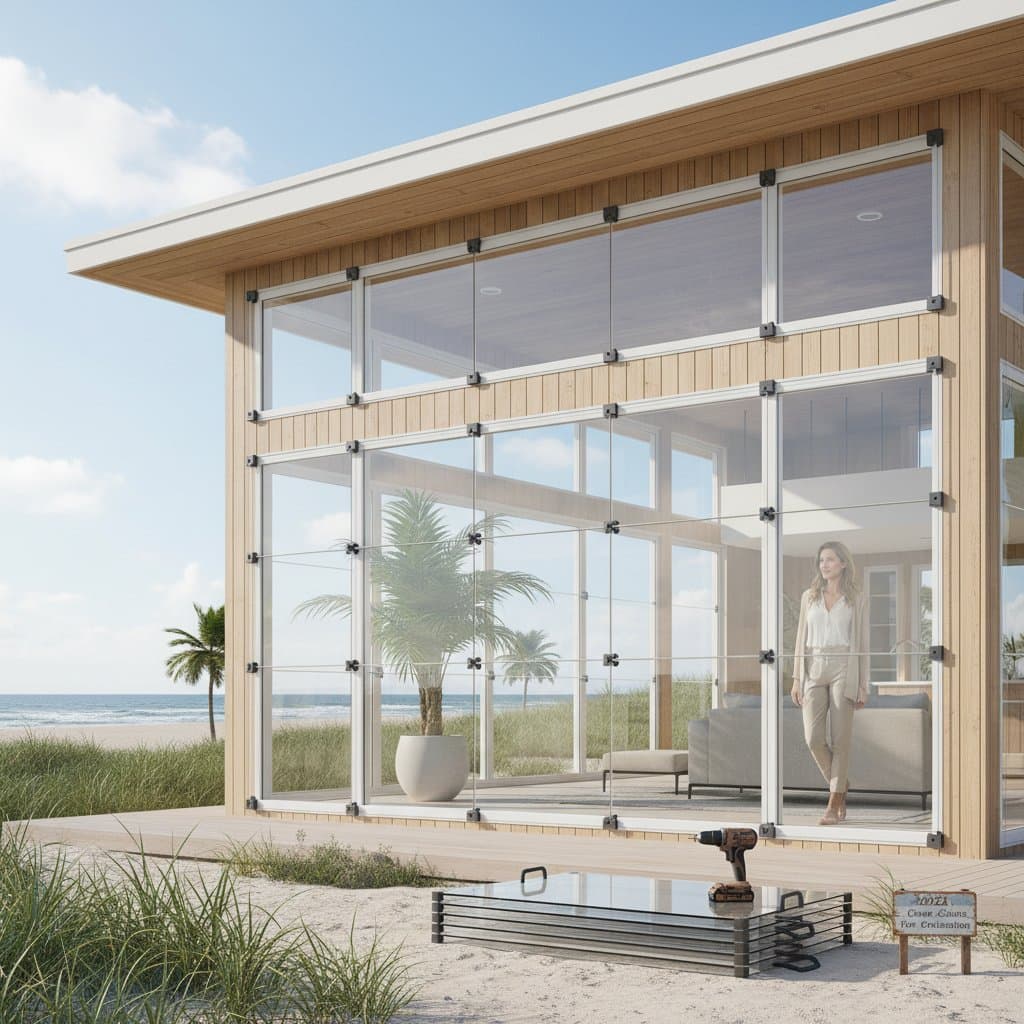
Transparent Hurricane Panels: A Superior Alternative to Plywood for Storm Protection in 2025
Coastal homeowners face the annual challenge of preparing for severe weather. Traditional plywood has served as a primary defense, yet it presents drawbacks such as blocking natural light, causing damage to window trim, and requiring cumbersome storage. Transparent hurricane panels emerge as an innovative solution, providing robust protection while preserving visibility and ease of use. This article details the features of these panels, their advantages, cost considerations, installation guidance, and maintenance practices to help property owners enhance storm readiness.
What Are Transparent Hurricane Panels?
Transparent hurricane panels consist of high-strength polycarbonate or comparable impact-resistant polymers. These materials offer clarity, flexibility, and resilience against high winds and airborne debris. During storms, the panels secure over windows and doors, yet permit sunlight to penetrate, maintaining an illuminated interior environment.
Engineers design these panels to meet stringent building codes in hurricane-prone regions. For instance, they endure impacts equivalent to a 9-pound object traveling at 34 miles per hour, as per standards from organizations like the Miami-Dade County protocols. This durability ensures homes remain intact without the oppressive darkness associated with plywood coverings.
Key Reasons to Transition from Plywood
Repeated storm preparations exhaust many residents with the labor-intensive process of handling plywood. Transparent panels address these pain points through several attributes:
- Durability and reusability: Constructed to withstand multiple seasons, they eliminate the need for frequent replacements.
- Reduced weight: Lighter than plywood, they simplify handling and reduce injury risk during installation.
- Optical clarity: Natural light filters through, supporting daily activities and psychological well-being during extended storm events.
- Resistance to environmental damage: They resist moisture, preventing issues like mold growth or structural degradation.
By integrating these elements, transparent panels deliver comprehensive protection that aligns with modern homeowner expectations for convenience and aesthetics.
Budgeting for Transparent Hurricane Panels
Investing in storm protection requires careful financial planning. Costs for transparent panels typically range from $10 to $25 per square foot, encompassing materials and mounting hardware. Factors influencing price include panel thickness, customization options, and regional labor rates. For a standard 2,000-square-foot home with multiple openings, total expenses might fall between $2,000 and $5,000.
Strategies to Optimize Costs
Homeowners can implement phased installations, prioritizing high-risk areas like south-facing windows exposed to prevailing winds. Additional savings opportunities include:
- Soliciting multiple estimates: Contact at least three suppliers to compare pricing and services.
- Prioritizing certified products: Select panels approved by testing bodies such as the International Hurricane Protection Association for assured performance.
- Reviewing warranty options: Opt for systems with 10-year or lifetime guarantees on materials and installation.
Although initial outlays exceed those for plywood, the long-term value manifests in lower maintenance and replacement costs, often recouping the investment within three to five years.
Selecting and Installing Transparent Panels
The effectiveness of transparent panels hinges on proper selection and setup. Available in corrugated, flat, or tailored configurations, they accommodate various attachment methods, from clip-on tracks to bolted anchors. Evaluate your home's architecture to choose a system that integrates seamlessly without altering permanent structures.
Essential Installation Steps
Follow these procedures to achieve a secure and efficient setup:
-
Conduct precise measurements: Use a tape measure to record dimensions of each window and door, accounting for frames and clearances to avoid overlaps or gaps.
-
Determine appropriate thickness: Panels range from 0.04 to 0.06 inches; select based on local wind load requirements, with thicker options for Category 4 or 5 hurricanes.
-
Assess mounting surfaces: Verify that walls and frames support the hardware, repairing any cracks or weaknesses beforehand.
-
Organize storage solutions: Assign labels to panels corresponding to specific openings, facilitating rapid retrieval during alerts.
-
Conduct trial runs: Assemble the system during calm weather to refine techniques and ensure all components align correctly.
For optimal results, engage a certified installer experienced in coastal regulations. This approach not only complies with codes but also maximizes the panels' protective capabilities.
Long-Term Maintenance of Transparent Panels
Proper care extends the lifespan of transparent hurricane panels, ensuring they perform reliably season after season. Post-storm, rinse panels with a solution of mild soap and lukewarm water to remove salt, dirt, or debris. Dry thoroughly using a soft cloth to prevent water spots.
Steer clear of abrasive cleaners or tools that might compromise the surface clarity. For storage, position panels in a sheltered location, either horizontally on racks or vertically in slots separated by foam padding. Annual inspections for cracks or UV degradation help identify issues early, preserving investment value.
Frequently Asked Questions
Are transparent hurricane panels as strong as metal or plywood?
Yes, polycarbonate panels are engineered to meet or exceed impact-resistance standards for both metal shutters and plywood. They flex under force to absorb energy, reducing the risk of breakage.
Can I see through the panels during a storm?
Yes, the transparent nature allows for clear outward visibility and inward daylight, mitigating the sense of isolation that plywood creates.
Do transparent panels fit all window types?
Most systems support customization for standard, arched, or irregular shapes. Consult manufacturers for compatibility with your specific openings.
How do I store transparent panels when not in use?
Store in a dry, temperature-controlled space, laid flat or upright with protective separators to prevent scratching or warping.
Will transparent panels increase my insurance discount?
Many insurance providers offer premiums reductions of 5 to 15 percent for approved impact-resistant installations. Verify with your agent to apply for discounts.
Are transparent panels easy to install on my own?
Yes, DIY-friendly designs use simple tools like drills and screws, typically requiring two people for larger panels. Complex installations benefit from professional assistance.
Enhance Storm Readiness with Transparent Protection
Transparent hurricane panels represent a forward-thinking choice for coastal resilience, combining strength with everyday livability. Through informed selection, strategic budgeting, and diligent maintenance, homeowners secure their properties against nature's fury. Embrace this upgrade to experience storms with greater confidence and minimal disruption.