
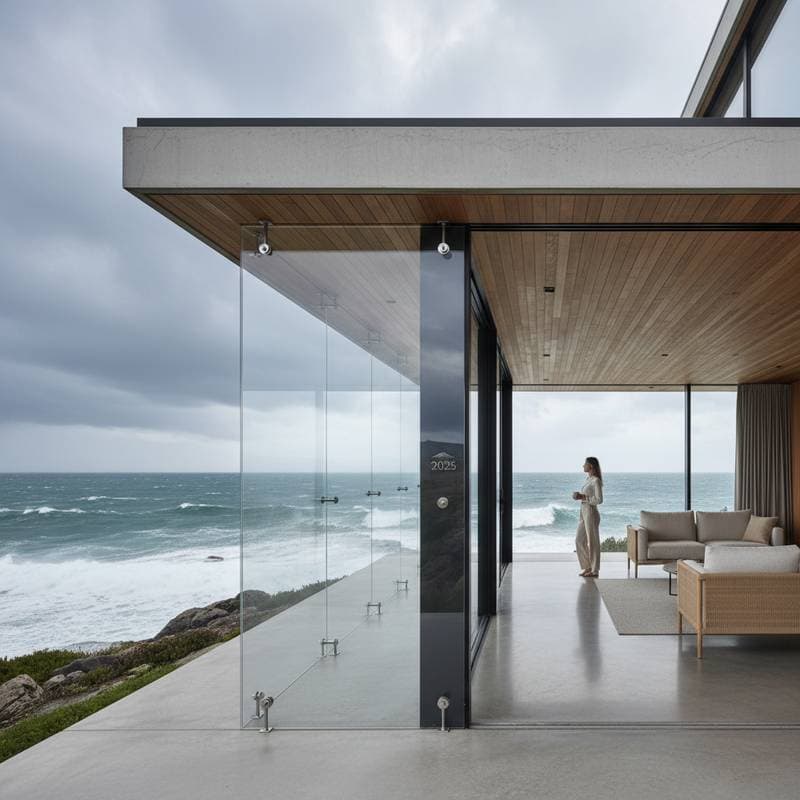
Introduction to Transparent Hurricane Panels
Coastal living brings breathtaking views but also the challenge of severe weather. Traditional storm shutters often block sightlines and reduce natural light, creating a sense of isolation during hurricanes. Transparent hurricane panels address this issue by providing robust protection without obstructing the scenery.
These innovative shields allow homeowners to monitor approaching storms safely from inside. They combine strength with clarity, ensuring that families remain secure while enjoying the dynamic coastal environment. As hurricane seasons intensify, such solutions gain popularity among property owners seeking balance between safety and lifestyle.
Key Benefits for Coastal Homes
Transparent hurricane panels offer multiple advantages over conventional options. First, they maintain visibility, enabling residents to observe weather conditions and emergency responses without opening doors or windows. This feature proves invaluable during power outages or evacuation preparations.
Second, the panels enhance property aesthetics. Unlike bulky metal shutters or makeshift plywood, they integrate seamlessly with modern home designs. Homeowners report a greater sense of connection to their surroundings, even in turbulent times.
Finally, reusability reduces long-term costs and environmental impact. Panels store easily and deploy quickly, streamlining annual preparations. For 2025, experts predict wider adoption as building trends emphasize sustainable, user-friendly protections.
Materials and Durability
Most transparent hurricane panels consist of polycarbonate or acrylic sheets. Polycarbonate stands out for its superior impact resistance, capable of deflecting debris traveling at high speeds. Acrylic provides excellent clarity but requires thicker gauges for equivalent strength.
Both materials include UV stabilizers to resist fading from prolonged sun exposure. Manufacturers test panels against large and small missile impacts, simulating flying objects like roof tiles or branches. This rigorous process ensures reliability in high-wind zones.
- Thickness options: Select 0.25-inch to 0.5-inch panels based on local wind ratings.
- Frame reinforcements: Aluminum or stainless steel edges prevent warping under pressure.
- Customization: Tailor sizes to fit irregular windows, ensuring full coverage.
Cost Considerations and Local Requirements
Initial expenses for transparent hurricane panels range from $15 to $30 per square foot, depending on material and size. This positions them above basic aluminum shutters but below custom metal systems. Over time, their longevity offsets the premium through reduced replacement needs.
-
Wind zone ratings: Panels must match designations like Miami-Dade or ASTM E1996 for approval.
-
Impact testing: Verify compliance with large missile standards for debris protection.
-
Aesthetic finishes: Tinted options add privacy without darkening interiors.
-
Local codes: Some coastal areas require specific ratings that affect material choice. Consult municipal guidelines early to avoid installation delays.
While transparent hurricane panels may cost slightly more upfront than standard aluminum shutters, their durability and reusability make them a smart long-term investment.
Installation and Maintenance
DIY or Professional Installation?
Homeowners with handyman skills can manage installation using common tools like drills and levels. Panels secure to pre-installed tracks or bolt directly to frames around openings. For complex setups, such as multi-story homes or curved windows, hire certified installers to guarantee precision and code adherence.
Professional services often include site assessments and warranty validations. This approach minimizes errors that could compromise protection during storms.
Photo: A homeowner securing transparent hurricane panels before a coastal storm.
Step-by-Step Overview
- Measure accurately for each window and door opening, accounting for overlaps.
- Choose a mounting system such as track, direct-bolt, or clip-on, based on surface type.
- Label panels for quick identification before storms, using permanent markers.
- Install anchors securely into wall framing, spacing them every 12 to 18 inches.
- Attach panels following manufacturer specifications, tightening hardware evenly.
- Test fit each panel before storm season begins, simulating deployment.
Maintenance Tips
Regular upkeep extends panel lifespan in salty, sandy environments. After storms, rinse surfaces with mild soap and fresh water to eliminate corrosive residues. Dry thoroughly to prevent water spots.
Avoid abrasive cleaners that can scratch the surface and reduce clarity. At season's start, inspect for cracks or clouding, replacing damaged sections promptly.
Store panels flat or upright in a dry, shaded area to avoid warping. Proper care keeps transparent hurricane panels clear and strong for many years, even in harsh coastal conditions.
Environmental and Energy Benefits
Beyond protection, transparent panels contribute to home efficiency. During calm periods, they serve as temporary sun blockers, cutting heat gain and lowering cooling costs. This seasonal use maintains comfortable interiors without permanent tinting.
Reusable design minimizes waste compared to disposable plywood covers. Materials like polycarbonate recycle easily, aligning with eco-conscious building practices. Homeowners appreciate the reduced landfill contribution during frequent storm preparations.
Photo: Transparent panels stacked neatly in a garage, ready for reuse next season.
Safety and Building Code Compliance
Reputable transparent hurricane panels meet or exceed ASTM impact standards for coastal wind zones. These tests evaluate resistance to cyclic pressure and flying debris. Certifications from bodies like the Florida Building Code provide assurance of performance.
When purchasing, look for certifications that verify pressure and impact testing. Local building departments may require proof of these ratings before installation. Submit plans in advance to secure permits and avoid fines.
Frequently Asked Questions
Are transparent hurricane panels as strong as metal shutters?
Yes. Polycarbonate panels can withstand similar impact levels as aluminum shutters and often outperform plywood. The key is proper installation and material thickness, typically 0.375 inches for high-risk areas.
Do the panels turn yellow over time?
Quality panels include UV inhibitors that prevent yellowing or clouding. Cheaper versions may discolor, so always choose reputable brands with long-term warranties, often spanning 10 years.
Can I leave them up year-round?
You can, but most homeowners remove them after storm season to maintain airflow and views. Permanent installation is possible if you prefer extra security or wind protection, though it may affect energy bills.
How long do transparent hurricane panels last?
With proper care, panels can last over a decade. Their resistance to cracking, corrosion, and fading makes them a durable investment for coastal homes exposed to intense elements.
Are they easy to store?
Yes. Panels are lightweight and stackable, taking up minimal space in a garage or storage shed. Protective covers prevent scratches during off-season storage.
Upgrade Your Coastal Protection
Residing near the shore demands reliable defenses against nature's fury. Transparent hurricane panels deliver this security while preserving the views that define seaside life. Invest in them to enjoy storms from a place of confidence and clarity.