
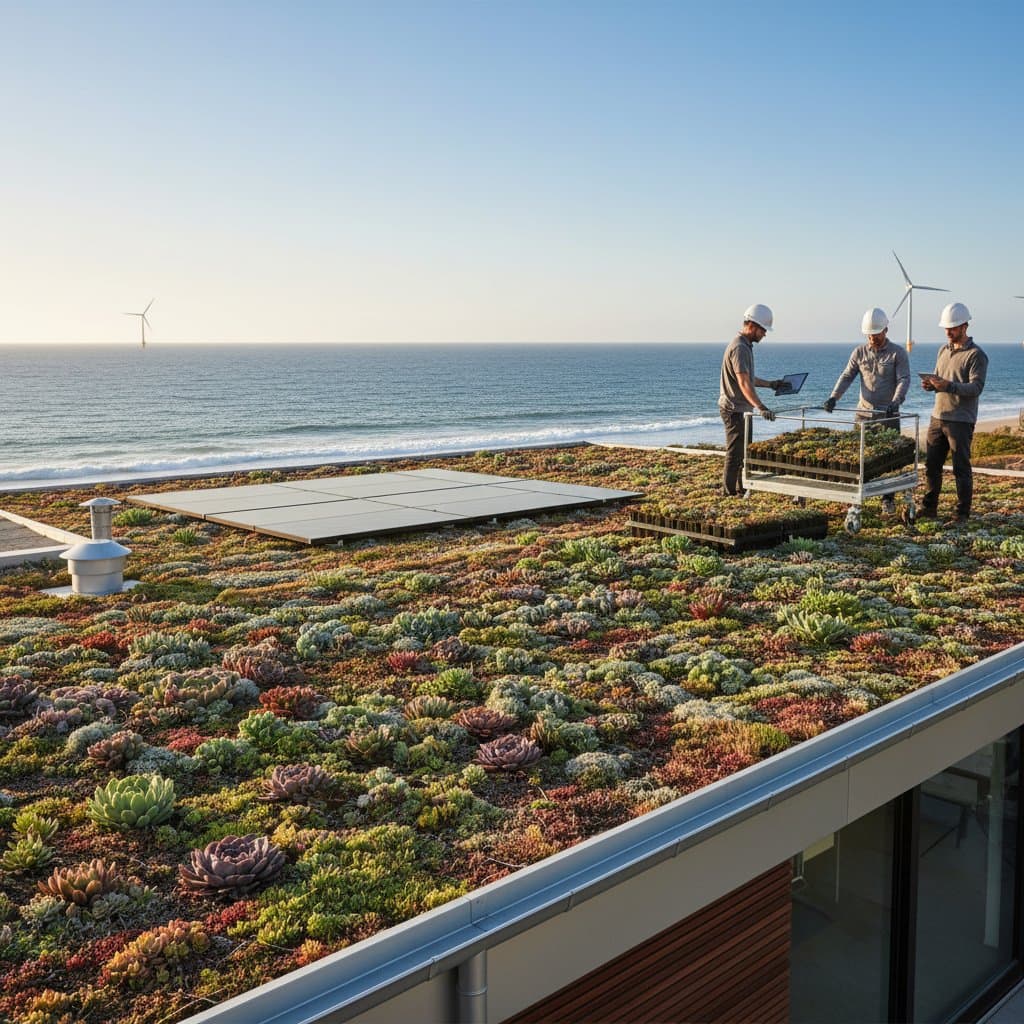
Coastal Homes Stay Up to 30 Percent Cooler with Succulent Roofs
Coastal homeowners confront a unique hurdle: regulating indoor temperatures without excessive air conditioning use. Intense sun, salty air, and humidity combine to complicate and inflate cooling efforts. Succulent roof systems emerge as an effective, attractive remedy in these areas. These installations lower indoor temperatures by as much as 30 percent while delivering environmental and visual advantages aligned with coastal living.
This resource details the mechanics of succulent roofs, their efficiency in coastal settings, and key considerations for installation. Readers gain insights into designing, maintaining, and maximizing a green roof that promotes year-round cooling and sustainability.
Understanding Succulent Roof Systems
A succulent roof, or green roof, consists of drought-resistant plants cultivated atop a waterproof roofing base. Succulents like sedum, echeveria, and aeonium excel due to their water-storing leaves, sun tolerance, and low upkeep demands.
How Succulent Roofs Reduce Heat
Succulent roofs achieve cooling through insulation and evapotranspiration.
- Insulation: Soil and plants form a barrier that deflects solar rays and limits heat penetration into the structure.
- Evapotranspiration: Plants release vapor, which cools the air and drops surface temperatures far below those of asphalt or tile roofs.
Studies under comparable conditions reveal that homes with optimized succulent roofs remain up to 30 percent cooler than counterparts with conventional coverings. Such performance eases air-conditioning loads and trims utility expenses.
Why Succulents Suit Coastal Homes
Coastal environments favor succulent roofs with their mild temperatures, abundant light, and sea breezes. These plants endure salt and gusts better than typical greenery. Their shallow roots avoid overburdening roof frameworks, a critical factor in humid, corrosive zones.
Planning a Succulent Roof Project
Homeowners must assess structural integrity, local weather, and ongoing care needs before green roof installation. Professional guidance ensures each phase supports long-term viability.
Step 1: Assess Your Roof Structure
Green roofs demand roofs capable of bearing extra weight. Engage a structural engineer or certified contractor for an evaluation and potential reinforcements.
Typical components include:
- Waterproof membrane to avert leaks.
- Root barrier to safeguard the roof deck.
- Lightweight medium blending soil, sand, and perlite.
- Drainage layer for water management.
- Succulents positioned for uniform spread and anchorage.
Step 2: Choose the Right Plant Varieties
Select species matched to your site's conditions for optimal results. Coastal favorites encompass:
- Sedum: Tough varieties in multiple hues that propagate rapidly.
- Echeveria: Rosette shapes providing architectural flair.
- Aeonium: Heat-resistant with upright forms for dimension.
- Ice plant: Colorful blooms and dense mat formation.
Mixing these promotes continuous cover and adaptability to fluctuations in weather or wind.
Step 3: Plan for Irrigation and Drainage
Succulents tolerate dry spells, yet coastal winds accelerate evaporation. Install drip lines or sensors to deliver precise moisture without excess.
Effective drainage prevents pooling, which harms roots and underlying materials.
Step 4: Estimate Costs and Savings
Installation expenses range from $15 to $35 per square foot, influenced by roof dimensions, modifications, and choices. Initial outlay exceeds standard roofs, but energy reductions, prolonged durability, and low maintenance recoup investments.
Costs fluctuate by region, supplies, and scope; consult professionals for precise quotes.
Long-Term Benefits of Succulent Roofs
Succulent roofs extend value through cooling and additional perks that improve livability and worth.
Energy Efficiency
Natural cooling diminishes reliance on HVAC units. Lower consumption yields substantial bill reductions, especially in peak seasons.
Extended Roof Lifespan
Vegetation protects base layers from UV exposure and thermal extremes, delaying degradation. Membranes under green covers often endure far beyond unprotected versions.
Environmental Impact
These roofs purify air, sequester stormwater, and curb runoff. They foster habitats for pollinators, bolstering coastal biodiversity.
Visual Appeal and Property Value
Succulent roofs introduce contemporary, organic aesthetics that boost exteriors. Their eco-friendly profile appeals to buyers, potentially raising resale prices.
Maintenance and Care Tips
Routine attention sustains succulent roof efficacy over decades.
Inspect Regularly
Examine for leaks, blockages, or plant distress quarterly. Remove debris and verify drainage to avert escalation of minor problems.
Minimal Watering
Water sparingly during droughts. Permit soil drying to avoid rot.
Seasonal Trimming and Replanting
Prune to control growth and density. Refresh sparse areas to preserve insulation.
Professional Maintenance Plans
Contractors provide yearly checks to detect issues early, upholding warranties and longevity.
Frequently Asked Questions
How much weight does a succulent roof add to my home?
Saturated systems add 10 to 30 pounds per square foot. Verify load capacity with an engineer prior to proceeding.
Can I install a succulent roof on a flat or sloped roof?
Both configurations work. Flat surfaces simplify setup; slopes over ten degrees need anti-erosion measures. Professionals handle all installations.
Do succulent roofs attract pests?
They rarely do, lacking insect-favorable debris. Inspections maintain hygiene.
How long does a succulent roof last?
Decades with diligent care. Protected membranes outlast exposed ones.
What are the maintenance requirements?
Seasonal reviews, targeted watering, and trims suffice. Annual pro visits ensure optimal function.
Can a succulent roof handle heavy rain or coastal storms?
Designed systems manage it via drainage and absorption, mitigating flood risks.
Will my homeowners insurance cover a succulent roof?
Policies vary; many view them favorably. Review terms with your provider beforehand.
Install Your Succulent Roof for Lasting Coastal Comfort
A succulent roof represents a strategic upgrade for thermal regulation and eco-responsibility. It transforms unused space into a vibrant, protective feature.
With informed planning and upkeep, this addition delivers enduring coolness, resilience, and allure tailored to seaside homes.