
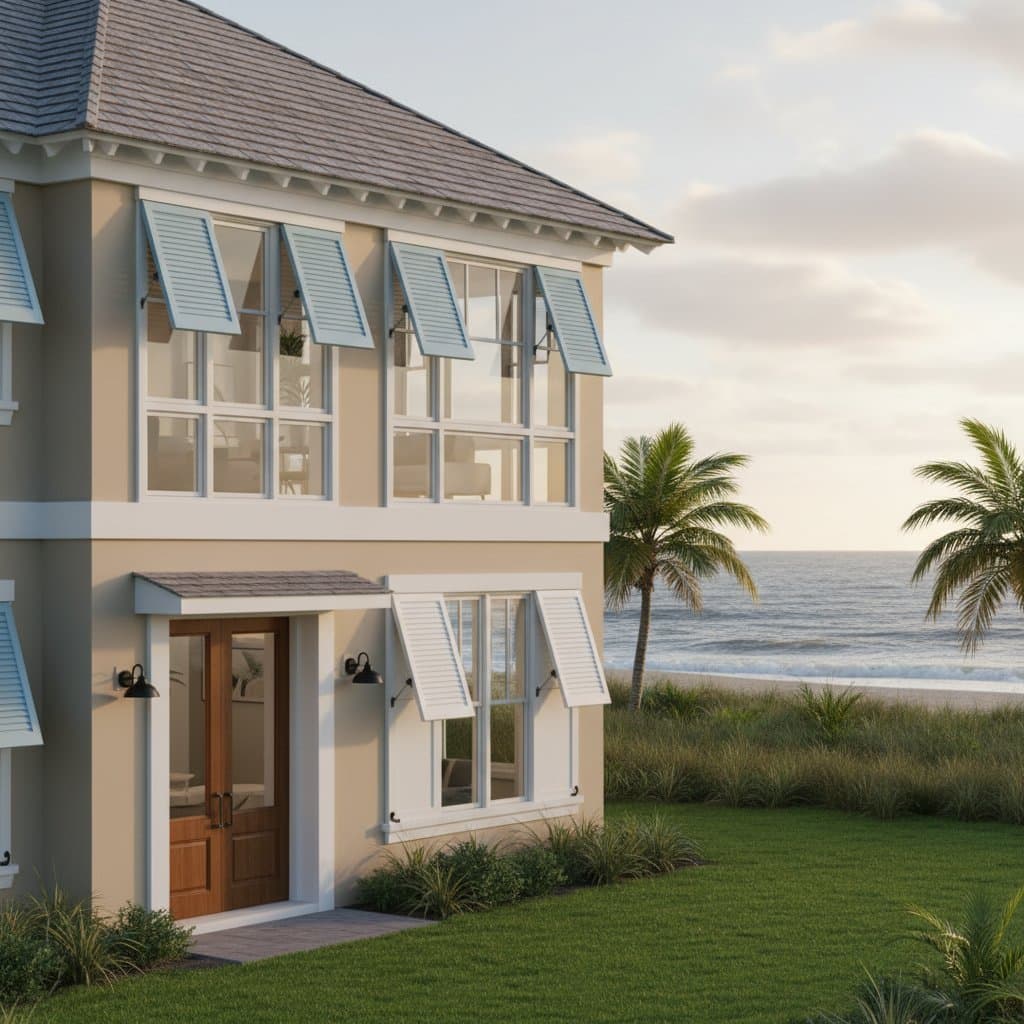
Storm Shutters That Protect and Beautify Your Coastal Home
Living along the coast brings breathtaking views and a unique lifestyle, yet it also exposes homes to harsh weather conditions. Storm shutters serve as essential barriers against high winds, flying debris, and relentless rain, while offering opportunities to elevate your home's aesthetic. This guide explores options that combine robust protection with elegant design, ensuring your property remains safe and visually appealing.
Coastal homes demand solutions that endure salty air and intense storms without compromising on style. Traditional shutters often prioritize function over form, but modern designs integrate both seamlessly. By selecting the right shutters, homeowners achieve peace of mind and a refined exterior that complements the seaside environment.
The Importance of Storm Shutters in Coastal Regions
Coastal areas face frequent hurricanes, tropical storms, and everyday elements like salt spray and UV exposure. These forces can damage windows, siding, and structural integrity over time. Storm shutters provide a critical layer of defense, reducing the risk of breakage and water intrusion during severe weather events.
Beyond protection, shutters contribute to energy efficiency by insulating windows against heat and cold. They block excessive sunlight, helping maintain comfortable indoor temperatures. In regions like San Diego, where mild winters contrast with occasional storms, versatile shutters adapt to varied climates while preserving the home's charm.
Property values in coastal communities benefit from thoughtful exterior upgrades. Shutters that harmonize with architectural styles signal meticulous care, appealing to potential buyers. Investing in quality options yields long-term savings on repairs and enhances daily living.
Exploring Popular Styles of Storm Shutters
Storm shutters come in several styles, each suited to different home designs and protection needs. Bahama shutters, with their angled tops, offer a tropical flair ideal for bungalows and ranch-style homes. They tilt outward to catch breezes in calm weather and secure flat against windows during storms.
Colonial shutters present a classic look with flat panels that fold together for coverage. This style suits traditional and colonial architectures, providing full window protection without obstructing views when open. Their straightforward design ensures easy operation and a timeless appearance.
Roll-down shutters slide vertically from a housing above the window, operated manually or electronically. They excel in modern homes, offering complete enclosure and integration with smart home systems. For maximum security, accordion-style shutters extend horizontally from one side, unfolding like an accordion to shield large openings.
- Assess your home's architecture to choose a complementary style.
- Consider ease of use for daily operation.
- Evaluate how the style performs in high-wind scenarios.
Selecting the appropriate style balances functionality with the desire for an inviting facade.
Durable Materials for Long-Lasting Performance
The choice of material determines a shutter's ability to withstand coastal challenges. Aluminum stands out for its lightweight strength and resistance to corrosion, making it a top pick for salty environments. Powder-coated finishes add color options and further protect against rust.
Vinyl shutters provide affordability and low maintenance, mimicking wood's appearance without the vulnerability to rot or warping. They resist fading from sun exposure and clean easily with mild soap. For premium durability, steel options deliver unmatched impact resistance, though they require more robust installation.
Composite materials blend wood fibers with polymers, offering the warmth of wood alongside weatherproof qualities. These resist insects and moisture, ideal for humid coastal zones. Avoid untreated wood, as it deteriorates quickly in marine conditions.
- Aluminum: Strong, corrosion-resistant, and customizable.
- Vinyl: Budget-friendly and fade-resistant.
- Steel: Heavy-duty for extreme storms.
- Composite: Natural look with enhanced durability.
Prioritize materials certified for impact resistance, such as those meeting Miami-Dade standards, to ensure reliability.
Enhancing Curb Appeal with Colors and Finishes
Color selection transforms shutters from mere protectors into design elements. Neutral tones like soft grays and whites blend seamlessly with coastal palettes, evoking sandy beaches and ocean waves. For a bolder statement, deeper blues or greens echo the sea and foliage.
Consider your home's siding and trim when choosing hues. Lighter colors reflect heat, aiding energy efficiency in sunny climates. Darker shades add depth but may absorb more warmth, so balance aesthetics with practical needs.
Finishes play a key role in longevity and style. Powder coating seals aluminum against elements, available in glossy or matte sheens. Textured finishes on vinyl mimic wood grain for added realism. Custom staining on composites allows personalized touches that age gracefully.
To achieve harmony:
- Sample colors in natural light to see how they interact with surroundings.
- Opt for UV-resistant paints to prevent fading.
- Coordinate with roof and door colors for cohesive appeal.
Thoughtful coloring elevates your home's exterior, making it a standout in the neighborhood.
Essential Features for Optimal Protection and Convenience
Advanced features enhance shutter performance beyond basic coverage. Impact-rated glass alternatives, like polycarbonate inserts, shatter less easily than standard panes. Reinforcements such as aluminum frames and secure locking mechanisms prevent forced entry.
Motorized options allow remote control via apps, simplifying storm preparation. Sensors can automate deployment based on weather alerts. For manual systems, quick-release latches ensure fast setup without tools.
Ventilation slits in certain designs permit airflow during mild weather, reducing humidity buildup. UV-blocking fabrics in roll-down models protect interiors from sun damage. Look for warranties covering wind speeds up to 150 mph for comprehensive assurance.
Key considerations include:
- Automation for ease.
- Ventilation to balance protection and air circulation.
- Warranties for peace of mind.
These elements ensure shutters deliver multifaceted value.
Practical Steps for Installation and Upkeep
Professional installation guarantees proper alignment and secure fastening, crucial for storm performance. Hire certified contractors familiar with local building codes, especially in high-risk zones. They assess window sizes and recommend reinforcements like anchor bolts into masonry.
DIY options suit simpler projects, but prioritize safety with sturdy ladders and helpers. Measure openings precisely and follow manufacturer guidelines for hardware placement. Post-installation, test mechanisms to confirm smooth operation.
Maintenance involves annual inspections for loose screws, corrosion, or wear. Clean surfaces with non-abrasive solutions to remove salt residue. Lubricate moving parts and repaint as needed to preserve finishes. Regular care extends lifespan and maintains appearance.
Follow these steps:
- Schedule professional assessment.
- Secure permits if required.
- Perform routine checks seasonally.
Diligent upkeep maximizes investment returns.
Achieving Secure and Elegant Coastal Living
Storm shutters represent more than defense; they embody smart design for coastal resilience. By integrating protection with beauty, homeowners create spaces that thrive amid nature's demands. Explore local suppliers to find options tailored to your vision, and transform your home into a sanctuary of style and strength.
With the right choices, your coastal residence withstands elements while captivating onlookers. Embrace these enhancements for enduring elegance and safety.