
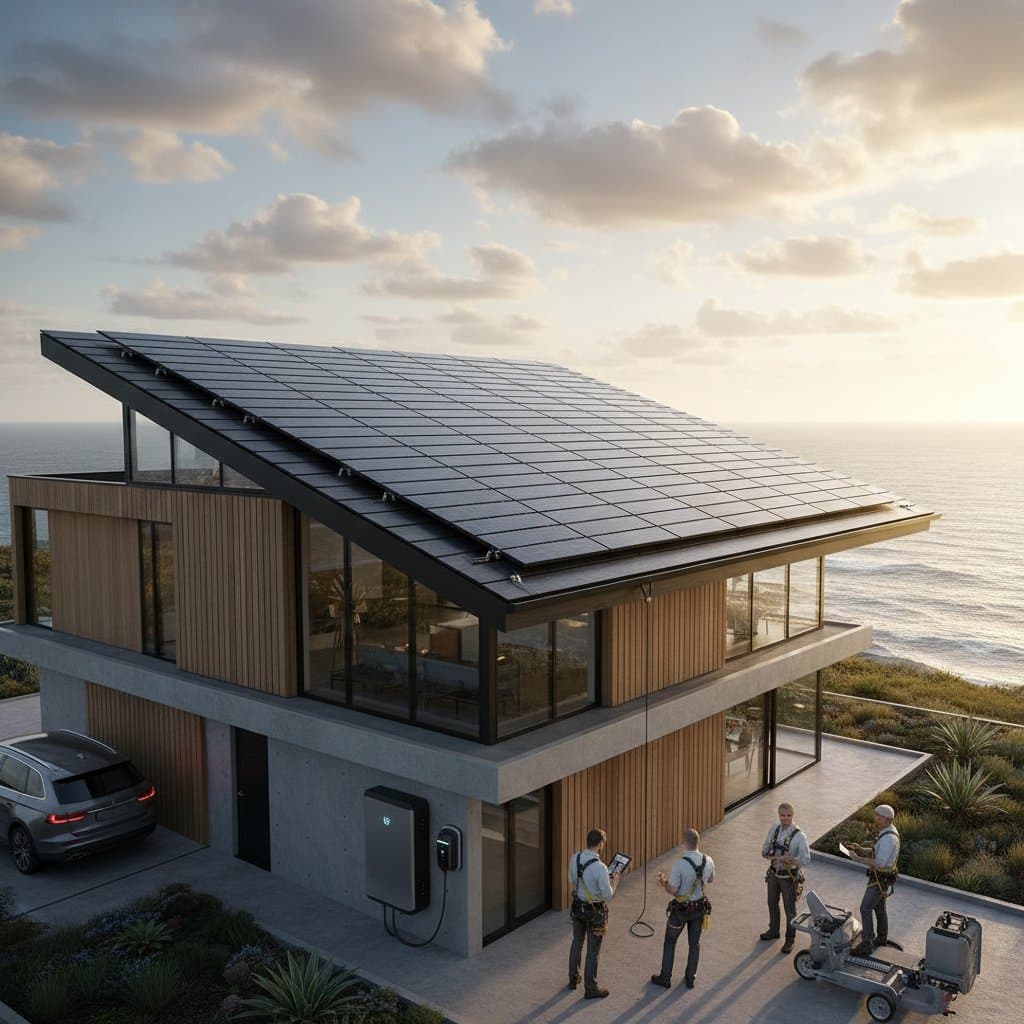
Why Solar Tiles Enhance Coastal Return on Investment by 2026
Imagine a coastal home where the roof captures sunlight to produce clean energy while protecting against harsh environmental conditions. Solar tiles integrate photovoltaic technology directly into roofing materials, offering both aesthetic appeal and practical benefits. For homeowners in salty, windy coastal areas, these systems provide durability, energy savings, and increased property value.
Coastal properties face unique challenges from salt corrosion, high winds, and intense sunlight. Solar tiles address these issues by replacing traditional roofs with resilient, energy-generating alternatives. The result includes lower utility bills, greater energy independence during outages, and a potential resale value increase of up to 4 percent, according to industry estimates.
Installation costs for an average-sized home typically range from $35,000 to $65,000, depending on roof size and system complexity. However, federal tax credits, state incentives, and annual energy savings of $1,500 to $3,000 accelerate payback periods to five to seven years. This guide explores key aspects of solar tiles, from costs and types to installation and maintenance strategies.
In This Article
- Cost factors
- Types and options
- DIY versus professional installation
- Ways to save
- Maintenance and longevity
- FAQs
Cost Factors
Several elements influence the price of solar tile installations. Roof size remains the primary determinant, with costs calculated per square foot at approximately $20 to $40. Larger roofs require more tiles, increasing material and labor expenses.
Location-specific factors also play a role. In coastal regions, tiles engineered for corrosion resistance add 10 to 20 percent to the total. Energy needs of the home affect system capacity; a 3,000-square-foot residence might need a 10-kilowatt system, pushing costs toward the higher end.
Additional expenses include permitting fees, which average $500 to $1,500, and potential structural reinforcements for older homes. Homeowners should request detailed quotes that itemize these components to avoid surprises.
Types and Options
Solar tiles vary in design and performance to suit different architectural styles and climates. Selecting the right type ensures optimal energy production and longevity in coastal settings.
Interlocking Solar Roof Tiles
These tiles interlock like traditional roofing materials, such as concrete or clay, creating a seamless appearance. They suit homeowners seeking an integrated look without the bulk of mounted panels. Engineered for coastal durability, they resist salt corrosion and withstand winds up to 150 miles per hour.
Pros: Aesthetic integration, superior wind resistance, 25-year warranties.
Cons: More complex installation, higher upfront cost.
Photo: Andy Dean / Getty Images
Glass-Coated Photovoltaic Tiles
Constructed from tempered glass, these tiles efficiently convert sunlight into electricity while minimizing heat transfer to the home interior. They prove ideal for sunny coastal areas where air conditioning demands peak during summer months. Their reflective surface reduces attic temperatures by up to 30 degrees Fahrenheit.
Pros: Superior efficiency rates of 18 to 22 percent, effective heat management.
Cons: Surface slipperiness requires caution during cleaning, premium pricing.
Photo: Jodi Jacobson / Getty Images
Hybrid Solar Shingles
Hybrid shingles merge flexible solar cells with asphalt-based roofing for a lightweight option. They work well for targeted upgrades, such as south-facing roof sections, without overhauling the entire structure. In coastal environments, select models with enhanced UV protection to counter salt exposure.
Pros: Easier partial installations, reduced weight on roof structures, cost savings of 20 to 30 percent over full systems.
Cons: Lifespan of 20 years in harsh conditions, lower efficiency at 15 percent.
Photo: David Papazian / Getty Images
DIY Versus Professional Installation
Homeowners often weigh the option of self-installation against hiring experts. DIY approaches appeal to those with roofing experience and basic electrical knowledge, but solar tiles demand precision to ensure safety and performance.
Professional installation guarantees compliance with building codes and maximizes energy output through proper angling and wiring. Certified installers handle permits and warranties, which typically void under DIY efforts. Expect professional projects to take three to five days, versus weeks for novices.
For coastal homes, professionals assess wind loads and corrosion risks during site evaluations. While DIY kits start at $25,000, full-service installations average $50,000, including a 10-year workmanship guarantee. Consult local regulations before proceeding independently.
Ways to Save
Reducing upfront costs makes solar tiles more feasible without sacrificing quality. Strategic planning aligns investments with available resources and timelines.
-
Combine with Roof Replacement: Integrate solar tiles during a full roof overhaul to eliminate duplicate labor charges, potentially saving 15 to 25 percent.
-
Leverage Incentives: Federal Investment Tax Credits cover 26 percent of costs through 2032, while state programs in California offer additional rebates up to $3,000.
-
Explore Financing Options: Solar-specific loans feature 0 to 2 percent interest rates and terms up to 20 years, spreading payments to match energy savings.
-
Opt for Partial Systems: Cover high-exposure roof areas first to generate immediate returns, then scale up as budget allows.
-
Time Projects Off-Season: Schedule during winter months when contractors offer discounts of 10 to 20 percent due to lower demand.
These methods can shorten payback to under five years, enhancing overall value for coastal properties.
Maintenance and Longevity
Solar tiles offer extended service lives of 25 to 30 years, outlasting many traditional roofs. In coastal zones, proactive care counters salt accumulation, humidity, and storm damage to maintain efficiency.
Regular cleaning prevents efficiency drops from debris buildup. Annual energy production inspections verify output levels and identify issues early.
Essential Maintenance Practices
- Flush tiles with fresh water biannually to dissolve salt residues and remove bird droppings.
- Examine seals and mounting hardware post-storm to detect wear or loosening.
- Prune overhanging branches to optimize sunlight access and avoid shading losses of up to 20 percent.
- Arrange biennial professional audits for electrical integrity and inverter performance.
The all-in-one design simplifies upkeep by eliminating separate panel maintenance. Compared to add-on solar arrays, integrated tiles reduce vulnerability to leaks and wind uplift.
FAQs
How Much Energy Do Solar Tiles Produce?
A standard 2,000-square-foot coastal home equips with a system generating 7 to 10 kilowatts. This capacity offsets 80 to 100 percent of typical household consumption, including appliances and cooling.
Are Solar Tiles Resistant to Hurricanes?
Most models meet standards for winds exceeding 130 miles per hour and resist impacts from debris up to two-inch hail. Certifications from organizations like UL ensure suitability for high-risk coastal areas.
What Permits Are Required for Installation?
Building permits and electrical inspections apply universally. Coastal jurisdictions may mandate enhanced wind ratings or environmental impact reviews, processed through local planning departments.
Steps to Upgrade Your Coastal Roof
Transitioning to solar tiles fortifies homes against environmental stresses while delivering financial and ecological advantages. Homeowners achieve energy autonomy, reduced bills, and elevated market appeal in competitive coastal real estate.
Begin with a professional roof assessment to evaluate structural integrity and solar potential. Collect bids from at least three NABCEP-certified installers, focusing on system efficiency, warranty details, and incentive applications. With careful selection, solar tiles transform routine homeownership into a resilient, rewarding endeavor.