
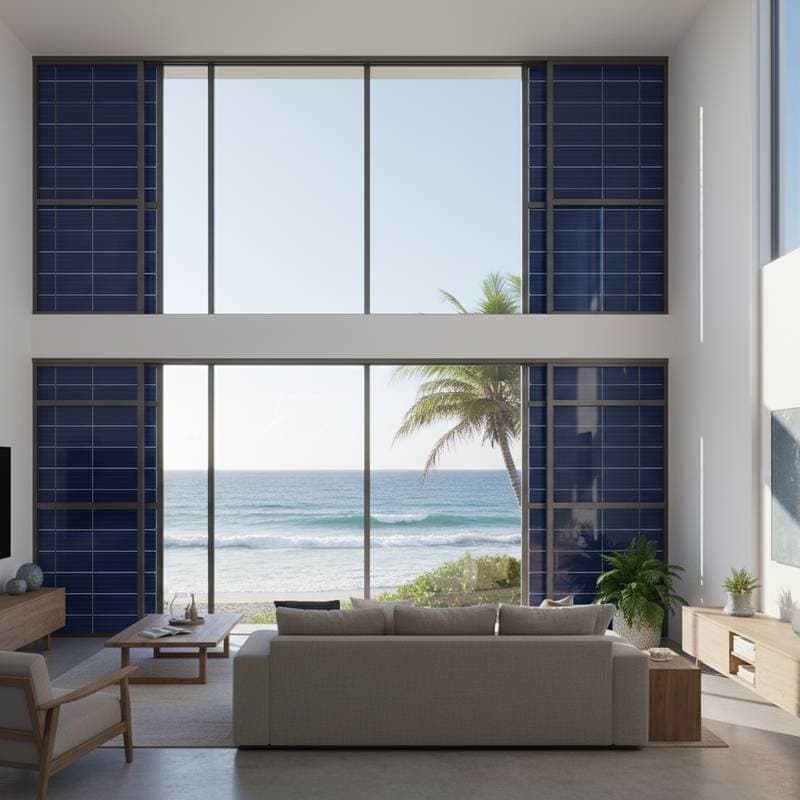
Safeguard Your Coastal Home: Solar Shutters for Protection and Energy Savings
Coastal living offers stunning ocean views and a serene atmosphere. However, residents contend with corrosive salt air, relentless sun exposure, and severe weather events that threaten property integrity. Solar shutters address these issues by combining robust physical protection with renewable energy production, ultimately reducing reliance on traditional power sources.
This comprehensive guide details the mechanics of solar shutters, their specific advantages for coastal properties, and practical steps for selection and installation. Homeowners gain insights to evaluate options confidently, ensuring enhanced safety, efficiency, and long-term value.
Understanding Solar Shutters
Solar shutters resemble conventional storm shutters in appearance but incorporate embedded photovoltaic panels to harness sunlight and produce electricity. These systems integrate with home batteries for storage or connect directly to the electrical grid. Suitable for windows, doors, and outdoor areas, they endure extreme conditions including winds exceeding 150 miles per hour and persistent humidity.
How Solar Shutters Work
Solar shutters operate through a seamless integration of protective and energy-generating functions. The process unfolds as follows:
-
Sunlight Absorption: Photovoltaic cells within each panel absorb photons from sunlight, initiating energy capture.
-
Energy Conversion: Inverters transform the resulting direct current into alternating current compatible with household appliances.
-
Energy Storage or Use: Excess power charges onboard batteries or offsets grid consumption, with smart controls optimizing distribution based on usage patterns.
-
Protection Activation: During storms, shutters deploy to form a fortified barrier, deflecting debris and minimizing pressure on window frames.
Why Coastal Homes Benefit Most
Regions near the sea enjoy prolonged sunlight hours, often averaging 250 to 300 sunny days annually, which maximizes solar output. These areas also face frequent hurricanes and erosion risks. Solar shutters deliver dual functionality, fortifying structures against environmental threats while promoting energy autonomy and reducing vulnerability to grid failures.
Key Advantages of Solar Shutters
Solar shutters stand out by fulfilling multiple roles simultaneously, from weather defense to sustainable power supply.
Dual Protection and Power Generation
Traditional shutters provide temporary shielding during storms, but solar variants generate electricity continuously when deployed or retracted. In open positions, panels capture solar rays to supplement home energy needs. This year-round operation minimizes grid dependence and supports eco-friendly practices.
Reduced Energy Costs
Homeowners typically see bill reductions of 20 to 40 percent, depending on system size and local rates. For a standard three-bedroom coastal residence, a mid-range setup might offset 5,000 to 8,000 kilowatt-hours yearly. Factors such as panel efficiency, rated at 18 to 22 percent for premium models, and battery capacity influence these savings. Consult utility providers for net metering options to further amplify financial returns.
Added Home Value and Curb Appeal
These installations blend seamlessly with coastal designs, available in powder-coated finishes mimicking wood or metal accents. Appraisers often add 3 to 5 percent to property valuations due to integrated renewables and enhanced durability. Prospective buyers appreciate the modern appeal and immediate energy efficiencies.
Increased Resilience During Power Outages
Battery reserves, often 10 to 20 kilowatt-hours, sustain critical systems like lighting, refrigeration, and medical devices for 24 to 48 hours post-storm. Microinverters ensure stable output even under partial shading. This capability proves invaluable in hurricane-prone zones where outages average three to five days.
Steps for Choosing and Installing Solar Shutters
Selecting the appropriate solar shutters requires systematic evaluation to match your home's needs and local conditions.
1. Evaluate Your Home’s Exposure
Conduct a site audit to measure sunlight hours on target surfaces, ideally using tools like solar pathfinders. Note obstructions such as overhangs or foliage that could limit exposure by 20 to 30 percent. Prioritize south- and west-facing orientations for peak performance in coastal latitudes.
2. Determine System Capacity
Collaborate with certified professionals to calculate required output, targeting 1 to 2 kilowatts per major window cluster. Consider energy audits to align capacity with peak loads, such as air conditioning demands in humid climates. Opt for scalable designs allowing future expansions.
3. Verify Contractor Credentials
Seek firms with NABCEP certification for solar expertise and Miami-Dade approvals for hurricane-rated products. Review portfolios of similar installations and obtain at least three bids. Verify bonding and warranties covering workmanship for 10 to 25 years.
4. Obtain Permits and Inspections
Navigate local regulations, which may mandate engineering stamps for wind-load compliance. Contractors typically submit plans to authorities, followed by on-site verifications. Budget 4 to 8 weeks for approvals in coastal jurisdictions.
5. Schedule Regular Maintenance
Quarterly rinses with fresh water remove salt deposits, preserving panel efficiency. Annual inspections by technicians check seals, wiring, and battery health. Address any efficiency drops below 90 percent promptly to maintain return on investment.
Frequently Asked Questions
What are solar shutters made of?
Construction features extruded aluminum frames with corrosion-resistant coatings, paired with laminated photovoltaic glass. Seals use silicone gaskets to repel moisture, ensuring longevity in saline environments.
Can solar shutters power an entire home?
They contribute significantly but rarely suffice alone for high-demand households. Outputs range from 200 to 500 watts per panel, ideal for supplementing rather than fully replacing grid power.
How long do solar shutters last?
Panels maintain 80 percent efficiency after 25 years, while frames endure 30 to 40 years with upkeep. Mechanical hinges may require lubrication every five years.
Are solar shutters better than traditional solar panels?
Each serves distinct purposes: panels prioritize maximum energy yield on rooftops, whereas shutters integrate protection and aesthetics for windows. Combining both yields comprehensive benefits.
Do solar shutters qualify for tax incentives?
Federal investment tax credits cover 26 percent of costs through 2032, with state rebates varying by location. Energy audits confirm eligibility for programs like those from the Database of State Incentives for Renewables and Efficiency.
How do I clean solar shutters safely?
Use a soft brush and mild detergent solution, avoiding abrasives that scratch surfaces. Rinse thoroughly with low-pressure water to prevent streaks, and dry with microfiber cloths for streak-free results.
Will solar shutters work during cloudy weather?
Output decreases by 50 to 70 percent on overcast days, but diffuse light still generates usable power. Batteries bridge gaps, ensuring consistent supply during extended poor weather.
Sustaining Performance for Long-Term Coastal Resilience
Solar shutters represent a strategic upgrade for properties exposed to marine elements. Routine care preserves their protective and generative capabilities, yielding sustained savings and security.
Through deliberate integration, these systems convert coastal vulnerabilities into assets, fostering homes that thrive amid sun, sea, and storms. Professional guidance ensures seamless adoption, empowering residents with reliable, sun-powered living.