
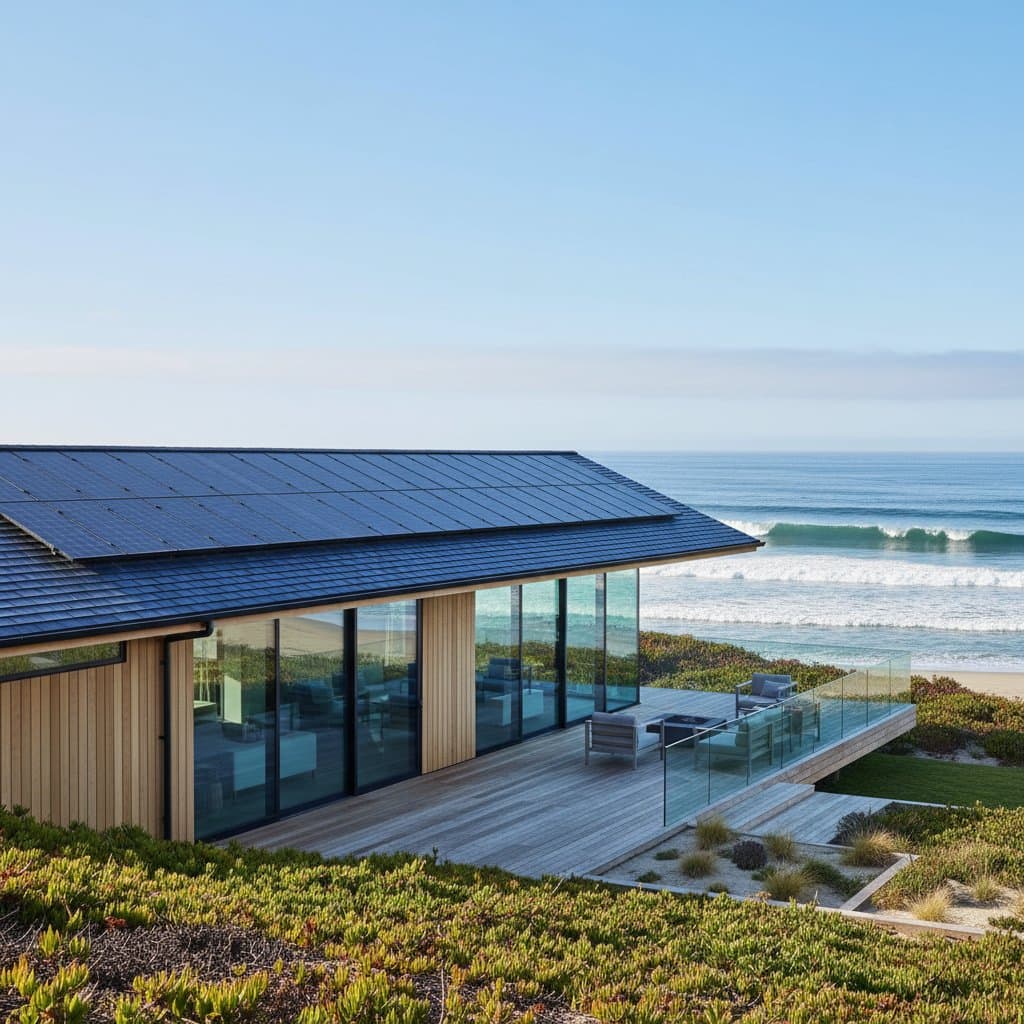
Solar Shingles: 7-Year ROI for Coastal Home Upgrades
Solar shingles are redefining how homeowners in coastal regions approach energy efficiency and exterior design. These roof-integrated panels generate renewable power while enhancing visual appeal and delivering long-term savings. Homeowners typically achieve a return on investment within seven years, with rates ranging from 12 percent to 18 percent, based on local energy rates, sunlight exposure, and installation costs. Reduced utility bills and available solar incentives help recover the initial outlay during this timeframe.
Understanding Solar Shingles and Their Coastal Advantages
Solar shingles serve as both protective roof covering and energy generators. Photovoltaic cells embedded in each shingle convert sunlight into usable electricity, seamlessly combining functionality with aesthetics. Coastal homeowners benefit from several key advantages.
- Durability that withstands salt air and high humidity levels
- Increased property value through contemporary, streamlined appearance
- Decreased dependence on grid electricity, particularly useful during frequent power disruptions
- Seamless integration with new construction or roof replacement initiatives
These shingles integrate more aesthetically than traditional solar panels and pair well with standard roofing materials. This makes them suitable for properties where design matters in coastal settings.
Image Placeholder
Image: Modern coastal home with solar shingles integrated into the roofline, overlooking the ocean.
Average Cost and Expected ROI
Solar shingles involve higher upfront costs compared to traditional solar panels, yet they reduce expenses over time by eliminating the need for separate roofing. Energy savings from generated power offset the initial premium, leading to substantial returns.
| Project Type | Average Cost (Installed) | Typical ROI (7 Years) | Energy Savings per Year |
|---|---|---|---|
| Small home (1,000 sq. ft.) | $18,000 - $25,000 | 12% | $1,500 - $2,000 |
| Medium home (2,000 sq. ft.) | $30,000 - $40,000 | 15% | $2,500 - $3,500 |
| Large home (3,000 sq. ft.) | $45,000 - $60,000 | 18% | $3,500 - $4,800 |
These estimates account for moderate sunlight and typical coastal energy prices. Properties with elevated electricity consumption or requirements for premium roofing materials often yield higher returns.
Image Placeholder
Image: Rooftop close-up of solar shingles with reflective glass finish.
Factors Influencing ROI in Coastal Homes
Multiple elements determine the speed of investment recovery for solar shingles. Sunlight exposure plays a primary role, but coastal environments add distinct considerations that shape overall returns.
1. Sun Exposure and Roof Orientation
Roofs facing south or west capture more direct sunlight, boosting yearly energy output. While coastal fog and cloudy skies may temper production, they seldom negate the financial benefits entirely.
2. Local Energy Rates
Elevated electricity prices shorten the payback period. Many coastal urban areas face higher rates, allowing solar shingles to deliver quicker returns than systems in interior regions.
3. Material Durability
Exposure to salt, moisture, and strong winds challenges roofing systems. Shingles constructed from tempered glass and corrosion-resistant alloys endure longer and preserve efficiency superior to lower-quality options.
4. Incentives and Rebates
Regional programs and utility offerings frequently lower upfront expenses through tax credits or direct rebates for renewable installations.
5. Maintenance and Longevity
These systems endure 25 to 30 years with basic care. Annual cleaning and inverter inspections sustain peak performance throughout their service life.
Budgeting and Planning Your Solar Shingle Installation
Effective installations begin with thorough budgeting and expert guidance. A comprehensive site evaluation confirms precise system dimensions and expense projections.
Key Budgeting Steps
- Secure estimates from at least three certified solar roofing specialists.
- Explore financing alternatives, such as dedicated solar loans or home equity lines of credit.
- Coordinate with any necessary roof replacement to optimize timing and costs.
- Reserve 10 to 15 percent of the budget for unforeseen structural or electrical modifications.
- Calculate the payback timeline using your household's monthly energy consumption data.
Image Placeholder
Image: Homeowner reviewing solar installation plans with contractor on a coastal property.
Comparing Solar Shingles to Traditional Solar Panels
The decision between solar shingles and conventional panels hinges on priorities related to appearance, expense, and performance.
| Feature | Solar Shingles | Traditional Solar Panels |
|---|---|---|
| Appearance | Seamless and modern | Noticeable and elevated |
| Efficiency | Moderate to high | High |
| Durability | Excellent for coastal climates | Very good |
| Lifespan | 25-30 years | 25-35 years |
| Cost | Higher upfront | Lower upfront |
| Resale Value | Strong curb appeal | Functional appeal |
Homeowners who value aesthetic harmony and enduring worth often find solar shingles worth the added investment. By serving as the roof itself, they cut down on separate material costs over the system's lifetime.
FAQs About Solar Shingles for Coastal Homes
What is the average payback time for solar shingles?
Most installations recoup costs in six to eight years, influenced by consumption patterns and incentive availability.
Do solar shingles work in cloudy coastal conditions?
They produce electricity under diffuse light, with output decreasing modestly during overcast periods.
How much maintenance do solar shingles require?
Requirements remain low; rinse surfaces periodically and conduct inspections to uphold efficiency.
Are solar shingles resistant to salt and moisture?
Premium models incorporate materials that resist corrosion effectively in marine environments.
Can solar shingles power an entire home?
An appropriately scaled array covers most energy demands, augmented by battery storage for full independence.
Sustaining Performance and Realizing Long-Term Gains
Solar shingles elevate a home's appearance, boost market value, and cut ongoing energy costs. Conduct inspections regularly to address debris accumulation or connection issues promptly. Biannual cleaning and triennial professional evaluations preserve maximum output.
Coastal residents pursuing integrated design and utility find solar shingles an innovative choice. Their renewable energy production, refined style, and seven-year ROI position them as a premier enhancement for sustainable living.