
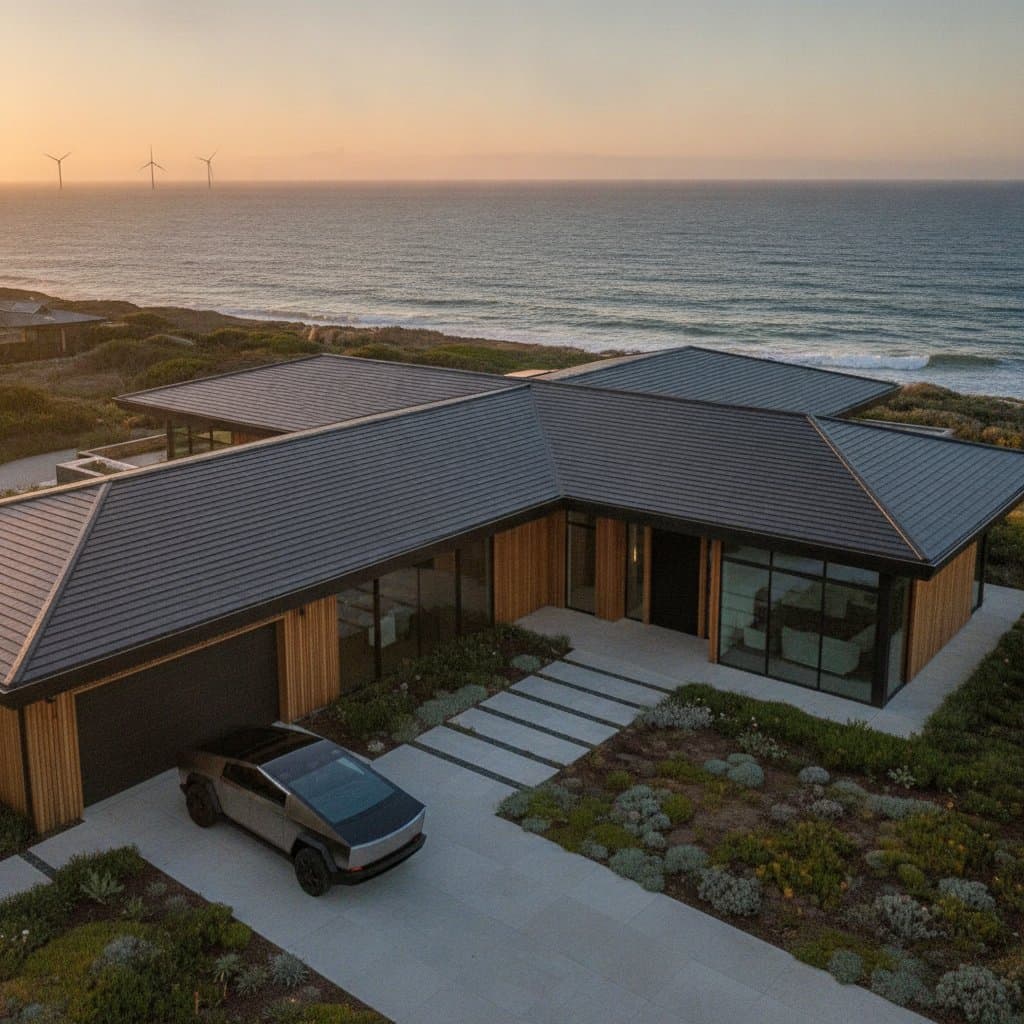
Solar shingles deliver quick 7-year ROI for coastal homes
Picture your coastal home glowing under the soft afternoon sun. The ocean breeze carries cool air through open windows while your electric meter spins backward. Solar shingles capture sunlight, generate clean electricity, and blend seamlessly into your roof. Homeowners near the coast discover that solar shingles can pay for themselves in about seven years.
This guide covers the cost, installation, and benefits of solar shingles for coastal homes. Readers learn how these systems compare to traditional solar panels, what affects pricing, and how to maximize return on investment.
Key takeaway: Solar shingles typically cost between 21000 dollars and 45000 dollars for an average-sized home. Energy savings and solar incentives often produce full return on investment in about seven years.
Cost factors
The cost of solar shingles varies by brand, roof size, and energy needs. Most homeowners spend between 21000 dollars and 45000 dollars for a complete system. The average cost reaches about 32000 dollars, including materials, labor, and permits.
What affects price
- Roof size and slope. Larger or steeply pitched roofs require more shingles and labor. A 2000-square-foot roof generally needs about 350 solar shingles for full coverage.
- Energy output requirements. Households that use more than 900 kilowatt-hours monthly may need a higher-capacity system. This requirement adds to both material and labor costs.
- Material and brand. Premium shingles with higher efficiency ratings cost more upfront but produce more energy over time.
- Roof condition. Roofs that need repairs or reinforcement before installation add between 2000 dollars and 6000 dollars in prep work.
- Permits and inspections. Most coastal municipalities require building permits and electrical inspections. These steps typically cost between 500 dollars and 1500 dollars.
Quick comparison with solar panels
| Feature | Solar Shingles | Traditional Panels |
|---|---|---|
| Appearance | Sleek, low-profile design | Raised, visible panels |
| Cost | 21000 to 45000 dollars | 15000 to 30000 dollars |
| Average ROI | 7 years | 6 to 8 years |
| Roof Integration | Full replacement | Mounted on existing roof |
| Best Use | New roofs or full replacements | Existing roofs |
Solar shingles cost slightly more upfront. They replace traditional roofing materials, so homeowners save on reroofing expenses.
DIY versus professional installation
DIY feasibility
Installing solar shingles is not an easy DIY project. The work involves electrical wiring, roof waterproofing, and structural integration. A small mistake can cause leaks or system failure.
DIY installation might save between 4000 dollars and 8000 dollars in labor. Risks include voided warranties and local code violations. Specialized tools such as inverter testers, roof harnesses, and junction boxes are also required.
Professional installation
Licensed contractors handle all electrical and structural work. They secure permits and ensure compliance with building codes. Professional labor typically costs between 3 dollars and 6 dollars per watt, depending on complexity.
Obtain quotes from top-rated professionals to compare installation packages and warranty coverage. Many installers include 25-year performance warranties and roof protection guarantees.
Ways to save
- Combine with a roof replacement. If the roof is nearing the end of its lifespan, combine the replacement with solar shingle installation. This approach often reduces total expenses by between 5000 dollars and 8000 dollars.
- Claim solar incentives. Federal and local programs often cover 20 percent to 30 percent of installation costs through tax credits and rebates. Check with the city building department for current programs.
- Optimize energy use. Pair solar shingles with energy-efficient appliances and LED lighting. Lower consumption helps reach return on investment faster.
- Choose partial coverage. If the roof has shaded areas, install shingles only on the sunniest sections. This hybrid approach cuts material costs while still delivering strong energy savings.
- Explore solar loans or leases. Many lenders offer zero-down solar loans with fixed monthly payments. Leasing options reduce upfront cost but limit long-term ownership benefits.
Factors to consider before installation
Roof orientation and shading
South-facing roofs with minimal shading perform best. Trim nearby trees or reposition satellite dishes before installation to maximize sunlight exposure.
Coastal weather and corrosion
Salt air can corrode metal components over time. Choose shingles with marine-grade materials and sealed connectors designed for coastal environments.
Maintenance requirements
Solar shingles require low maintenance but still need occasional cleaning. Rinse panels with fresh water every few months to remove salt and dust.
Permit and inspection process
Local building departments often require electrical diagrams and load calculations. The installer typically handles these steps. Verify area requirements early in the planning phase.
Long-term durability
High-quality solar shingles last between 25 and 30 years. They maintain at least 85 percent of original efficiency over time. Roof warranties often match the system lifespan and create a single maintenance schedule.
Maintenance and longevity tips
- Inspect after storms. Check for loose shingles or debris buildup after heavy winds or rain.
- Clean gently. Use a garden hose with low pressure. Never use abrasive brushes or detergents.
- Monitor system output. Most inverters include monitoring apps that track daily production. A sudden drop may indicate a wiring issue or shading problem.
- Schedule annual checkups. Have a professional inspect electrical connections and roof seals once per year.
- Protect from corrosion. Apply anti-corrosive coatings on exposed metal parts near salty ocean spray zones.
FAQs
How long do solar shingles last? Solar shingles typically last between 25 and 30 years with minimal maintenance. They remain efficient and continue producing electricity well beyond the warranty period.
Can solar shingles withstand coastal storms? Yes. High-quality shingles are tested for wind speeds up to 130 miles per hour. They include waterproof seals that prevent moisture intrusion. Always confirm wind and impact ratings before purchase.
Do I need to replace my entire roof? Not always. If the roof is in good shape and less than ten years old, overlay solar shingles may be installed directly on top. Otherwise, a full replacement ensures better long-term performance.
Are solar shingles worth it compared to panels? For coastal homes where aesthetics and corrosion resistance matter, solar shingles often make more sense. They integrate cleanly, resist salt damage, and can provide a faster return on investment when replacing an aging roof.
What maintenance do they require? Only light cleaning and annual inspections. There are no moving parts, so upkeep remains minimal compared to mechanical systems.
Next steps for coastal homeowners
Switching to solar shingles represents a smart energy investment. Coastal homeowners benefit from abundant sunlight, high electricity rates, and generous solar incentives. With a typical payback period of around seven years, long-term savings can exceed 25000 dollars over the system lifetime.
Gather a few quotes, review system options, and compare warranty terms. Once installed, the roof will protect the home and power it at the same time.