
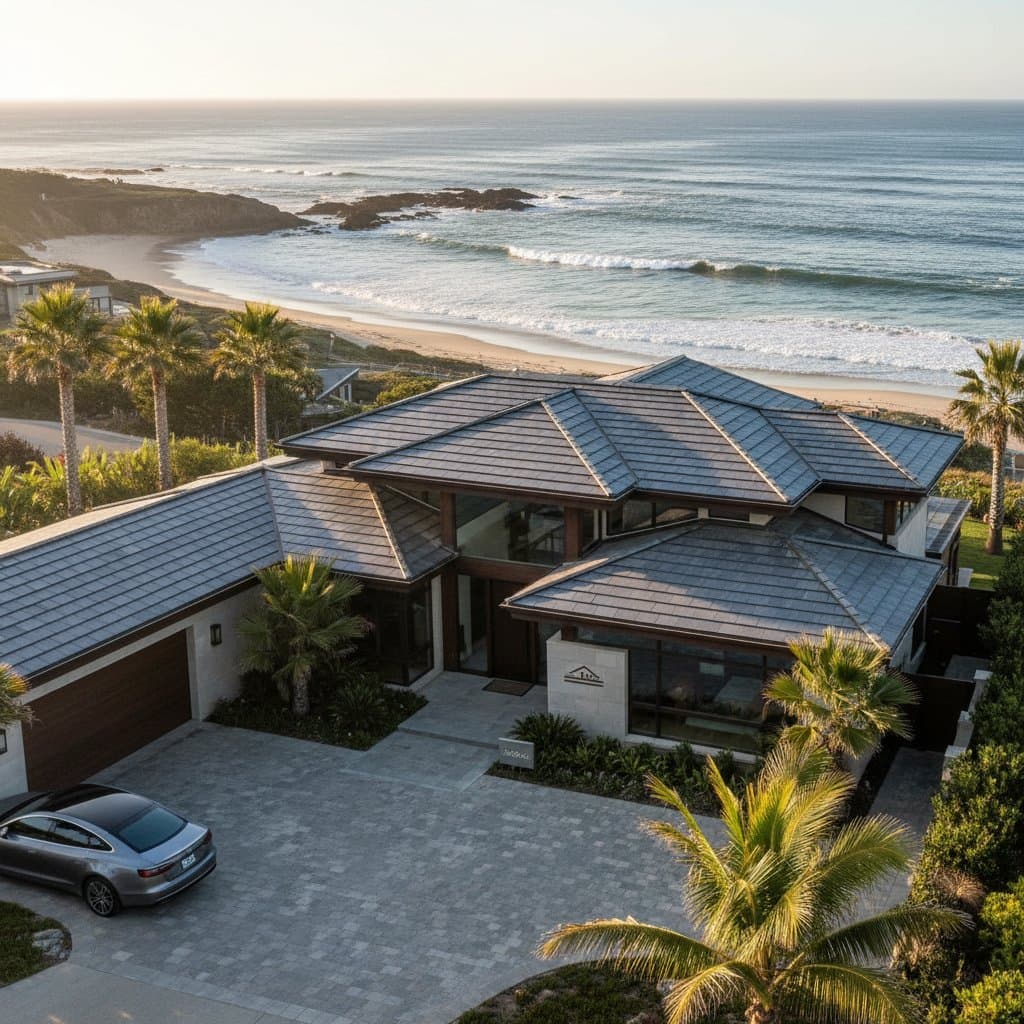
Solar Shingles Deliver Faster Payback for Coastal Properties
Solar shingles represent an innovative fusion of roofing materials and solar technology. These integrated panels generate electricity while protecting homes from the elements. For coastal property owners, they offer unique advantages that accelerate financial returns.
Coastal environments present specific challenges, such as salt exposure and high winds. Traditional solar panels may struggle in these conditions, but solar shingles provide a seamless, durable solution. Homeowners in areas like San Diego benefit from their ability to blend aesthetics with functionality.
Understanding Solar Shingles
Solar shingles function as both roofing tiles and photovoltaic cells. Manufacturers embed thin-film solar technology directly into asphalt or composite shingles. This design eliminates the need for bulky panels, creating a uniform roof appearance.
Installation involves replacing or overlaying existing shingles with these energy-producing versions. Professional roofers ensure proper alignment for optimal sunlight capture. The result is a weatherproof surface that contributes to the home's energy needs.
Key features include flexibility in shape and size, allowing adaptation to various roof pitches. They weigh less than traditional solar arrays, reducing structural demands on older coastal homes. Efficiency rates typically range from 15 to 20 percent, comparable to standard panels.
Advantages in Coastal Settings
Coastal properties face relentless exposure to humidity, UV radiation, and corrosive salt air. Solar shingles resist these factors better than conventional options due to advanced sealing and materials. Their low profile minimizes wind uplift, a common issue in seaside regions.
Energy production remains consistent even in foggy or overcast conditions prevalent along coasts. Built-in microinverters optimize output from each shingle, compensating for partial shading from nearby dunes or trees. This reliability ensures steady power generation year-round.
Aesthetically, solar shingles enhance curb appeal without altering the home's architectural style. They suit beachfront bungalows and modern cliffside residences alike. Property values in coastal markets often rise with such upgrades, attracting eco-conscious buyers.
Calculating Payback Periods
The payback period for solar shingles depends on initial costs, energy savings, and local factors. On average, coastal installations recoup investments in 7 to 10 years, faster than inland properties. High electricity rates in coastal utilities, combined with frequent sunlight, shorten this timeline.
Consider a typical 2,000-square-foot coastal home requiring 10 kilowatts of solar capacity. Installation costs range from $40,000 to $60,000 before incentives. Monthly energy savings of $150 to $250, based on current rates, accelerate returns.
By 2026, projections indicate payback periods dropping to 5 to 8 years. Declining manufacturing costs and improved efficiency drive this trend. Coastal homeowners see amplified benefits from premium utility pricing and potential resale value increases of 4 to 6 percent.
- Assess your home's energy usage through utility bills.
- Obtain quotes from certified installers familiar with coastal conditions.
- Factor in local sunlight hours, averaging 250 to 300 annually in places like San Diego.
- Calculate net costs after tax credits and rebates.
- Project savings using online solar calculators tailored to regional data.
Installation Considerations
Selecting the right solar shingles requires evaluation of roof condition and orientation. South-facing slopes maximize exposure in the Northern Hemisphere. Inspectors check for underlying damage before proceeding, ensuring longevity.
Professional installation takes 1 to 3 days, depending on roof size. Crews secure shingles with specialized adhesives resistant to saltwater corrosion. Post-installation, systems connect to the home's electrical panel, often with battery storage options for outage-prone coastal areas.
Maintenance involves annual cleaning to remove salt residue and debris. Most warranties cover 25 years for performance and weatherproofing. This durability reduces long-term expenses compared to separate panel systems.
Incentives and Financial Support
Federal tax credits cover 30 percent of installation costs through 2032. State programs in California, for example, offer additional rebates for solar adoption. Coastal utilities provide net metering, crediting excess energy back to the grid.
Local incentives target resilient energy solutions in vulnerable areas. Grants for hurricane-prone regions further offset expenses. Homeowners combine these with low-interest loans to minimize upfront payments.
Financing options include solar leases or power purchase agreements. These spread costs over time while delivering immediate bill reductions. Consulting financial advisors helps navigate the best path for individual budgets.
Looking Ahead to 2026
Advancements in solar shingle technology promise even greater efficiency by 2026. Next-generation models may achieve 25 percent conversion rates with lighter, more flexible designs. Integration with smart home systems will optimize energy use automatically.
Policy shifts emphasize renewable energy in coastal zones to combat climate impacts. Expanded incentives could reduce effective costs by half. Market growth ensures competitive pricing and wider availability.
Early adopters position themselves for substantial savings as fossil fuel prices rise. Coastal communities lead this transition, setting examples for sustainable development.
Embracing Solar Shingles for Coastal Resilience
Solar shingles transform coastal homes into efficient, resilient assets. They deliver environmental benefits alongside financial gains, from reduced carbon footprints to enhanced energy independence. Property owners gain peace of mind knowing their roofs contribute to both protection and power.
Investing now aligns with future-proofing against rising energy demands. The combination of durability, incentives, and quick payback makes solar shingles a strategic choice. Coastal living becomes more affordable and sustainable with this innovative technology.