
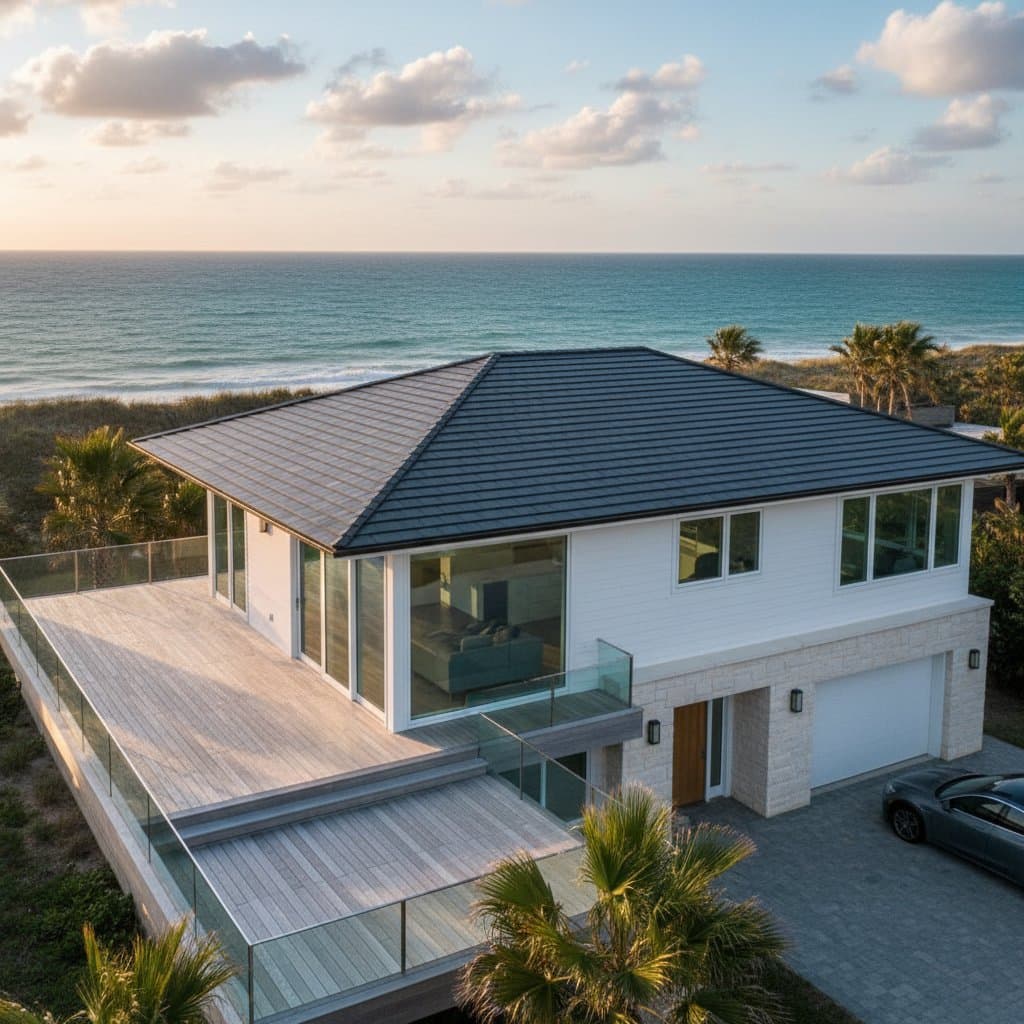
Solar Shingles Integrate Seamlessly with Coastal Home Designs
Solar shingles transform how homeowners approach energy efficiency and visual appeal. These advanced roofing materials integrate the energy-producing capabilities of conventional solar panels with the refined look of ordinary shingles. In coastal settings, where aesthetic cohesion and structural resilience matter most, solar shingles deliver an intelligent, elegant option. They generate renewable power while harmonizing with diverse coastal styles, ranging from contemporary beach houses to Mediterranean estates.
Advantages of Solar Shingles for Coastal Properties
Solar shingles excel by producing sustainable electricity without compromising a home's exterior elegance. Installation expenses for a complete system on a standard coastal residence typically fall between $30,000 and $60,000. Although this exceeds the price of basic asphalt roofs, owners realize substantial gains through lower energy costs, greater self-sufficiency, and enduring financial benefits.
In areas such as San Diego, solar shingles shine due to their effectiveness in abundant sunlight and resistance to saline atmospheres, gusts, and dampness. The streamlined profile aligns with the straightforward contours and earthy hues prevalent in seaside builds.
Image: Elegant coastal home with sleek solar shingles integrated into the roofline
Distinctions Between Solar Shingles and Conventional Solar Panels
Conventional solar panels mount atop existing roofs, resulting in a stacked appearance that may seem cumbersome or utilitarian. Solar shingles, by contrast, substitute for portions of the roof surface. Individual shingles embed photovoltaic cells that transform sunlight into usable power, akin to panels, yet achieve a subtler, more unified presentation.
| Feature | Solar Shingles | Traditional Solar Panels |
|---|---|---|
| Appearance | Blends with roof | Mounted and visible |
| Installation | Replaces roofing material | Added on top of roof |
| Cost per watt | $3.80 to $6.00 | $2.50 to $4.00 |
| Maintenance | Low | Moderate |
| Durability | 20 to 30 years | 25 to 30 years |
This comparison clarifies the shift many owners make toward solar shingles, particularly when prioritizing style and structural fit.
Image: Close-up of solar shingles integrated with standard asphalt shingles
Achieving Design Cohesion in Coastal Settings
Coastal residences prioritize equilibrium, organic elements, and environmental ties. Solar shingles support these ideals through preserved roof silhouettes and subdued shades. Producers provide options in shades like slate gray, ebony, or softened copper to coordinate with typical seaside roof schemes.
Merging Aesthetics and Environmental Responsibility
Design professionals value solar shingles for uniting eco-friendliness with visual grace. Distinct from protruding panels, these shingles uphold a property's architectural essence, regardless of whether it incorporates board-and-batten siding, plaster finishes, or timber panels. Set against tropical foliage or facing the sea, solar shingles foster a unified aesthetic that conveys modernity alongside enduring charm.
Image: Modern coastal villa with solar shingle roof and ocean view
Elements Affecting Solar Shingle Installation Expenses
Multiple variables determine the total expense of solar shingles for seaside homes:
- Roof dimensions and intricacy: Expansive or tiered roofs demand additional supplies and effort.
- Power requirements: Properties with elevated energy use necessitate greater shingle coverage to fulfill objectives.
- Current roof state: Overhauling worn or compromised surfaces increases outlays.
- Brand quality and output efficiency: Superior shingles with enhanced wattage command higher prices but yield more electricity.
- Regional support programs: Discounts and fiscal offsets can markedly reduce the overall outlay.
Owners anticipate a premium initial investment relative to basic panels, yet the fluid integration and multifunctional role of shingles frequently validate the expenditure.
Performance and Efficiency in Seaside Environments
Seaside zones pose distinct hurdles for roof coverings, such as elevated moisture, saline contact, and fierce breezes. Solar shingles resist degradation and water ingress. Numerous variants include hardened glass layers and impermeable joints that shield against maritime elements.
Under clear skies, solar shingles generate 10 to 15 kilowatts for a typical household, contingent on roof pitch and orientation. Such production offsets much of a residence's annual power needs.
Image: Rooftop solar shingles glistening under coastal sunlight
Upkeep and Service Life
Solar shingles demand little ongoing care post-installation. Periodic rinsing with water and gentle cleanser clears saline residues and debris that might impair output. Absent from shingles are the vulnerable edges or conduits found on panels, minimizing chances of rust or structural fatigue.
Systems generally include guarantees spanning 20 to 30 years, encompassing output reliability and material strength. As they serve dual roles in sheltering and energizing, these installations preclude distinct roof renewals within the assurance timeframe.
Financial Returns and Property Appreciation
Solar shingle additions elevate home worth by 3 to 5 percent in sustainability-oriented locales. Prospective purchasers favor the blend of contemporary form and green innovation. Payback periods average 60 to 80 percent, influenced by regional power tariffs and available aids.
| Benefit | Description | Estimated ROI |
|---|---|---|
| Energy savings | Reduction in utility bills | 70% average ROI |
| Tax incentives | Credits and rebates | 20% to 30% savings |
| Property value | Increased resale appeal | 3% to 5% higher value |
For those intending extended stays in coastal areas, the power reductions and design merits surpass upfront costs.
Strategies for Installation Planning and Financial Management
Orchestrating a solar shingle project involves meticulous fiscal oversight and collaboration with skilled experts. Consider these essential actions:
- Assess roof integrity. Engage a structural review to confirm suitability for the upgraded covering.
- Solicit multiple bids. Obtain detailed proposals from licensed solar specialists.
- Examine guarantees. Seek broad protections for power generation and roof endurance.
- Incorporate energy storage. Evaluate battery integration to capture surplus for evening use.
- Allocate for surprises. Reserve 10 to 15 percent of the budget for unforeseen costs.
These measures promote efficient execution and sustained efficacy.
Frequently Asked Questions on Solar Shingles
What materials compose solar shingles?
Solar shingles consist of reinforced glass, solar cells, and robust polymer bases engineered for thermal and saline endurance.
Do solar shingles function during overcast conditions?
Yes. They produce power via diffused light, albeit at marginally lower levels than under direct sun.
Are solar shingles compatible with all roof configurations?
They suit inclined roofs with ample solar access. Level or obstructed surfaces might need custom adaptations.
Do solar shingles endure severe weather?
Most endure elevated winds and intense precipitation, rendering them apt for maritime zones.
What is the lifespan of solar shingles?
They endure 20 to 30 years, paralleling traditional shingle longevity.
Embracing Coastal Resilience Through Solar Shingles
Owners adopting solar shingles secure advantages beyond mere cost reductions. They attain assurance in residences fortified against seaside rigors while advancing ecological aims. The unobtrusive, embedded design of solar shingles preserves the poised allure of coastal forms.
Through thoughtful preparation and proficient setup, solar shingles elevate shoreline dwellings into efficient, style-conscious sanctuaries that embody seaside vitality and propel toward sustainable horizons.