
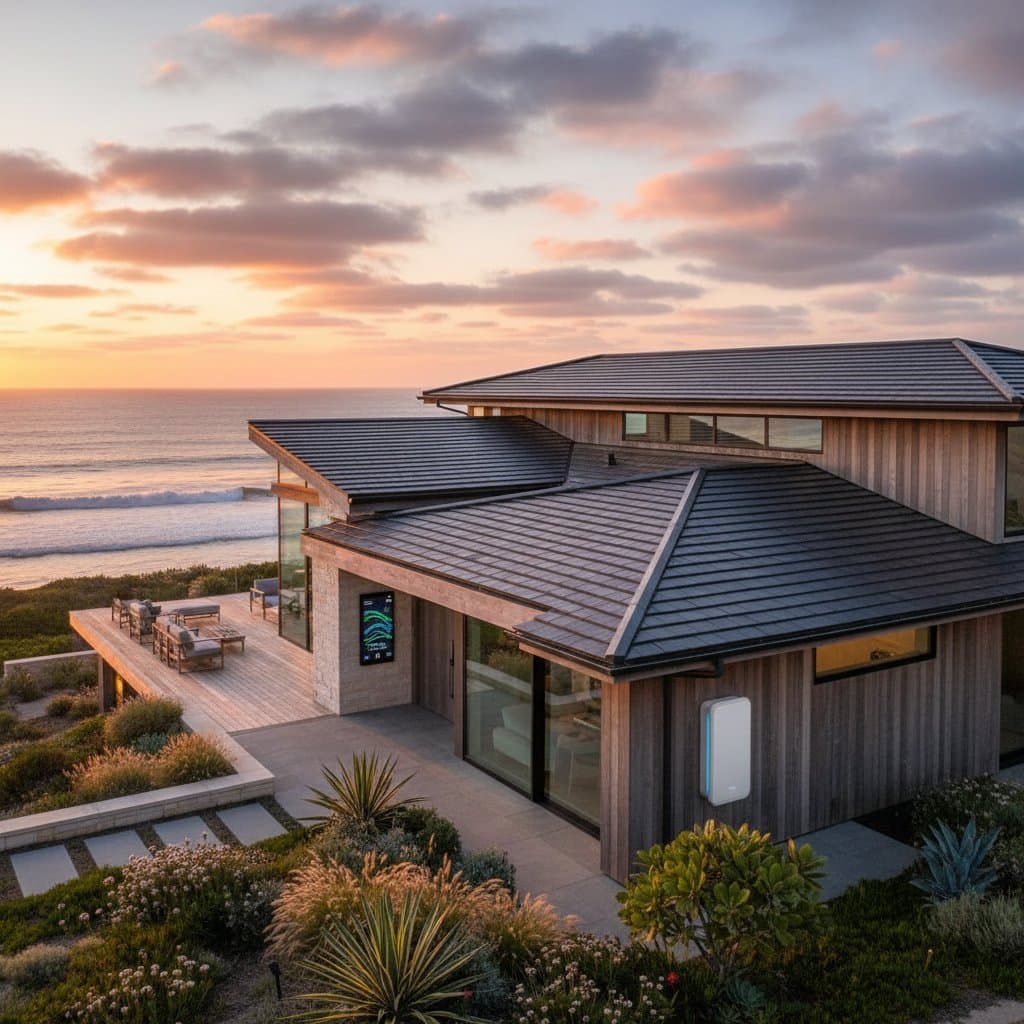
Solar Shingles: Integrating Aesthetics and Efficiency on Coastal Homes
Solar shingles represent an innovative roofing solution that combines the functionality of solar panels with the appearance of traditional shingles. These products allow homeowners to generate clean energy without compromising the visual appeal of their properties. For coastal residences, where weather conditions demand resilience, solar shingles offer a practical way to enhance sustainability and reduce utility expenses.
Coastal environments present unique challenges, including high winds, salt exposure, and intense sunlight. Standard solar installations often disrupt the architectural harmony of beachfront homes. Solar shingles address these issues by embedding photovoltaic cells directly into roofing materials, creating a seamless and durable surface.
Understanding Solar Shingles
Solar shingles function similarly to conventional solar panels but integrate into the roof structure. Each shingle contains small solar cells that capture sunlight and convert it into electricity for home use. Manufacturers design these shingles to withstand harsh conditions, making them ideal for coastal applications.
Installation requires professional assessment to ensure compatibility with existing roof frameworks. The process typically involves removing old shingles and laying the new solar-integrated layer. Homeowners benefit from incentives such as tax credits that offset initial costs.
Key Advantages for Coastal Properties
Coastal homes face relentless exposure to corrosive elements. Solar shingles feature protective coatings that resist salt buildup and UV degradation. This durability extends the lifespan of the roof while generating renewable energy.
Energy production from solar shingles can significantly lower electricity bills. In sunny coastal regions, these systems maximize output during peak daylight hours. Integration with home energy grids allows for efficient power distribution and storage.
Aesthetically, solar shingles mimic slate, wood, or asphalt varieties, preserving the charm of traditional coastal architecture. They eliminate the bulky appearance of mounted panels, enhancing property values and neighborhood compliance.
11 Essential Upgrades for Solar Shingles
Selecting the right upgrades transforms a basic solar shingle installation into a high-performance system. These enhancements focus on durability, efficiency, and integration tailored to coastal demands. Below is a curated list of 11 practical options.
-
Weather-Resistant Coatings: Apply specialized sealants that shield against saltwater corrosion and humidity. These coatings prevent degradation and maintain energy output over decades.
-
Wind-Resistant Anchoring Systems: Use reinforced clips and adhesives designed for high-wind zones. This upgrade secures shingles during storms common to coastal areas.
-
UV-Protective Layers: Incorporate films that block ultraviolet rays, reducing heat absorption and extending shingle longevity. Such layers also improve overall energy efficiency.
-
Integrated Micro-Inverters: Attach small inverters to each shingle for optimized power conversion. This setup minimizes energy loss and allows individual shingle monitoring.
-
Battery Storage Modules: Pair shingles with compact home batteries to store excess energy. Access stored power during evenings or outages, ensuring reliability in remote coastal settings.
-
Smart Energy Management Apps: Connect to mobile applications for real-time performance tracking. Users adjust consumption patterns based on weather forecasts and usage data.
-
Aesthetic Color Blends: Choose shingles in neutral tones that match existing roof aesthetics. This customization maintains curb appeal while delivering functional benefits.
-
Thermal Insulation Backing: Add insulating materials beneath shingles to regulate indoor temperatures. Coastal homes stay cooler in summer and warmer in winter, reducing HVAC demands.
-
Fire-Resistant Materials: Select shingles certified for flame resistance, crucial in dry coastal climates prone to wildfires. These materials comply with stringent safety standards.
-
Modular Expansion Kits: Opt for scalable designs that allow future additions without full roof replacement. This flexibility accommodates growing energy needs over time.
-
Eco-Friendly Recycling Options: Choose manufacturers offering end-of-life recycling programs. This upgrade supports sustainability by minimizing environmental impact from roof disposal.
Implementation Steps for Homeowners
Begin by evaluating your roof's condition and orientation toward the sun. Consult certified installers familiar with coastal regulations to assess feasibility. Obtain quotes that include these upgrades for a comprehensive cost analysis.
During planning, prioritize upgrades based on local climate risks, such as wind or salt exposure. Secure necessary permits and explore financing through green energy programs. Professional installation ensures optimal placement and wiring.
Post-installation, monitor system performance through provided tools. Schedule annual inspections to address any wear from environmental factors. These steps maximize return on investment and system reliability.
Realizing Long-Term Benefits
Adopting solar shingles with targeted upgrades yields substantial savings on energy costs. Homeowners report reductions of up to 50 percent in monthly bills, depending on usage and sunlight availability. The investment pays for itself within 7 to 10 years through energy generation and incentives.
Environmentally, these systems cut reliance on fossil fuels, lowering carbon footprints for coastal communities. Enhanced roof durability reduces maintenance needs, freeing resources for other home improvements. Ultimately, solar shingles elevate both the performance and allure of seaside living.