
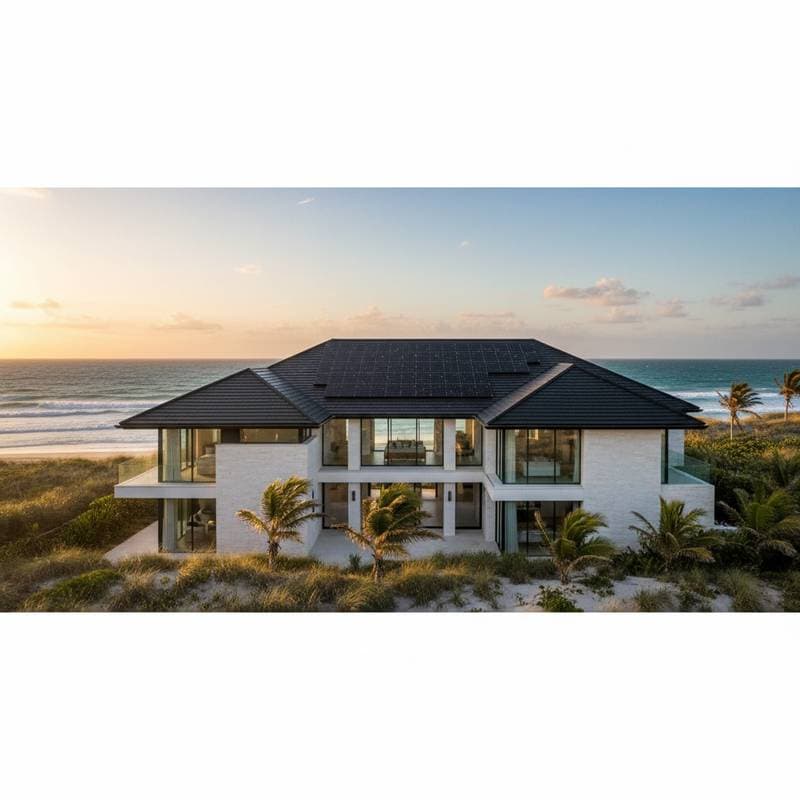
Solar Shingles Excel in Coastal Environments
Coastal living presents appealing lifestyles alongside specific maintenance demands for residences. Salt-laden air, elevated humidity levels, and forceful winds degrade exterior components more rapidly than in inland areas. For property owners in regions such as San Diego, selecting appropriate roofing solutions significantly influences enduring robustness and power conservation. Solar shingles emerge as an innovative choice, merging sustainable energy production with resilience to environmental stressors and refined visual integration.
This overview details the advantages of solar shingles over conventional roofing in seaside settings, installation considerations, and strategies for safeguarding the investment over extended periods.
Understanding Solar Shingles
Solar shingles, also known as photovoltaic shingles, function as dual-purpose roof coverings that produce electricity while shielding the structure beneath. Integrated solar cells within each shingle absorb sunlight and transform it into electrical energy for household use. In contrast to prominent solar panels, these shingles integrate flatly and harmonize with conventional roofing elements.
Distinctions from Traditional Solar Panels
Conventional solar panels mount atop an existing roof framework, whereas solar shingles supplant portions or the entirety of the roofing layer. This embedded approach enhances resistance to wind forces and corrosive elements, issues prevalent in coastal locales.
Primary Advantages for Seaside Properties
- Enhanced Durability: Constructed from tempered glass and protective coatings resistant to corrosion, solar shingles withstand salt exposure and dampness effectively.
- Visual Harmony: The streamlined profile suits both contemporary and classic architectural styles.
- Power Conservation: Generation of renewable electricity diminishes dependence on utility networks and decreases monthly energy expenditures.
- Elevated Property Worth: Residences equipped with solar roofing frequently receive higher valuations owing to sustained cost reductions and eco-friendly attributes.
Superior Longevity of Solar Shingles in Coastal Conditions
Seaside atmospheres hasten deterioration of standard construction materials. Asphalt shingles may fracture or shed protective granules, while untreated metal surfaces develop rust. Solar shingles receive specialized engineering to confront these adversities.
Defense Against Salt and Humidity
In proximity to the ocean, saline atmosphere erodes metals and compromises roofing attachments. Solar shingles incorporate anti-corrosive compositions and sealed perimeters to block salt penetration. The tempered glass exterior averts oxidation and staining despite persistent marine influence.
Resilience to Winds and Storms
Solar shingles undergo rigorous wind evaluations to endure powerful gusts capable of dislodging lighter coverings. Their flush mounting to the roof substrate minimizes openings for wind or particulate matter to infiltrate. This firm attachment lowers the likelihood of detachment amid severe weather events.
Safeguards from Heat and Ultraviolet Rays
Seaside areas experience prolonged intense solar radiation annually. Solar shingles accommodate elevated ultraviolet levels without color loss or deformation. Numerous variants feature thermal-dispersing strata that moderate shingle and underlying attic temperatures, thereby prolonging overall roof lifespan and enhancing interior livability.
Reduced Upkeep Requirements
Conventional roofs in saline environments necessitate frequent decontamination to eliminate buildup of corrosion and fungal growth. Solar shingles demand considerably less attention. Periodic washing with water and scheduled expert evaluations suffice to sustain optimal functionality, attracting owners seeking efficient, energy-producing solutions with minimal intervention.
Preparing and Financing Solar Shingle Projects
Prior to committing to solar shingles, evaluate fiscal and operational elements thoroughly. Expenses fluctuate based on geographic factors, manufacturer options, and project intricacies, positioning solar shingles as a higher initial outlay compared to asphalt or clay alternatives.
Cost Projections
Across the United States, installation expenses for solar shingles span approximately $20,000 to $60,000, influenced by roof dimensions, desired energy output, and regional workmanship charges. Obtain comprehensive estimates from qualified specialists. Anticipate that diminished utility payments will recoup a substantial portion of the upfront expenditure progressively.
Disclaimer: Costs differ markedly according to site, selections, and undertaking scale. Secure several proposals prior to finalizing choices.
Assessing Enduring Worth
With diligent maintenance, solar shingles endure 25 to 30 years. Their capacity to yield clean power enables partial cost recovery via utility bill reductions and available renewable energy rebates. This extended service life and productivity frequently render them more economical than sequential roof renewal followed by panel additions.
Factoring in Roof Configuration and Sun Exposure
Solar shingle efficacy hinges on roof pitch and solar access. Orientations facing south maximize energy capture. For structures with varied inclines or obstructions like foliage, expert evaluations identify optimal layouts to achieve peak performance.
Selecting Qualified Installation Professionals
The choice of installer holds equal importance to the shingle selection itself. Substandard workmanship may curtail roof durability and impair power generation.
Verifying Credentials and Coverage
Confirm that the installer possesses requisite state certifications for roofing and electrical tasks. Ensure provision of general liability insurance and workers' compensation to shield against liability risks.
Seeking Manufacturer Endorsements and Past Work
Inquire about certification from the solar shingle producer. Such credentials indicate familiarity with proprietary techniques. Solicit references from nearby installations and inspect completed sites to gauge craftsmanship standards.
Securing Comprehensive Agreements
Demand a precise written agreement detailing component descriptions, schedules, aggregate pricing, and guarantee provisions. Shun ambiguous projections or oral assurances. Robust documentation safeguards interests on both sides.
Sustaining Solar Roof Performance Over Time
Post-installation, solar shingles involve limited routine care, yet consistent practices secure maximum efficiency across years.
Standard Cleaning Protocols
Flush the surface with fresh water several times annually to clear salt deposits and particulates. Refrain from harsh detergents or high-pressure methods, which risk surface abrasion.
Arranging Expert Reviews
Arrange technician visits biennially or triennially to inspect electrical linkages, accumulated debris, or deteriorating seals. These checks also confirm system output aligns with expectations.
Tracking Output Metrics
Contemporary solar shingle setups offer mobile applications or online interfaces for monitoring power production. Regular oversight enables prompt identification of declines, potentially signaling required adjustments or environmental interferences.
Frequently Asked Questions
How long do solar shingles last in coastal climates?
Solar shingles endure approximately 25 to 30 years with appropriate maintenance. Their corrosion-resistant properties suit saline and moist atmospheres exceptionally well.
Are solar shingles more expensive than traditional roofing?
Initial costs exceed those of standard options, yet integrated power generation offsets ongoing energy costs. This positions them as prudent choices for fiscal and ecological gains over the long term.
Can solar shingles handle high winds and storms?
Most models receive ratings for substantial wind speeds and precipitation volumes. The integrated design reduces aerodynamic lift, enhancing stability relative to loose-laid shingles in maritime tempests.
Do solar shingles require special maintenance?
Upkeep remains straightforward. Infrequent water rinses and periodic professional assessments typically maintain high operational standards.
Can I install solar shingles on an existing roof?
Solar shingles generally necessitate complete roof replacement for integration. Certain hybrid approaches accommodate prior surfaces, though full substitution yields superior efficiency and uniformity.
Will solar shingles change the look of my home?
Solar shingles integrate discreetly, preserving the residence's original appearance. Their slim form avoids the protrusions associated with mounted panels, ensuring architectural consistency.
Are there incentives for installing solar shingles?
Various federal tax credits, such as the Investment Tax Credit, and state-specific rebates support solar installations. Local utility programs may offer additional net metering benefits; consult current regulations for eligibility.
Optimizing Returns from Your Coastal Solar Roof
Solar shingles deliver enduring protection and power independence tailored to seaside demands. Homeowners benefit from fortified resilience, streamlined maintenance, and progressive energy autonomy. By selecting quality materials and professional execution, coastal properties achieve heightened value and sustainability for generations.