
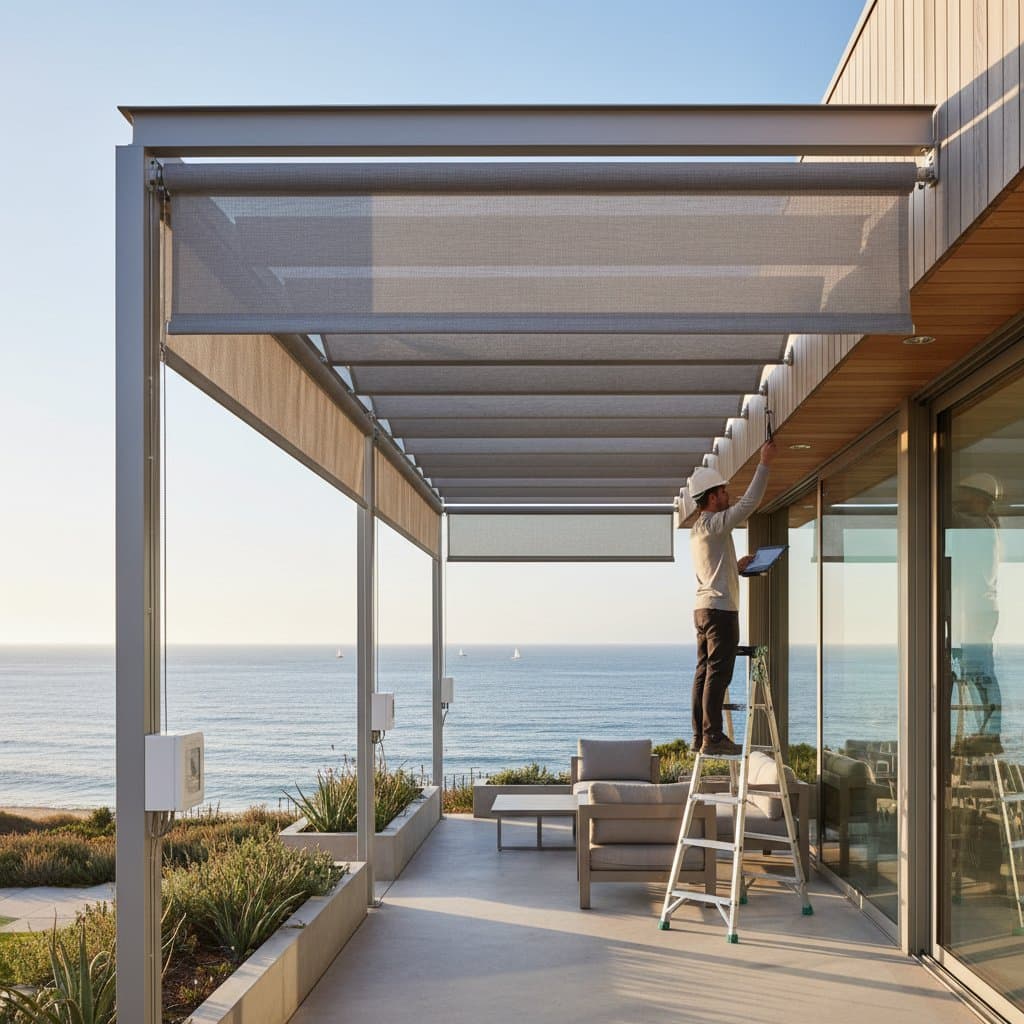
Slash Coastal Cooling Costs by 50 Percent with Solar Shades
Coastal living brings the allure of ocean breezes and abundant sunlight, yet it also intensifies the challenge of managing indoor heat. Homeowners in these areas frequently contend with elevated cooling expenses as direct sun exposure turns comfortable spaces into overheated zones. Solar shades provide an effective remedy by rejecting heat while allowing natural light and views to persist, potentially reducing cooling bills by up to 50 percent.
This article explores the mechanics of solar shades, their pricing structure, and selection criteria suited to coastal environments. It includes guidance on installation methods, cost-saving strategies, and upkeep routines to enhance your home's energy performance.
Key takeaway: Expect to invest between $200 and $2,500 per window, with an average of $900 for complete setup. These installations can lower indoor temperatures by multiple degrees and decrease energy consumption substantially. For optimal results, obtain estimates from qualified professionals to evaluate both expenses and customization possibilities.
Article Overview
- Cost influences
- Shade varieties and features
- Installation: DIY or professional
- Strategies for savings
- Frequently asked questions
Cost Influences
Solar shades typically range from $200 to $2,500 per window, influenced by fabric choices, dimensions, and operational features like motorization. A standard window setup, including labor, averages around $900.
Detailed pricing categories:
- Manual fabric varieties: $200 to $600
- Motorized or automated models: $800 to $2,000
- Exterior solar screens: $1,000 to $2,500
Primary cost determinants:
- Fabric durability: Premium materials with enhanced UV resistance command higher prices yet offer extended service life.
- Openness rating: Options with 1 to 5 percent openness provide maximum heat rejection at a modest premium.
- Smart features: Integration with remote controls or apps elevates convenience and expense.
- Mounting demands: Oversized openings or multi-panel configurations necessitate specialized tools and expertise.
- Regulatory compliance: In wind-prone coastal regions, reinforced fixtures may incur additional fees to meet building standards.
Shade Varieties and Features
Interior Solar Shades
These shades attach within the window recess, diffusing incoming rays to reduce glare without fully obscuring sightlines.
Ideal applications: Spaces such as sleeping quarters, gathering areas, or workspaces where light control supports daily activities.
They suit various decor schemes and install with minimal disruption, making them renter-friendly.
Advantages: Cost-effective, aesthetically versatile, and user-friendly for adjustments.
Limitations: They offer moderate protection against heat buildup on window surfaces.
Photo: Martin Barraud / Getty Images
Exterior Solar Screens
Positioned externally on windows or across patios, these barriers intercept solar energy prior to its contact with building materials.
Ideal applications: Residences featuring expansive, sun-exposed glazing or areas designated for al fresco gatherings.
Advantages: Exceptional thermal regulation and safeguarding of interior elements from fading.
Limitations: Elevated initial outlay and frequent need for expert fitting.
Photo: Thomas Northcut / Getty Images
Retractable Solar Awnings
These versatile structures deploy to shield against midday intensity and retract to permit evening illumination.
Ideal applications: Elevated platforms or terraces serving as extensions of living space.
Advantages: Customizable shading levels and enhanced visual appeal.
Limitations: Mechanisms require periodic inspection to prevent wear.
Photo: Mint Images / Getty Images
Installation: DIY or Professional
For those inclined toward self-directed tasks, interior solar shades represent a feasible project requiring basic tools. Begin by taking precise measurements, ensuring level placement, and fastening supports to structural elements. Completion per window generally spans one to two hours.
Exterior screens and retractable awnings demand professional intervention due to factors like alignment precision, wiring for automation, and resilience against environmental stresses. Experts guarantee adherence to safety norms and prolonged functionality.
Practical advice: In regions susceptible to gusty winds, specify hardware engineered for corrosion resistance and secure anchoring to withstand coastal conditions.
Strategies for Savings
- Consolidate purchases: Acquire several units simultaneously to leverage volume pricing from suppliers.
- Opt for basic controls: Select non-motorized versions unless remote operation proves essential.
- Pursue incentives: Investigate utility programs that reimburse portions of energy-efficient upgrades.
- Prioritize high-impact areas: Focus initial efforts on exposures receiving the most afternoon sun.
- Commit to routine care: Regular cleaning preserves efficiency and delays replacement needs.
Upkeep Recommendations
Preserve the appearance and performance of solar shades through monthly fabric treatments using a damp cloth. Remove accumulated particles with gentle vacuuming. In saline atmospheres, routinely check fittings for degradation and lubricate pivot points with appropriate sprays annually. Diligent maintenance supports a decade or longer of reliable use.
Frequently Asked Questions
By what margin do solar shades diminish cooling expenses?
These shades can halve energy demands for air conditioning, contingent on window alignment and fabric density. They excel in intercepting direct solar gain.
What maintenance do solar shades require in coastal settings?
Address salt residue promptly with freshwater rinses and protect metal components from oxidation through seasonal applications of protective coatings.
Are solar shades suitable for renters?
Interior models install without permanent alterations, allowing easy removal and reinstallation at new locations.
Implement Solar Shades for Coastal Comfort
Investing in solar shades equips coastal dwellings with balanced climate control, interior preservation, and notable reductions in utility outlays. Select configurations that align with your lifestyle, from straightforward interiors to advanced exteriors, and experience enhanced livability from installation onward.