
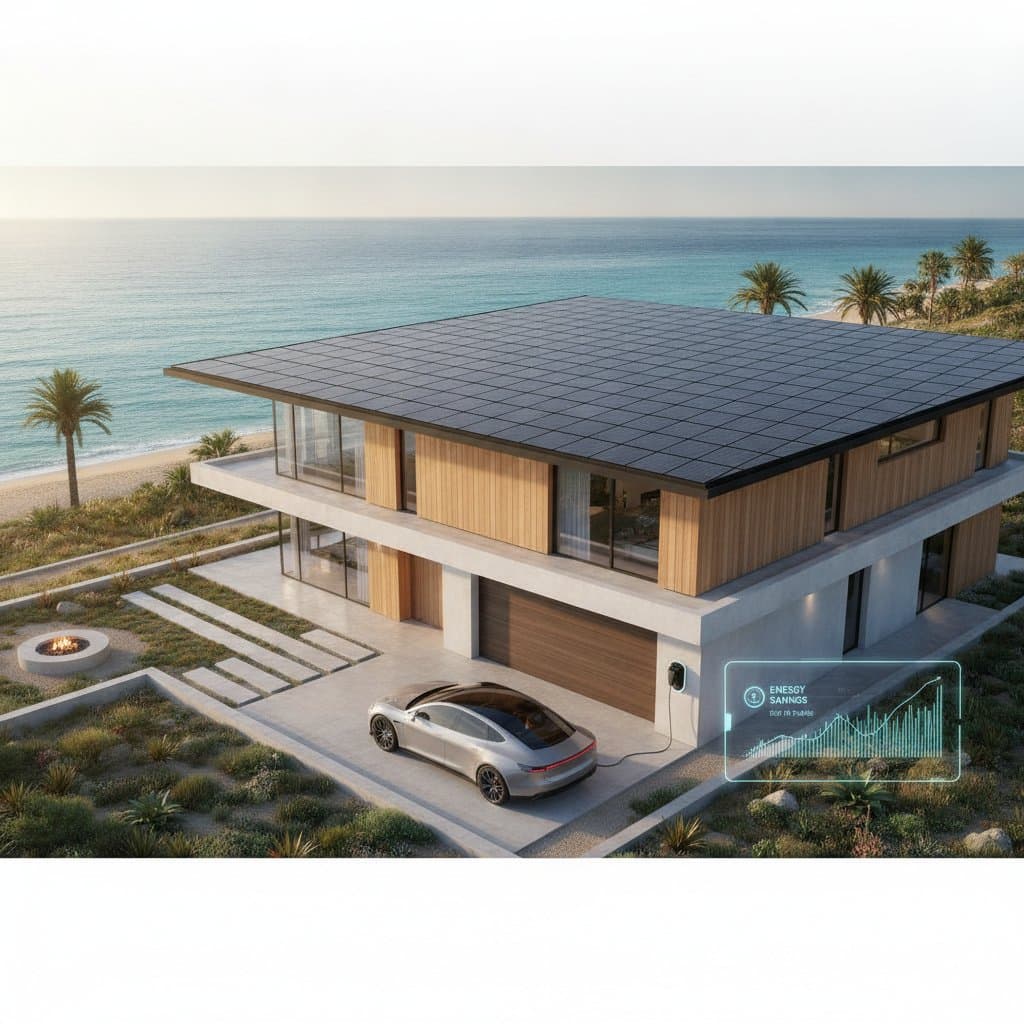
Solar Roof Tiles That Pay for Themselves in Six Years
Homeowners across coastal regions are discovering that solar roof tiles offer a smart way to cut energy costs while improving property value. For many, the promise of tiles that can pay for themselves in about six years sounds impressive. This outcome is realistic when the right factors align. This guide explains how solar roof tiles work, what influences their payback period, and how homeowners can make sure their investment truly delivers long-term savings.
If you are considering a roof replacement or energy-efficient remodel, understanding the economics and installation process of solar roof tiles will help you make a confident decision that benefits both your home and the environment.
Understanding Solar Roof Tiles
Solar roof tiles, sometimes called solar shingles, are small photovoltaic modules designed to look like standard roofing materials. They convert sunlight into electricity, just like traditional solar panels, but provide a more seamless visual appearance. Unlike bulky panels mounted on top of a roof, solar tiles integrate directly into the roofing surface. This means they serve two purposes: protecting your home from the elements and generating renewable energy.
The technology has advanced significantly, allowing these tiles to blend with different roofing styles while maintaining durability and efficiency.
How They Work
Each tile contains layers of photovoltaic cells that absorb sunlight and convert it into direct current electricity. An inverter then transforms that direct current power into alternating current, which your home appliances use. Any excess energy can be stored in a battery system or sent back to the power grid, earning you credits through net metering programs.
Key Benefits
- Aesthetic appeal: Solar tiles match the roofline and come in various tones, making them visually appealing for design-conscious homeowners.
- Increased home value: Energy-efficient upgrades often boost resale value.
- Durability: High-quality solar roof tiles resist wind, salt air, and moisture, which is especially important in coastal climates.
- Reduced energy bills: Once installed, they can significantly lower monthly utility costs.
Estimating the Payback Period
The average payback period of around six years depends on several variables that influence total costs and long-term savings. Understanding these factors helps you calculate whether your home can achieve similar results.
Factors That Affect ROI
- Installation Cost: Prices vary depending on the roof size, tile brand, and complexity of the installation. National averages often range from moderate to high compared with standard roofing materials. Labor costs in coastal cities may be higher due to accessibility and local regulations.
- Energy Consumption: Homes with higher daily energy use will see faster returns since more solar power offsets more utility expenses.
- Sun Exposure: The more direct sunlight your roof receives, the more electricity the tiles generate. South- or west-facing roofs typically perform best.
- Incentives and Rebates: Federal, state, and local incentives can significantly shorten the payback period. Many programs offer tax credits or rebates for renewable energy installations.
- Electricity Rates: Areas with higher utility prices make solar power more financially beneficial. Coastal homeowners often experience premium electricity rates, which improves potential savings.
Sample Calculation
If a system costs 25000 dollars to install and saves about 4000 dollars annually in reduced energy costs, the payback period would be roughly six years. After that, the electricity produced is essentially free, aside from minimal maintenance. Actual savings vary widely based on climate, roof size, and energy habits.
Prices and savings differ by location, materials, and local utility rates. Always request multiple estimates and review them carefully before making any financial decisions.
Planning Your Solar Roof Tile Project
A solar roof tile installation is more complex than adding panels to an existing roof. It often involves replacing the entire roofing surface, so careful planning is essential.
Step 1: Evaluate Your Roof
Before contacting installers, assess the age and condition of your roof. If it is nearing the end of its lifespan, replacing it with solar tiles may be cost-efficient. If the roof is relatively new, you may compare the benefits of waiting until the next replacement cycle.
Step 2: Get a Professional Energy Assessment
A certified solar contractor can analyze your energy usage, roof orientation, and local sunlight patterns. This assessment ensures your system is properly sized and designed to meet your household needs.
Step 3: Compare Bids and Brands
Request detailed proposals from at least three licensed contractors. Each bid should include equipment brand and efficiency rating, estimated energy production per year, total installed cost, warranty details for tiles and inverters, and projected payback period. Always check a contractor license, insurance, and references. A reputable professional will welcome questions and provide clear documentation.
Step 4: Review Financing and Incentives
Homeowners can fund solar roof tiles through cash payment, home equity loans, or solar financing programs. Some companies offer flexible payment plans where monthly installments are offset by energy savings. Review all options carefully and confirm eligibility for any available rebates or credits.
Step 5: Schedule Installation and Inspection
The installation process can take several days, depending on the roof complexity. After completion, a local building inspector or utility representative will verify that the system meets safety and electrical standards before it is activated.
Maintaining and Maximizing Efficiency
Solar roof tiles require minimal upkeep but still benefit from periodic inspection. Keeping your system in top condition ensures it continues to produce optimal energy output for decades.
Routine Maintenance Tips
- Clean debris: Remove leaves, dust, or salt residue from the tiles using a soft brush or low-pressure water spray.
- Check inverters: Confirm that indicator lights show normal operation.
- Monitor energy production: Many systems include apps or dashboards that track real-time performance.
- Schedule professional inspections: Annual checkups help detect any wiring or connection issues early.
Extending Longevity
Choose tiles with strong warranties and certified weather resistance. In coastal regions, salt corrosion can be a concern, so select products with marine-grade coatings or protective finishes.
Frequently Asked Questions
How do solar roof tiles differ from traditional solar panels?
Solar tiles replace roofing materials entirely, while panels sit on top of an existing roof. Tiles are more integrated and visually appealing, but installation costs are usually higher.
Can solar roof tiles work on any type of roof?
Most systems are compatible with asphalt shingle, concrete tile, or metal roofs. Complex structures or shaded areas may require design adjustments to achieve full efficiency.
What maintenance is required over time?
Solar tiles need little maintenance beyond cleaning and regular performance checks. Professional inspections every year or two help ensure consistent output.
Do solar tiles increase home value?
Yes. Homes with renewable energy systems often sell for more because buyers are attracted to lower utility costs and modern technology. The exact increase depends on local market conditions.
What happens during cloudy or rainy days?
Solar roof tiles still produce electricity in indirect light, though at a reduced rate. A battery storage system or grid connection can supply power when sunlight is limited.
Are there warranties for solar roof tiles?
Most manufacturers offer warranties ranging from two to three decades for power output and durability. Always confirm coverage details before purchase.
Can I install solar roof tiles myself?
DIY installation is not recommended. Solar roof tile systems involve electrical and structural work that must meet code requirements. Hiring a licensed professional ensures safety and optimal performance.
Selecting the Right System for Long-Term Savings
Homeowners who evaluate roof condition, compare multiple bids, and secure available incentives position themselves for reliable returns. Proper maintenance extends system life and protects the initial investment over decades.