
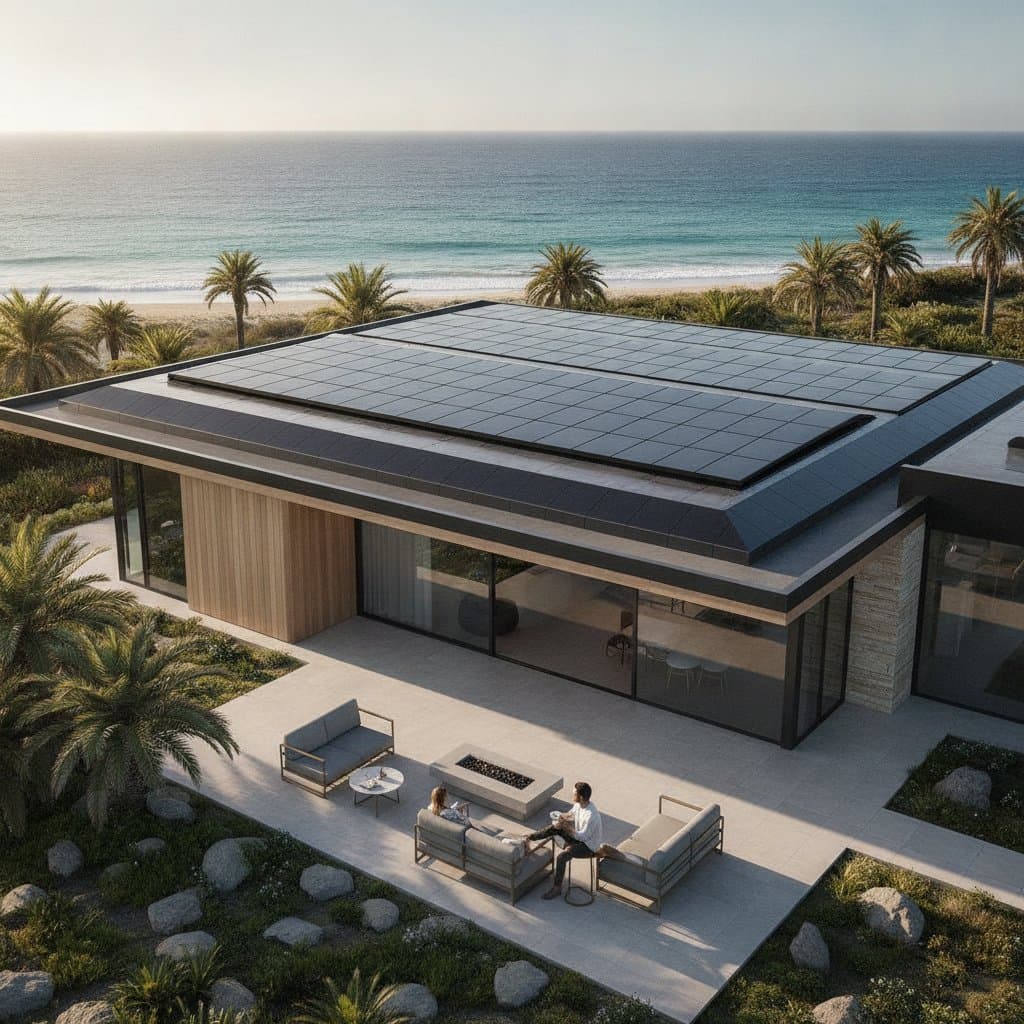
Solar Roof Shingles for Coastal Remodels in 2026
Imagine standing in your backyard on a calm coastal morning. Sunlight reflects from your remodeled roof while it generates clean energy for the home. Solar roof shingles deliver this combination of appearance and performance. They suit coastal properties by providing energy savings alongside resistance to local weather conditions.
This guide examines costs, coastal performance factors, installation choices, and expected returns. Average installation falls between 25000 dollars and 55000 dollars. Most homeowners pay around 38000 dollars for a mid size roof. Professional quotes from qualified solar roofing contractors help establish accurate pricing before work begins.
Cost Factors
Pricing depends on roof size, material selection, labor rates, and permitting requirements. Installed costs range from 3.50 dollars to 7.50 dollars per watt. A typical 5 kilowatt system therefore totals between 17500 dollars and 37500 dollars before incentives.
Primary cost drivers include roof complexity, material grade, electrical upgrades, and local permit rules. Coastal zones often impose additional wind and corrosion standards. Incentives such as energy credits or property tax exemptions can reduce net expense by 20 to 35 percent. Energy savings typically recover the investment within 8 to 12 years.
Types and Options
Several designs exist. Selection depends on budget, roof slope, and appearance goals.
Crystalline Silicon Shingles
These units employ the same cells found in conventional panels yet integrate directly into roofing. They deliver high output per square foot and tolerate salty air.
Best suited for maximum efficiency with a conventional roof appearance. Advantages include proven output and long service life. Drawbacks include added weight and higher initial cost.
Thin Film Solar Shingles
Lightweight and flexible, these shingles suit older structures or irregular roof shapes. They present a uniform dark surface.
Best suited for projects where appearance takes priority over peak output. Advantages include corrosion resistance and a seamless finish. Drawbacks include lower efficiency that may require greater roof area.
Hybrid Solar Systems
Hybrid designs combine active solar cells with standard shingles. Owners can cover only selected roof sections.
Best suited for partial replacements or budget limited projects. Advantages include flexible coverage and reduced upfront cost. Drawbacks include a less uniform appearance and lower total capacity.
Installation Choices
Solar shingle installation involves electrical connections and weatherproofing that exceed standard roofing tasks.
DIY work fits only experienced roofers or electricians who possess torque drivers, safety equipment, and waterproof connectors. A mid size roof requires three to five days. Errors may void warranties or create leaks.
Professional installation covers design, permits, and utility interconnection. Labor adds 5000 dollars to 10000 dollars yet supplies full warranty coverage. Coastal codes for wind and corrosion make professional service the recommended route for most owners.
Cost Reduction Strategies
Several approaches lower total expense.
- Combine the solar installation with a necessary roof replacement to avoid duplicate labor.
- Apply all available state rebates, tax credits, and utility production payments.
- Limit coverage to south and west facing areas that receive the strongest sun.
- Select higher efficiency shingles that improve long term energy yield.
- Obtain at least three quotes from licensed installers to identify pricing differences of 10 to 20 percent.
Coastal Performance Considerations
Salt air, wind, and humidity create specific demands.
- Specify corrosion resistant coatings and sealed connectors.
- Verify uplift ratings of at least 110 miles per hour.
- Install a waterproof underlayment beneath the shingles.
- Account for possible cloud cover when projecting annual output.
- Match shingle color and profile to stucco, cedar, or tile exteriors common along the coast.
Maintenance and Service Life
Inspect the system twice each year. Rinse salt residue with fresh water. Examine flashing and sealants for damage. Review inverter data for performance trends. Trim trees that cast shade or drop debris. A maintained installation lasts 25 to 30 years.
Common Questions
Are solar shingles as efficient as traditional panels? Most models convert 14 to 18 percent of sunlight to electricity while panels reach 18 to 22 percent. The difference is often offset by better appearance and reduced upkeep.
Must the entire roof be replaced? Replacement is required only when the existing roof approaches the end of its service life. Hybrid layouts allow selective coverage on sound sections.
Planning Your Upgrade
A coastal remodel provides an ideal opportunity to add solar roof shingles. The upgrade improves appearance, reduces future utility costs, and increases property resilience. Begin with a roof assessment, define energy targets, and request proposals from certified installers.