
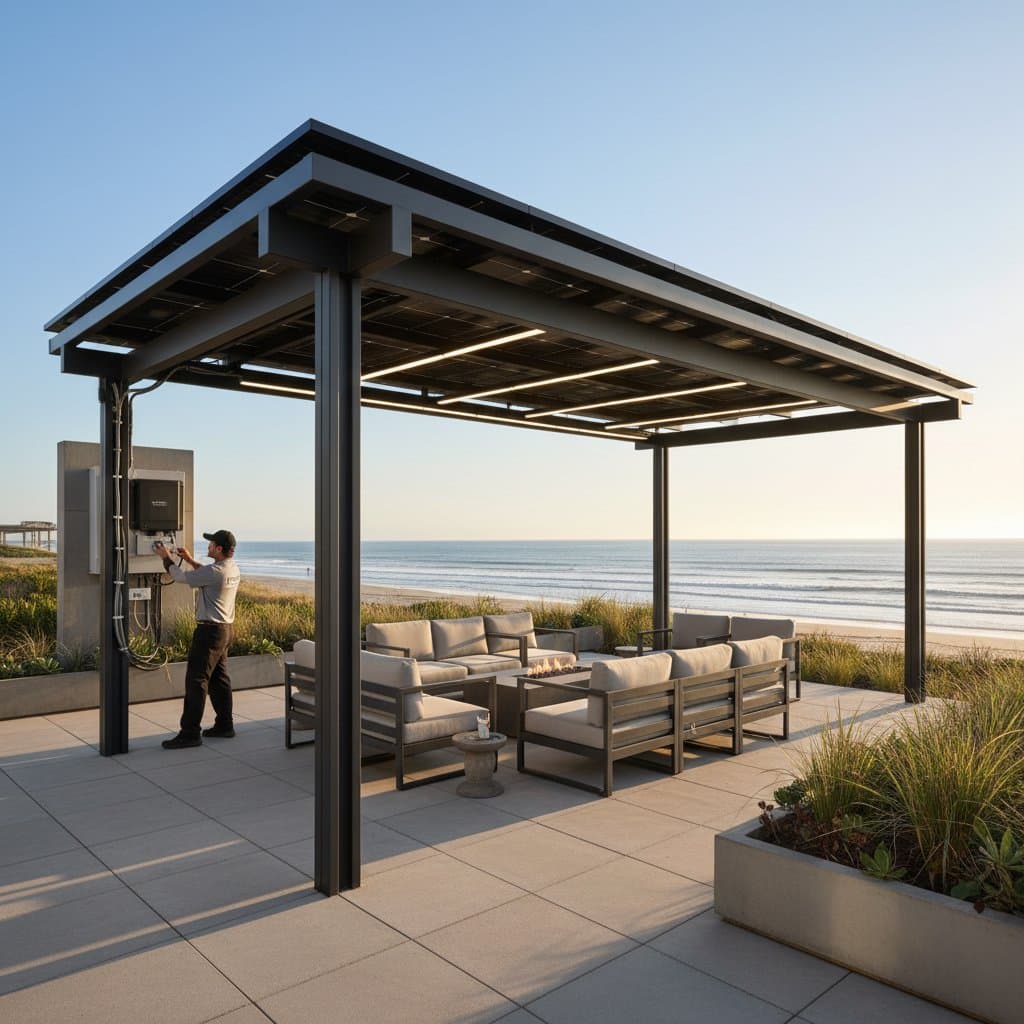
Solar Pergolas Reduce Coastal Energy Costs by Up to 60 Percent
Solar pergolas integrate renewable energy generation with outdoor shading solutions, offering coastal homeowners a practical way to lower utility expenses. These installations harness abundant sunlight to produce electricity, potentially reducing energy bills by as much as 60 percent depending on system size and local conditions. Beyond financial benefits, solar pergolas enhance outdoor spaces with stylish, functional designs that promote sustainable living and increase property appeal.
Understanding Solar Pergolas
A solar pergola consists of a sturdy open-roofed structure topped with photovoltaic panels that convert sunlight into usable electricity. This electricity can feed into the home's electrical system, powering appliances, outdoor features, or even charging electric vehicles. The design maintains the pergola's primary role as a shaded area for relaxation, dining, or gatherings, while adding an energy-producing layer that aligns with eco-conscious lifestyles.
Homeowners appreciate the seamless blend of form and function. For instance, panels can be mounted flush with the roof slats to preserve an unobtrusive appearance. Installation typically involves securing the frame to a concrete foundation or existing patio, followed by wiring the panels to an inverter that synchronizes output with household power needs.
Image: Modern backyard solar pergola providing shade over a dining area.
Investment Breakdown and Expected Returns
Initial costs for solar pergolas vary based on dimensions, material choices, and energy output capacity. Smaller units suit modest yards, while larger ones support higher electricity demands. The table below outlines typical ranges for coastal installations, assuming standard panel efficiencies and average sunlight hours.
| Pergola Type | Average Cost | Estimated Annual Energy Savings |
|---|---|---|
| Small (2kW capacity) | $8,000 - $12,000 | 30 percent bill reduction |
| Medium (4kW capacity) | $12,000 - $18,000 | 45 percent bill reduction |
| Large (6kW+ capacity) | $18,000 - $25,000 | Up to 60 percent bill reduction |
Savings calculations factor in local electricity rates, often around 0.30 dollars per kilowatt-hour in coastal areas, and federal incentives like the 30 percent solar tax credit. Many owners recover their investment in three to five years through reduced grid reliance and avoided peak-hour charges. Long-term, panels retain 80 to 90 percent efficiency after 25 years, ensuring sustained returns.
Image: Solar panels integrated into a sleek wooden pergola frame.
Key Elements Affecting Efficiency
Optimal performance hinges on site-specific conditions that maximize energy capture. Southern-facing orientations in coastal zones receive the most direct sunlight, often exceeding 5 peak sun hours daily. Shaded or obstructed placements reduce output, so clear skies and minimal tree cover prove advantageous.
Panel quality plays a crucial role; monocrystalline types offer superior efficiency in limited spaces compared to polycrystalline alternatives. The pergola's roof pitch, ideally 20 to 30 degrees, optimizes collection without compromising shade. Integration with home energy profiles matters too, as systems excel in households with significant daytime usage, such as air conditioning or home offices.
Local weather patterns enhance viability. Coastal fog may slightly temper morning production, but overall irradiance remains high, outperforming inland regions. Regular cleaning of panels, especially after salt air exposure, maintains peak output.
Image: Pergola with adjustable solar panels positioned for maximum sun exposure.
Customization and Material Choices
Selecting materials ensures durability against coastal elements like humidity and wind. Cedar or redwood provides natural resistance to rot, while aluminum frames resist corrosion without requiring extensive upkeep. Composite options combine wood-like aesthetics with low-maintenance synthetic durability.
Design versatility accommodates various settings. Attached pergolas link directly to the house, facilitating easy electrical connections for powering indoor-outdoor transitions. Freestanding versions offer placement flexibility near pools or gardens, where they can shade loungers while generating power for nearby pumps or lights.
Advanced features include retractable louvers for adjustable shade or built-in batteries for off-grid capability. During planning, engineers assess load-bearing needs to support panel weight, typically 3 to 4 pounds per square foot, and route wiring discreetly to avoid visual clutter.
Step-by-Step Planning Guide
Approach the project methodically to achieve the best results. Start by consulting a certified solar assessor who uses tools like solar pathfinders to map sunlight patterns across your property. This evaluation identifies ideal locations and estimates annual production, often 3,000 to 6,000 kilowatt-hours for mid-sized units.
Next, solicit detailed proposals from licensed contractors specializing in both structural builds and solar integrations. Review portfolios for coastal projects to gauge expertise in weather-resistant installations. Verify inclusions like warranties, typically 10 years for structures and 25 for panels.
Navigate regulations early by contacting your local permitting office. Coastal zones may require wind-load certifications or setbacks from property lines. Allocate 10 to 15 percent extra in the budget for unforeseen expenses, such as trenching for underground cables or reinforcing foundations against shifting sands.
Incorporate technology for enhanced control. Smart inverters allow remote monitoring via apps, tracking production and alerting to issues. Pair with automated shades or LED fixtures that activate based on energy availability, extending usability into evenings.
Enduring Advantages for Coastal Homes
Solar pergolas deliver multifaceted value that extends beyond immediate savings. They elevate curb appeal, with studies showing solar features can increase resale values by 4 to 6 percent in sunny markets. Environmentally, each kilowatt-hour generated displaces fossil fuel use, reducing carbon footprints by thousands of pounds annually.
Daily life improves through reliable shade that combats intense coastal sun, paired with clean power for uninterrupted outdoor enjoyment. Maintenance remains straightforward: annual inspections check connections, while gentle hosing removes debris. Over time, these structures foster energy independence, shielding against rising utility rates projected to climb 3 percent yearly.
Embracing a solar pergola equips coastal properties for resilient, forward-thinking living. It transforms routine backyard moments into opportunities for sustainability and savings, harmonizing with the region's natural abundance.