
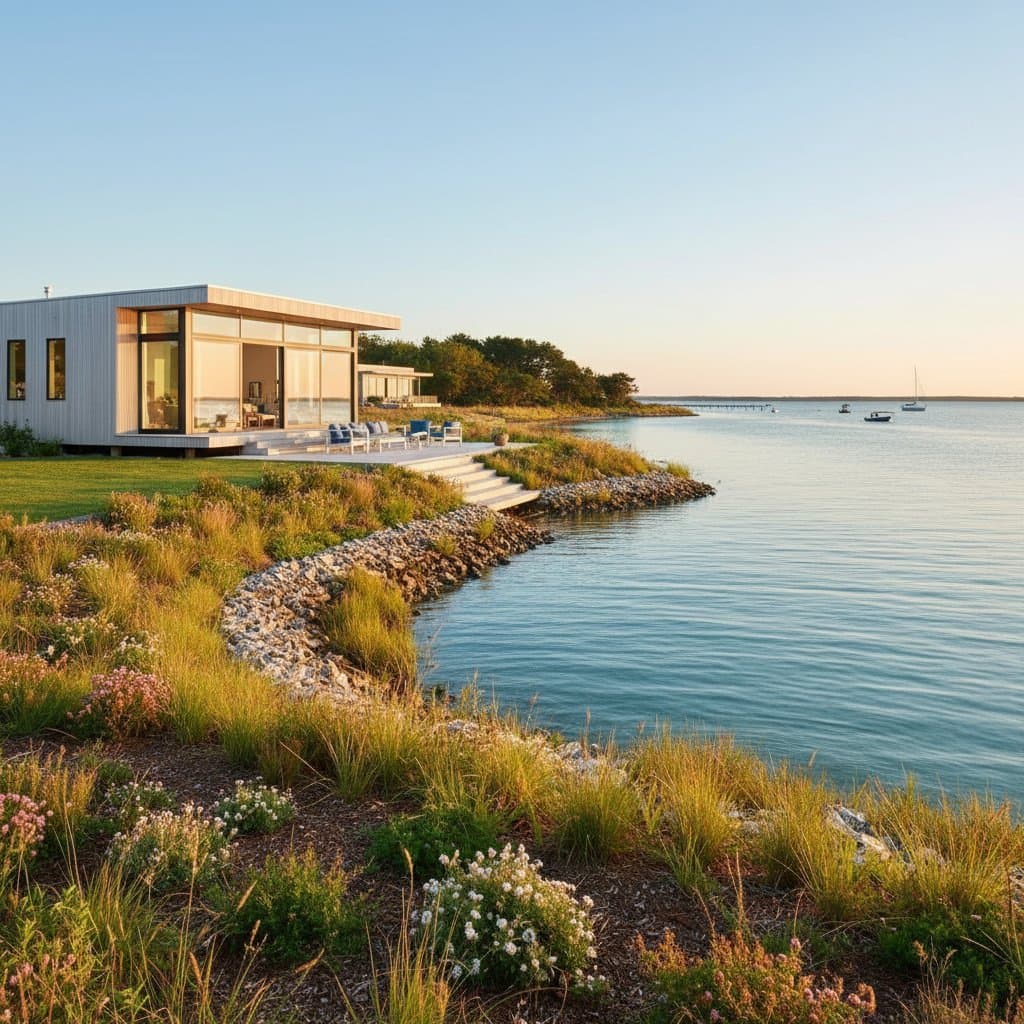
Understanding Living Shorelines
Living shorelines represent a shift from hard-engineered coastal defenses to nature-based solutions. These systems use native plants, oyster reefs, and other natural elements to stabilize shorelines and mitigate erosion. Unlike traditional methods, they integrate seamlessly with the environment, providing long-term protection while enhancing biodiversity.
Coastal erosion affects millions of properties worldwide, leading to significant economic losses. In areas like San Diego, rising sea levels and storm surges exacerbate the problem. Living shorelines address these challenges by mimicking natural coastal processes, offering a resilient alternative that evolves with environmental changes.
The Science Behind Erosion Reduction
Erosion occurs when waves and currents remove sediment from shorelines, often accelerated by human activities and climate change. Living shorelines counteract this by creating layered defenses. Vegetation roots bind soil, while submerged structures dissipate wave energy, reducing erosion rates by up to 60 percent according to field studies.
For instance, marsh grasses and mangroves slow water flow and trap sediments, building land over time. Oyster reefs and coir logs further break waves before they reach the shore. This multi-layered approach ensures that shorelines remain stable even during intense storms.
The effectiveness stems from the adaptive nature of these systems. As tides and weather patterns shift, plants grow and structures accumulate material, making the shoreline more robust. Property owners benefit from this dynamic protection without the need for constant maintenance.
Cost Advantages Over Traditional Seawalls
Seawalls, constructed from concrete or steel, typically cost $500 to $1,000 per foot to install and require ongoing repairs. Living shorelines, in contrast, range from $50 to $200 per foot, depending on site conditions and materials. Initial investments pay off through reduced long-term expenses and potential grants for eco-friendly projects.
Installation involves site assessment, planting native species, and placing biodegradable structures. Maintenance focuses on monitoring plant health and occasional replanting, far less labor-intensive than repairing cracked seawalls. Over a decade, savings can exceed 50 percent compared to hard infrastructure.
These cost benefits extend to insurance premiums, as living shorelines lower flood risks. Communities investing in them often see property values rise due to enhanced aesthetics and ecological value. The economic case strengthens when factoring in avoided disaster recovery costs.
Ecological Benefits for Marine Life
Beyond protection, living shorelines create vibrant habitats. Native plants provide food and shelter for fish, birds, and invertebrates. Submerged reefs support filter feeders like oysters, which improve water quality by removing pollutants.
These systems foster biodiversity hotspots along urbanized coasts. In degraded areas, they restore natural food webs, benefiting species from crabs to migratory birds. Healthier ecosystems contribute to overall coastal resilience against pollution and habitat loss.
Property owners gain aesthetic appeal with lush, green buffers that blend into the landscape. Visitors and residents enjoy recreational opportunities, such as birdwatching or kayaking, in these revitalized spaces. The result is a harmonious balance between human needs and natural processes.
Comparing Living Shorelines to Seawalls
Seawalls offer immediate, visible barriers but often accelerate erosion on adjacent properties through wave reflection. They disrupt marine habitats and require replacement every 20 to 50 years. Living shorelines avoid these drawbacks by absorbing rather than reflecting energy.
In high-energy environments, hybrid approaches combine elements of both, such as low seawalls topped with vegetation. However, pure living shorelines perform better in moderate wave conditions, common along much of the California coast. Selection depends on site-specific factors like water depth and storm frequency.
Data from coastal engineering projects show living shorelines outperforming seawalls in sustainability. They reduce scour at the base and prevent flanking erosion. For most residential and community applications, they provide superior value.
Steps to Implement Living Shorelines
Begin with a professional assessment of your shoreline's vulnerabilities, including soil type, wave exposure, and existing vegetation. Consult local environmental agencies for permits and guidelines on native species. This ensures compliance and maximizes effectiveness.
- Clear invasive species and prepare the site by grading gently to promote water flow.
- Install foundational structures, such as oyster cages or wooden pilings, in shallow waters.
- Plant a mix of grasses, shrubs, and trees suited to tidal zones, spacing them to allow growth.
- Monitor progress quarterly, adding mulch or additional plants as needed.
Engage contractors experienced in green infrastructure for optimal results. Community involvement, through volunteer planting days, can reduce costs and build local support. Full establishment takes one to three years, after which the system self-sustains.
Real-World Applications and Success Stories
In Chesapeake Bay, living shorelines have protected hundreds of acres of waterfront, reducing erosion while boosting crab populations. Similar projects in Florida demonstrate 70 percent wave energy reduction with minimal upkeep. These examples highlight scalability from small lots to large bays.
Closer to home, San Diego initiatives along Mission Bay integrate kelp beds and dune grasses, safeguarding beaches and public access points. Participants report fewer flooding incidents and increased wildlife sightings. Such successes inspire broader adoption among coastal residents.
Challenges include initial permitting delays and sourcing materials, but benefits outweigh hurdles. Adaptive designs allow modifications based on observed performance, ensuring long-term viability.
Embracing Nature for Lasting Coastal Security
Living shorelines offer a forward-thinking solution to erosion, blending protection with ecological restoration. By choosing these over outdated seawalls, property owners secure their investments while contributing to healthier oceans. The combination of cost efficiency, durability, and environmental gains makes them ideal for tomorrow's coasts.
Start exploring options for your shoreline today. With expert guidance, you can transform vulnerability into resilience, creating a legacy of sustainability for future generations.