
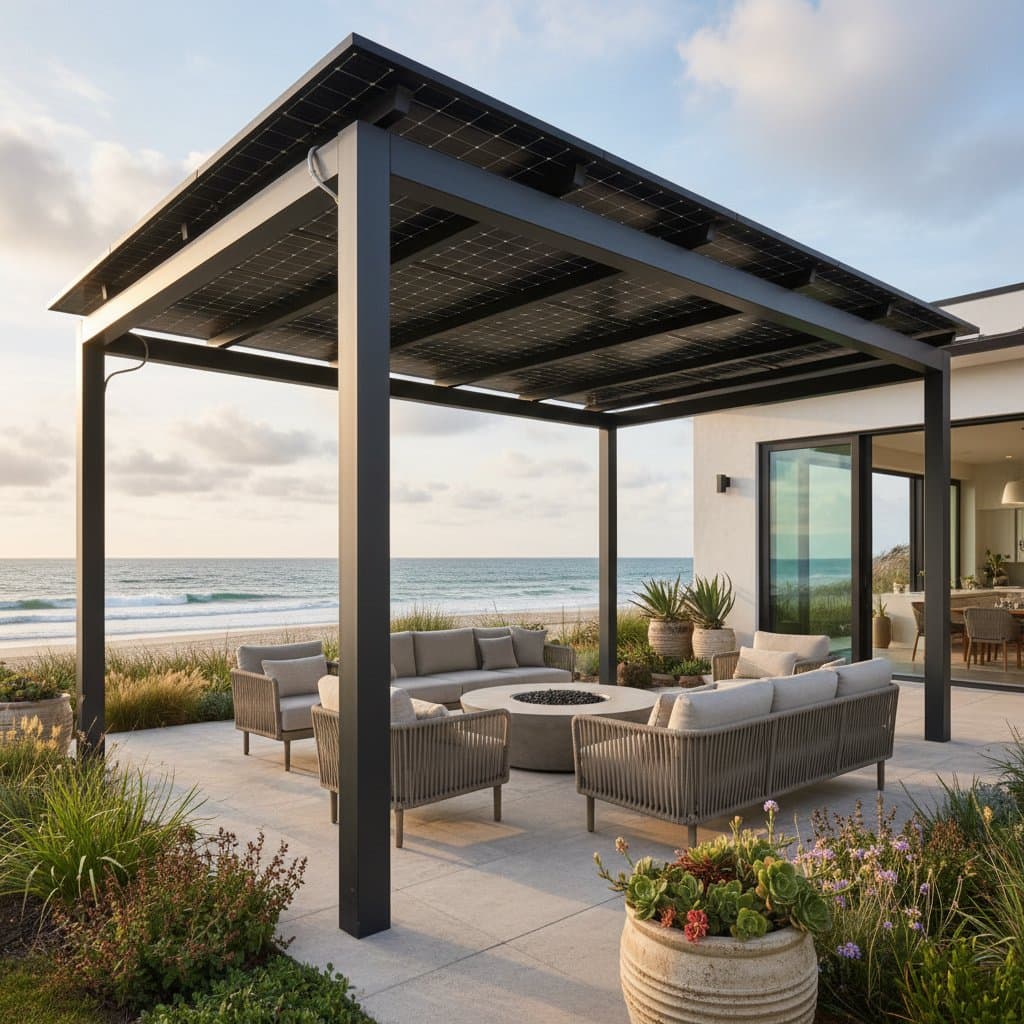
Solar Pergolas: Shade and Solar Power for Coastal Homes
Homeowners along the coast often face a balancing act between enjoying outdoor living and managing intense sunlight. A solar pergola offers a smart solution that combines comfort, style, and sustainability. It delivers shade for outdoor spaces while generating clean electricity for the home. This guide explains how solar pergolas work, what to consider before installing one, and how they enhance coastal lifestyles while reducing energy bills.
A solar pergola merges traditional outdoor design with renewable energy technology. It is essentially a freestanding or attached structure with solar panels integrated into the roof. These panels provide shade and simultaneously convert sunlight into electricity. For coastal homeowners, this dual-purpose design proves especially valuable because it maximizes limited outdoor space and takes advantage of abundant sunlight throughout the year.
Understanding Solar Pergolas
What is a Solar Pergola?
A solar pergola functions like a traditional pergola but incorporates photovoltaic panels in place of standard slats or roofing material. The panels mount on top of the pergola, typically facing the optimal direction for sunlight exposure. The electricity produced powers the home, charges batteries, or feeds back into the grid.
These systems install as new structures or add to existing pergolas with proper reinforcement. In coastal regions where roof-mounted panels may face restrictions or aesthetic concerns, a solar pergola provides an appealing alternative.
How Solar Pergolas Generate Power
Solar pergolas use the same technology as rooftop solar systems. Sunlight hits the photovoltaic cells, creating direct current electricity. An inverter then converts that direct current into alternating current, which powers the home. Any excess electricity stores in batteries or credits through net metering programs, depending on local utility policies.
The shaded area beneath the pergola stays cool and comfortable, making it ideal for dining, lounging, or entertaining. This dual function transforms the backyard into both a relaxation zone and a mini power plant.
Planning Your Solar Pergola Project
Assessing Your Space
Before installation, evaluate the property layout and sun exposure. The ideal location receives consistent sunlight throughout the day without significant shading from trees or neighboring structures. For coastal homes, consider wind direction and salt exposure, as these factors influence material longevity.
Measure the available area to determine pergola size. Aim for at least 100 square feet to accommodate standard panel arrays, ensuring the structure aligns with daily routines like morning coffee or evening gatherings.
Choosing the Right Design
Solar pergolas come in several configurations:
- Attached pergolas connect directly to the home, extending living space from a patio or deck.
- Freestanding pergolas place anywhere in the yard for flexible use.
- Custom designs match architectural details and integrate lighting, fans, or outdoor kitchens.
When selecting a design, coordinate with a solar installer and builder to ensure structural strength, electrical safety, and aesthetic harmony. Opt for panels with at least 20% efficiency to maximize output in variable coastal light.
Budgeting and Cost Considerations
The cost of a solar pergola varies by size, materials, panel efficiency, and labor. Homeowners typically spend between $20,000 and $50,000 for a complete installation covering 200 square feet. While the upfront investment appears significant, solar pergolas offset long-term electricity expenses and qualify for federal tax credits up to 30% or local rebates.
Prices differ by region, utility rates, and permitting requirements, so request multiple bids. Factor in potential savings: a mid-sized system might generate 5,000 kilowatt-hours annually, reducing bills by $500 to $1,000 per year in high-cost areas.
Working with Professionals
Hiring qualified professionals ensures safety and performance. Seek contractors certified in solar installation and structural construction. Verify licenses, insurance, and references.
A reputable installer provides:
- A detailed site assessment and energy production estimate based on historical weather data.
- Structural drawings and load calculations to withstand coastal winds up to 100 mph.
- Electrical diagrams and permit applications compliant with national electric codes.
- Warranty information covering panels for 25 years, inverters for 10 years, and workmanship for five years.
Avoid contractors who pressure quick decisions or offer vague pricing. Transparency and documentation lead to successful projects.
Benefits of Solar Pergolas for Coastal Homes
Energy Savings and Sustainability
Coastal properties often incur high air conditioning costs during warm months. Generating electricity onsite reduces grid dependence and lowers monthly utility bills by 20% to 50%. The clean energy produced cuts household carbon emissions equivalent to planting 100 trees annually.
Pair the system with energy-efficient appliances to amplify savings. Track progress through utility statements to measure return on investment, often achieved within seven to ten years.
Outdoor Comfort and Aesthetic Appeal
A solar pergola adds architectural interest to the home while providing a shaded retreat. Incorporate retractable canopies for adjustable coverage, string lighting for evening ambiance, or weather-resistant furniture for year-round use. The panels serve as sleek, modern roofing that complements coastal design styles like Cape Cod or Mediterranean.
This setup encourages more time outdoors, fostering relaxation and social connections without the discomfort of direct sun.
Protection from Salt and Moisture
Coastal environments challenge materials with salt and humidity. Many solar panels and components feature corrosion-resistant finishes, such as tempered glass and anodized aluminum. Aluminum or powder-coated steel frames withstand exposure effectively.
Proper maintenance includes quarterly rinsing to remove salt buildup, preserving panel efficiency above 90% over time. Select marine-grade sealants for joints to prevent water intrusion.
Increased Property Value
Homes with renewable energy systems attract eco-conscious buyers. A well-designed solar pergola enhances curb appeal and resale value by 3% to 5%, according to real estate studies. The blend of functionality, aesthetics, and sustainability positions it as a long-term investment.
Highlight the feature in listings to appeal to buyers seeking low-maintenance, energy-independent properties.
Maintenance and Longevity
Routine Cleaning
Solar panels perform best when clean. In coastal areas, salt spray and bird droppings accumulate, reducing efficiency by up to 20%. Rinse panels gently with fresh water monthly or use a soft brush for debris removal.
Schedule professional cleaning twice yearly if near the ocean. Avoid abrasive cleaners that scratch the glass surface.
Structural Inspections
Inspect the pergola annually for wear, corrosion, or loose fasteners. Coastal moisture affects metal joints and electrical connections, so early detection prevents repairs costing thousands.
If the pergola includes lighting or outlets, ensure wiring remains sealed and weatherproof. Tighten bolts and reapply protective coatings as needed.
Monitoring Energy Production
Modern inverters include apps that track electricity generation in real time. Review readings weekly to spot issues like shading from seasonal growth or equipment faults.
If production drops by more than 10%, contact the installer for diagnostics. Adjust panel angles seasonally if the design allows for optimal coastal sun paths.
Frequently Asked Questions
What is the difference between a solar pergola and rooftop solar panels?
A solar pergola is a ground-level structure that supports solar panels while providing shade, whereas rooftop panels attach directly to the home roof. Pergolas offer design flexibility and place in optimal sunlight without altering the roofline.
Can a solar pergola power my entire home?
Depending on size and panel count, a solar pergola offsets a portion or all household energy use. Installers calculate capacity based on consumption and space, often covering 70% to 100% for average homes.
Are solar pergolas durable in coastal climates?
Yes. Built with corrosion-resistant materials like aluminum and marine-grade fasteners, solar pergolas perform well. Regular cleaning and inspections protect against salt damage and moisture.
Do I need special permits for a solar pergola?
Most areas require building and electrical permits. Installers handle the process, including engineering reviews and zoning compliance.
How long do solar pergolas last?
High-quality panels last 25 to 30 years, while the structure endures longer with maintenance. Inverters may need replacement after 10 to 15 years.
Can I connect a battery storage system to my solar pergola?
Yes. Pair with batteries to store excess energy for nighttime or outages, boosting independence.
What maintenance costs should I expect?
Maintenance remains minimal, with $200 to $500 annually for cleaning or inspections. Occasional replacements occur over the lifespan.
Integrating Solar Pergolas into Daily Coastal Life
A solar pergola extends beyond home improvement. It creates a comfortable outdoor retreat that generates renewable energy. Through careful planning, durable materials, and expert installation, the pergola becomes a sustainable centerpiece. Revel in the shade, harness the clean power, and contribute to environmental well-being.