
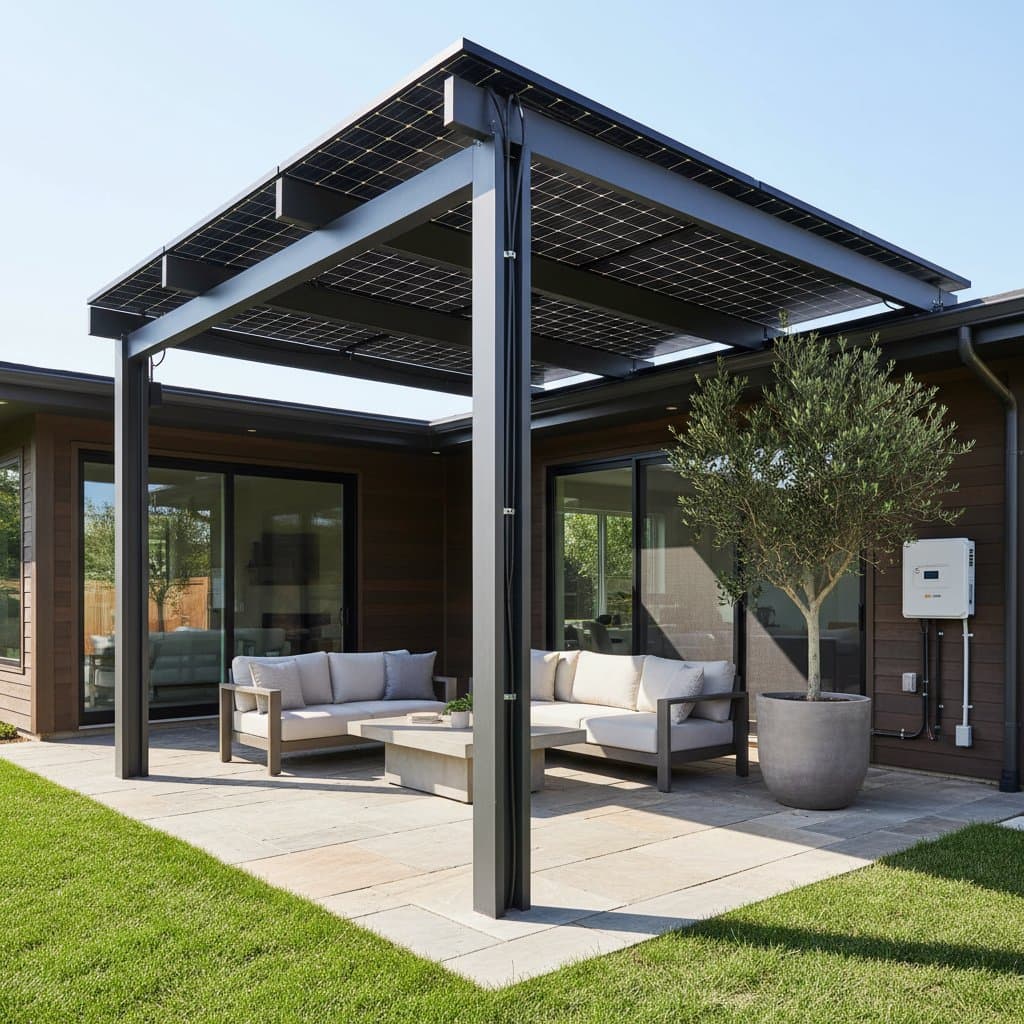
Solar Pergolas: Shade That Powers Your Energy Savings
A solar pergola combines the comfort of outdoor living with the benefits of renewable energy. This stylish structure provides shade while generating electricity through integrated solar panels. In a sunny region like San Diego, the average cost ranges from $15,000 to $35,000, depending on size, materials, and solar capacity. A well-designed unit offsets a significant portion of household electricity use and enhances outdoor spaces.
What Is a Solar Pergola?
A solar pergola is an outdoor framework topped with solar panels. It serves as both a shade structure and a solar power generator. The panels replace or complement traditional slatted roofs, blending aesthetics with sustainability.
Homeowners use these to power outdoor lighting, pool pumps, or contribute to the home's main energy system. Options include attaching to a patio, freestanding installation in a yard, or integration into a deck or carport.
Quick summary:
- Primary purpose: Generate renewable energy while providing shade
- Average cost: $15,000 to $35,000
- Energy output: 2 to 6 kilowatts on average
- Lifespan: 20 to 25 years for solar panels
- Main benefit: Reduces energy bills while improving outdoor comfort
Average Cost of a Solar Pergola
Costs vary by materials, design complexity, and solar system capacity. The table below outlines general estimates, price ranges, and expected returns.
| Project Type | Size (sq. ft.) | Cost Range | Average ROI |
|---|---|---|---|
| Small patio pergola with 2 kW solar system | 150-200 | $15,000 - $20,000 | 60-70% |
| Medium deck pergola with 4 kW system | 250-350 | $22,000 - $30,000 | 70-85% |
| Custom freestanding pergola with 6 kW system | 400+ | $30,000 - $35,000+ | 80-90% |
These figures cover pergola construction and solar installation. Labor accounts for 30% to 40% of the total. In high-sunlight areas like coastal California, savings reach 30% to 60% on monthly electricity bills.
Image: Modern solar pergola over a patio with lounge furniture and integrated LED lighting.
Cost Breakdown by Component
A detailed breakdown aids in effective planning.
- Structure materials: $3,000 to $10,000 (wood, aluminum, or steel based on design)
- Solar panels: $5,000 to $15,000 (varies by wattage and efficiency)
- Inverter and wiring: $2,000 to $4,000
- Labor and permits: $3,000 to $6,000
- Optional features: $1,000 to $3,000 (lighting, fans, or electric outlets)
Image: Solar panels mounted on a cedar pergola with outdoor seating below.
Factors That Influence Cost and Performance
Multiple elements affect pricing and efficiency.
1. Location and Sun Exposure
Output relies on sunlight levels. Sunny climates yield quicker payback, while shaded sites benefit from high-efficiency panels or adjusted angles.
2. Material Selection
- Wood pergolas deliver natural appeal but demand regular upkeep.
- Aluminum pergolas resist corrosion and weigh less.
- Steel pergolas ensure strength and longevity.
3. Solar System Size
Larger setups generate more power at higher initial costs. Select a size that offsets about half of energy needs for balanced investment.
4. Design Complexity
Custom elements like integrated lighting or louvers increase expenses. Opt for straightforward rectangular designs to control budgets.
5. Utility Connection
Grid-tied systems require extra wiring and inspections. Off-grid versions often include battery storage, raising overall costs.
Energy and Environmental Benefits
These installations deliver financial and ecological gains.
- Lower energy bills: Produce electricity to lessen grid reliance.
- Sustainable living: Harness renewables for everyday use.
- Increased property value: Solar features enhance marketability.
- Reduced carbon footprint: One kilowatt offsets roughly 1,500 pounds of carbon each year.
- Comfortable outdoor living: Shade patios during intense sun.
Image: Family enjoying a shaded backyard under a solar pergola with hanging plants and string lights.
Planning and Budgeting Tips
Thorough preparation supports seamless projects and peak performance.
1. Set a Clear Budget
Determine investment limits and include permits, materials, and maintenance. Allocate 10% to 15% as a contingency for surprises.
2. Choose the Right Location
Select areas with full daily sunlight. Steer clear of tree or building shadows.
3. Check Regulations
Verify local codes for permits and inspections on solar builds. Engage licensed contractors for compliance.
4. Compare Quotes
Obtain at least three from solar specialists experienced in outdoor structures. Request itemized separations of construction and solar work.
5. Consider Future Upgrades
Build in adaptability for additions like battery storage or system expansions.
DIY or Professional Installation?
Basic pergola construction suits some DIY efforts, but solar integration demands expert handling. Professionals manage electrical ties, inverters, and load assessments to uphold safety.
Professional installation benefits:
- Optimal alignment for maximum solar intake
- Compliant and secure wiring
- Warranties covering panels and build quality
DIY cuts pergola costs but risks solar inefficiencies or warranty losses. Certified solar contractors suit most projects.
Return on Investment (ROI)
These pergolas represent aesthetic and economic assets. Payback spans 6 to 10 years, influenced by rates and efficiency. Post-payback, generated power costs little.
| Investment Level | Average Savings per Year | Estimated Payback | Lifetime ROI |
|---|---|---|---|
| $15,000 (small system) | $1,200 - $1,600 | 8 - 10 years | 70% |
| $25,000 (medium system) | $2,000 - $2,800 | 7 - 9 years | 80% |
| $35,000 (large system) | $3,000 - $3,800 | 6 - 8 years | 90% |
Panels endure over 20 years with basic care. Clean routinely and inspect yearly for sustained output.
Design Ideas for Solar Pergolas
Customize to match architectural styles with these concepts.
Modern Minimalist
Sleek aluminum frames and frameless glass panels suit contemporary settings.
Rustic Retreat
Wooden beams with textured panels evoke warmth. Incorporate vines or lights for added appeal.
Poolside Shade
Position near pools to shade while energizing pumps or lights.
Outdoor Kitchen Cover
Overhead placement powers kitchens or barbecue zones.
Carport Solar Pergola
Shield vehicles and generate driveway power.
Image: Sleek aluminum solar pergola covering an outdoor dining area with a coastal view.
Maintenance and Care
Durable builds minimize upkeep compared to standard pergolas.
- Clean panels every few months with water and a soft brush.
- Remove debris like leaves or droppings to maintain sunlight access.
- Inspect connections yearly for secure wiring.
- Repaint or reseal wood periodically against weather.
Proper attention sustains functionality and appearance for decades.
FAQs About Solar Pergolas
| Question | Answer |
|---|---|
| How much electricity can a solar pergola generate? | Most residential systems produce 2 to 6 kilowatts, sufficient for partial or full daytime household needs. |
| Can I add solar panels to an existing pergola? | Yes, provided the frame supports the weight and angles capture sunlight effectively. |
| Do solar pergolas require maintenance? | Minimal; annual panel cleaning and wiring checks suffice. |
| Are solar pergolas eligible for incentives? | Many areas offer rebates or tax credits for solar setups; review local options. |
| Can I connect a solar pergola to battery storage? | Yes, batteries store surplus for evening or outage use. |
| How long does installation take? | Projects typically span one to two weeks, based on complexity. |
Hiring the Right Contractor
Select installers versed in solar and construction for reliable results.
- Verify licensing and insurance for both fields.
- Demand detailed quotes, timelines, and warranties.
- Review references or portfolios of comparable work.
Inquire about panel brands, output projections, and post-install support.
Integrating Solar Pergolas into Daily Life
Installed pergolas deliver shade and energy autonomy. Shaded zones encourage relaxation as clean power flows steadily.
Savings accumulate over time, elevating property worth. This upgrade fuses beauty, innovation, and eco-responsibility for enduring outdoor enhancement.