
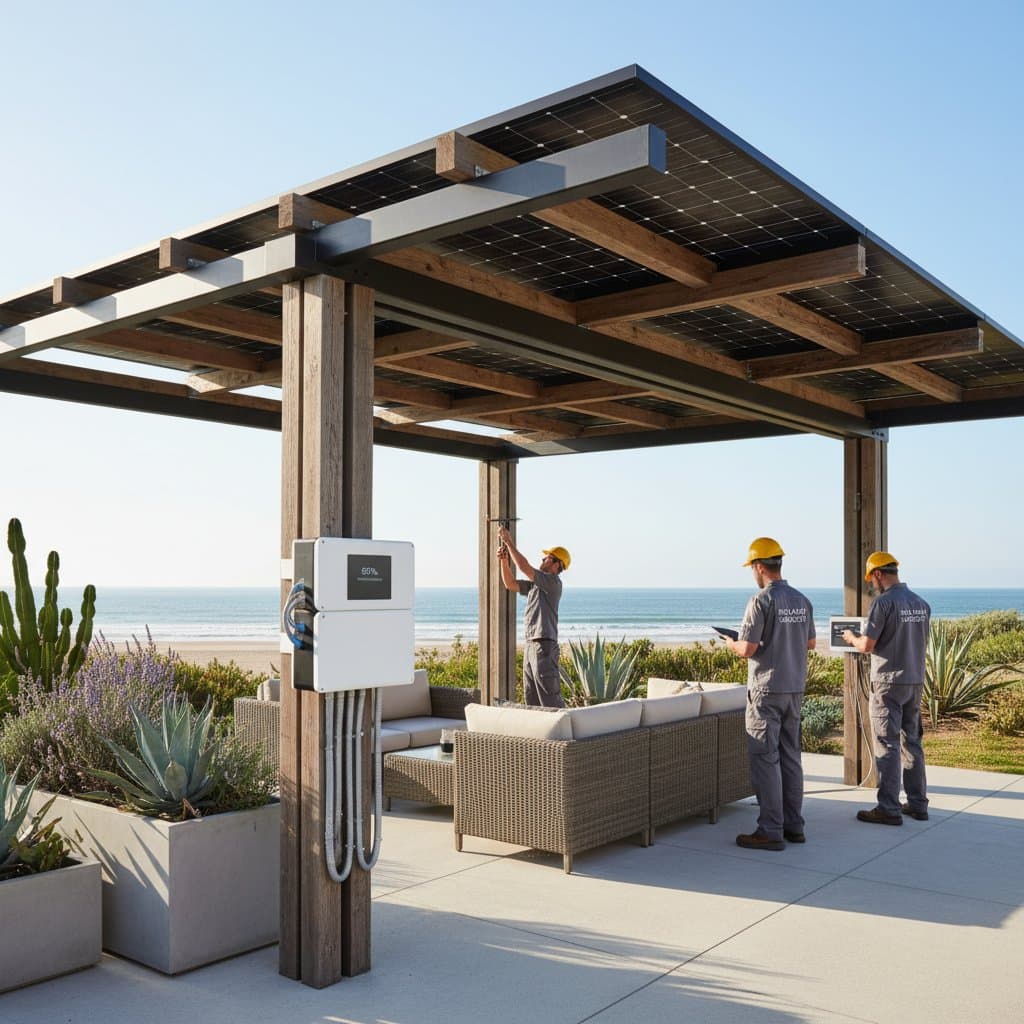
Seven Strategies for Solar Pergolas to Reduce Coastal Energy Bills by 60 Percent
Coastal environments offer refreshing ocean breezes, invigorating salty air, and abundant sunshine. However, that intense sunlight often increases cooling expenses and renders outdoor areas excessively warm. If individuals seek methods to achieve backyard comfort without escalating energy costs, solar pergolas present a viable solution.
Solar pergolas merge aesthetic appeal with environmental responsibility, converting a simple patio cover into a compact energy production unit. Homeowners integrate solar panels into the traditional pergola framework, achieving reductions in energy bills of up to 60 percent alongside enhanced shading and visual enhancement of properties.
This resource details seven approaches through which solar pergolas revolutionize outdoor experiences and diminish energy expenditures. Professionals recommend these options for both retrofitting existing installations and constructing new ones, maximizing the benefits of coastal solar resources.
Essential Energy Generation Techniques
1. Harnessing Sunlight for Direct Savings
Solar pergolas employ panels mounted atop the framework to capture sunlight and transform it into usable electricity for the residence. This generated power compensates for grid consumption, resulting in substantial reductions on monthly utility statements.
Position the structure to orient toward the south or west to optimize exposure during peak sunlight periods. Select panels with efficiencies exceeding 20 percent to ensure reliable output even on partially overcast days. Homeowners typically recoup installation costs within five to seven years through consistent savings.
[Image: Solar panels seamlessly integrated into a backyard pergola, actively capturing sunlight]
2. Achieving Natural Cooling Through Shading
The overhead panels of a solar pergola block direct sunlight, maintaining cooler temperatures on patios without dependence on mechanical cooling devices such as fans or misters. These panels function dually as energy producers and thermal barriers, which also moderates indoor heat levels.
Fewer rays penetrating the home lead to decreased reliance on air conditioning systems. Energy consumption drops accordingly, particularly during summer afternoons when coastal temperatures peak. Residents report outdoor areas remaining 10 to 15 degrees Fahrenheit cooler under such coverings.
- Direct sunlight reduction preserves interior comfort.
- Air conditioning usage diminishes, yielding immediate bill relief.
- Enhanced outdoor usability persists through the hottest periods.
3. Energizing Yard Amenities Independently
Solar pergolas extend beyond general household offset by supplying power to specific outdoor elements. Applications include illuminating pathways, operating overhead fans, or supporting compact appliances in an al fresco kitchen setup.
Integrate smart controllers to prioritize energy allocation during high-demand times. Opt for systems with inverters that convert direct current to alternating current seamlessly for standard appliances. This setup enables self-sufficient operation, minimizing grid draws for evening gatherings.
Pro Tip: Combine the pergola with low-wattage LED lighting to prolong outdoor activities into the night while keeping additional costs negligible.
Aesthetic and Functional Design Approaches
4. Integrating Efficiency with Architectural Harmony
Solar pergolas avoid an utilitarian appearance through thoughtful design choices. Manufacturers offer options where panels blend into frameworks of wood, aluminum, or composite materials, preserving the structure's elegance.
Select surface treatments that align with existing decking or siding hues for unified visual impact. Preferences range from sleek, modern profiles to robust, timber-inspired elements that emphasize organic grains and textures. Consult architects to ensure the design enhances rather than detracts from the home's overall character.
5. Creating Versatile Outdoor Extensions
Installing a solar pergola expands patio functionality into a protected, shaded zone suitable for meals or relaxation. This multifunctional addition generates clean energy while delineating a dedicated living area, thereby elevating property worth and practical utility.
Incorporate modular components like adjustable louvers for variable light control. Such features adapt to seasonal changes, providing full enclosure during rain or openness on mild days. Real estate experts note that energy-producing outdoor structures can increase home values by 5 to 10 percent in coastal markets.
[Image: Inviting seating arrangement beneath a contemporary solar pergola, blending comfort and modern design]
6. Incorporating Storage for Continuous Availability
Advanced solar pergolas link to battery arrays that capture surplus daytime production for evening deployment. This capability sustains features like ambient lighting or audio systems post-sunset, independent of utility supplies.
System expenses align with conventional solar installations, scaled to pergola dimensions, typically ranging from $5,000 to $15,000. Coastal residents often realize payback periods of three to five years, factoring in incentives like federal tax credits. Maintenance involves periodic battery health checks to sustain performance over 10 to 15 years.
Ensuring Durability and Efficiency Over Time
7. Implementing Routine Maintenance for Sustained Performance
Solar pergolas demand limited ongoing attention to preserve output levels. Flush panels periodically with plain water to clear accumulations of salt residue or airborne particles prevalent in seaside locales.
Conduct annual reviews of electrical conduits for wear and secure all joints against environmental stress. Professional inspections every two years detect potential issues early, extending the unit's productive lifespan.
Pro Tip: Steer clear of abrasive cleaners on panels, as residues may impair light transmission and diminish energy conversion rates.
Proper stewardship allows these installations to deliver renewable electricity for 25 years or more, while upholding structural integrity and attractiveness.
Key Considerations for Implementation
Before proceeding, confirm compliance with regional zoning regulations to avoid permit delays. Engage certified installers experienced in marine climates to address corrosion risks. Prioritize durable options such as galvanized aluminum or treated lumber engineered for high winds.
Enhance usability by weaving in vegetation supports for vining plants or installing operable fabric panels for supplemental shading. These additions customize the space to personal preferences without compromising energy goals.
Common Inquiries
By what margin do solar pergolas lower energy expenses?
Typical reductions range from 40 to 60 percent, influenced by installation scale and local solar irradiance.
Is retrofitting possible for current patios?
Affirmative, provided the foundation offers adequate load-bearing capacity; structural assessments ensure safety.
Do these systems perform under overcast conditions?
Production continues, albeit at reduced levels of 20 to 50 percent; integrated storage bridges gaps for reliable access.
Building a Sustainable Coastal Retreat
Solar pergolas empower residents to embrace seaside living with self-generated electricity at its core. This integration of protective shade, ergonomic design, and eco-friendly power fosters a resilient haven that delivers ongoing financial advantages and heightened quality of life.