
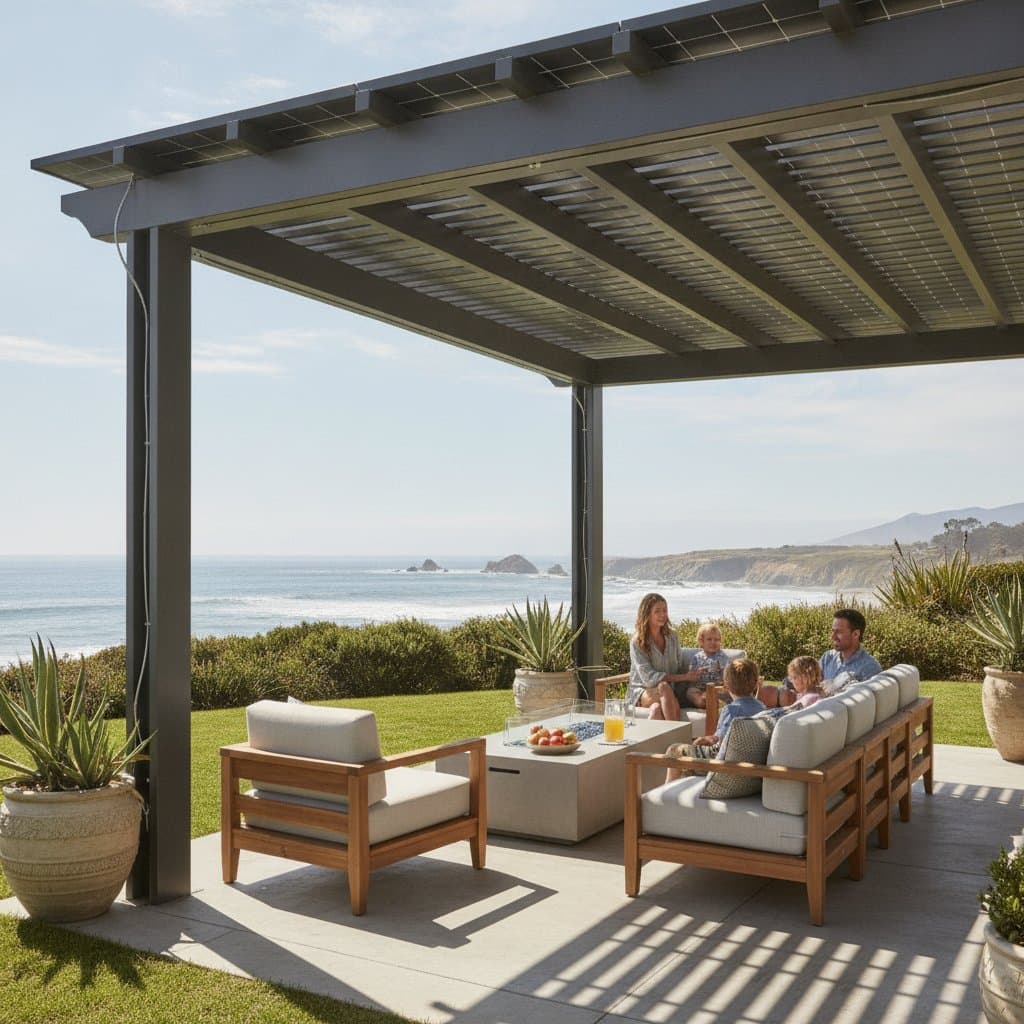
Solar Pergolas Deliver Shade and Power to Coastal Homes
Homeowners along the coast seek energy-efficient options that enhance outdoor living while reducing electricity expenses. Solar pergolas address this need through integrated shade structures and photovoltaic panels. These installations convert patios and decks into productive spaces that generate clean power during daylight hours.
Average Cost of a Solar Pergola
Project expenses for a solar pergola typically fall between 12000 dollars and 30000 dollars. Costs depend on overall size, chosen materials, and panel specifications. A mid-sized installation averages near 20000 dollars when both construction and equipment are included.
| Project Scope | Average Cost | Description |
|---|---|---|
| Small solar pergola (100 sq. ft.) | 10000 - 15000 dollars | Suitable for compact seating areas |
| Mid-size solar pergola (200 sq. ft.) | 18000 - 25000 dollars | Fits most standard backyards |
| Large solar pergola (300+ sq. ft.) | 25000 - 35000 dollars | Accommodates kitchens or pool decks |
Energy production gradually recovers the initial outlay through reduced utility bills.
Cost Breakdown by Material Type
Material selection affects both appearance and resilience in coastal environments. Salt air and humidity require careful attention to corrosion resistance.
| Material | Cost per Square Foot | Durability | Maintenance | Aesthetic Appeal |
|---|---|---|---|---|
| Aluminum | 60 - 90 dollars | Strong resistance to corrosion | Low | Modern profile |
| Steel | 70 - 110 dollars | High strength with proper coating | Medium | Industrial finish |
| Wood | 50 - 80 dollars | Natural texture with regular sealing | High | Classic warmth |
| Vinyl | 45 - 70 dollars | Moisture tolerant yet less robust | Low | Simple lines |
Aluminum receives frequent selection for coastal sites due to its rust resistance and range of powder-coat finishes.
Labor Costs and Installation Details
Labor accounts for 25 to 40 percent of total project cost. Professional services usually range from 4000 dollars to 10000 dollars. The sequence includes design review, structural assembly, panel mounting, and electrical integration.
- Design and permitting: Site assessment followed by permit submission.
- Foundation and framing: Post placement and beam construction.
- Solar panel mounting: Attachment and wiring of photovoltaic modules.
- Electrical connection: Tie-in to household service or battery storage.
- Inspection and activation: Final safety verification before operation.
Licensed contractors maintain compliance with applicable codes.
Factors That Influence Total Cost
Multiple elements determine final pricing. These include structure dimensions, panel wattage, battery options, material grade, permit fees, site access, and regional labor rates. Coastal locations often require upgraded fasteners and reinforced framing.
Energy Production and Efficiency
A properly oriented solar pergola produces between 2 and 5 kilowatts. Output varies with panel efficiency, tilt angle, and daily sun exposure. Coastal climates with consistent sunlight support steady generation throughout the year. Battery storage adds backup capacity during outages.
How to Save Money on a Solar Pergola
Several approaches reduce expenditure while preserving quality. Select standard panel dimensions to limit custom work. Schedule installation alongside other exterior projects to share mobilization costs. Consider partial panel coverage on the roof structure. Pursue available rebates and obtain multiple bids from experienced solar builders. Routine panel cleaning sustains output levels.
DIY vs. Hiring a Professional
Basic wooden frames may suit skilled homeowners, yet solar integration introduces electrical and structural requirements.
DIY advantages include reduced labor charges and direct design control. Disadvantages involve potential warranty issues and safety risks from improper wiring.
Professional installation provides code compliance, full warranty protection, and reliable performance. Most property owners achieve better long-term results through certified installers.
Common Mistakes to Avoid
Careful planning prevents several frequent errors. Confirm adequate sun exposure before final placement. Specify corrosion-resistant components for marine climates. Complete all required permits prior to construction. Match inverter specifications to the home electrical service. Budget for periodic cleaning and inspections.
Frequently Asked Questions About Solar Pergolas
Do I need a permit for a solar pergola?
Most jurisdictions require permits for both structural and electrical work. Installers commonly manage documentation and verify local compliance.
How long does a solar pergola last?
Quality aluminum or steel frames endure 25 years or longer when matched with durable panels. Scheduled cleaning maintains efficiency.
Can a solar pergola power my entire home?
System capacity and household consumption determine the answer. Larger arrays offset substantial usage, though full independence may require supplementary rooftop panels.
What maintenance does a solar pergola need?
Panels require cleaning several times annually to remove salt and debris. Electrical connections benefit from periodic inspection for corrosion.
Does a solar pergola increase home value?
Energy-efficient outdoor features attract buyers and support higher resale prices.
Can I add battery storage later?
Many designs accommodate future battery additions for expanded backup capability.
Is the structure safe in coastal weather?
Engineered frames built with appropriate materials withstand wind, rain, and salt exposure when codes are followed.
Maximizing Long-Term Benefits
A completed solar pergola supplies daily shade, steady power generation, and increased property appeal. Thoughtful material choices and professional installation secure reliable performance across seasons.