
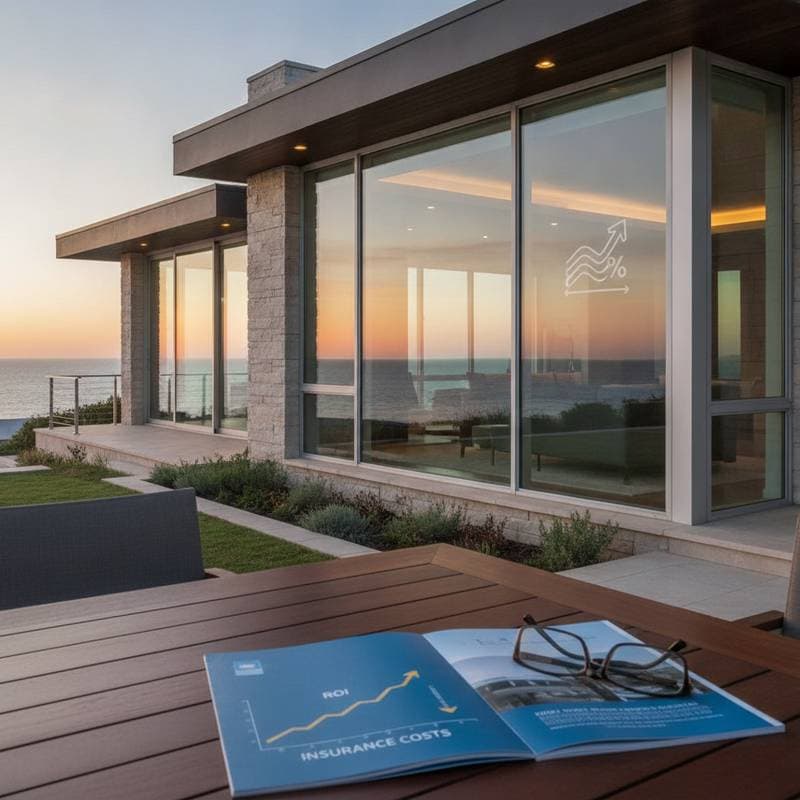
Impact Glass Cuts Coastal Insurance Costs by 35%
Living in a coastal region brings beauty and comfort. It also brings higher homeowner insurance costs due to the risk of storms and strong winds. Many property owners now find a practical solution that combines safety and savings. Installing impact glass windows can cut coastal insurance premiums by up to 35 percent. This upgrade ranks among the most valuable remodeling investments for coastal homes.
How Impact Glass Reduces Insurance Costs
Insurance companies base premiums on risk. Homes with features that lower the chance of damage receive lower rates. Impact glass is designed to withstand flying debris, intense wind pressure, and water intrusion during storms. When installed properly, these windows act as a permanent storm shield. They reduce the likelihood of window failure and resulting interior damage.
Key Benefits That Influence Insurance Savings
- Wind and debris resistance lowers the risk of structural damage.
- Water intrusion prevention reduces claims related to flooding or mold.
- Enhanced security discourages break-ins, another factor insurers consider.
- Energy efficiency may qualify the homeowner for additional credits or rebates.
The combination of these benefits gives insurers confidence that the property is better protected. This confidence translates into lower premiums.
Average Costs and Return on Investment
Installing impact glass requires significant investment. The long-term financial return often offsets the upfront cost. On average, homeowners spend between 10,000 and 25,000 dollars for a full-house installation. The exact amount depends on window size and frame material.
| Home Size | Estimated Cost Range | Average Insurance Savings | Typical ROI |
|---|---|---|---|
| Small (under 1,500 sq. ft.) | 8,000 - 14,000 | 25% - 30% | 70% |
| Medium (1,500 - 2,500 sq. ft.) | 12,000 - 20,000 | 30% - 35% | 75% |
| Large (2,500+ sq. ft.) | 18,000 - 30,000 | 30% - 40% | 80% |
Over time, these savings can cover a significant portion of the installation cost. Many homeowners see a return on investment of 70 to 85 percent, especially in areas where storms occur frequently.
Factors That Affect Savings
A 35 percent reduction is typical. Each property outcome depends on several factors. Understanding these factors helps homeowners plan their projects more effectively.
Location and Risk Zone
Properties located closer to the shoreline usually face higher base premiums. These homes may experience greater savings once impact glass is installed. Insurers recognize the increased protection.
Window Coverage
Full replacement provides the greatest benefit. Replacing only front-facing or ground-level windows might reduce premiums slightly. It will not deliver the same comprehensive discount.
Material and Certification
Insurance companies often require windows to meet specific coastal building codes. Products labeled as Miami-Dade or ASTM-certified typically qualify for the highest savings.
Home Age and Condition
Older homes often lack structural reinforcements. When combined with impact glass, additional improvements such as reinforced doors and roof tie-downs can maximize discounts.
Budgeting for an Impact Window Upgrade
Planning a remodel around insurance savings requires balancing cost, timing, and expected return. Several budgeting guidelines help.
- Get multiple quotes from licensed window contractors to compare installation costs.
- Ask your insurance provider about verification requirements before installation.
- Set aside 10 to 15 percent of the budget for contingencies such as trim adjustments or unexpected framing repairs.
- Combine upgrades, like new seals or shutters, to enhance protection and qualify for additional savings.
Many homeowners finance their window upgrades through equity loans or energy improvement programs. This approach makes it easier to start without tapping into savings.
Long-Term Value Beyond Insurance Savings
Immediate savings on insurance are appealing. Impact glass offers additional long-term advantages. These windows improve energy efficiency by keeping interiors cooler in summer and warmer in winter. Utility bills can drop by 10 to 20 percent. The windows also block harmful UV rays and protect furniture and flooring from fading.
Security is another major benefit. Impact glass is extremely difficult to break. It discourages intruders and adds peace of mind for homeowners who spend time away from their coastal properties.
FAQs About Impact Windows and Insurance Savings
How do I know if my windows qualify for insurance discounts?
Ask your insurer what certifications they accept. Most require proof of testing that meets coastal wind resistance standards.
Can I replace just a few windows?
Yes, but partial replacement may not yield full insurance savings. For maximum benefit, consider upgrading all windows and glass doors.
Do impact windows look different from regular ones?
No. They offer the same aesthetic options as standard windows, including different frame colors, finishes, and styles.
Taking Action on Window Upgrades
Upgrading to impact glass windows is more than a safety measure. It is a smart financial move that blends protection, comfort, and long-term savings. Homeowners in coastal areas who invest in this improvement enjoy lower insurance costs, stronger homes, and a greater sense of security.