
Introduction to Solar Glass Roofs
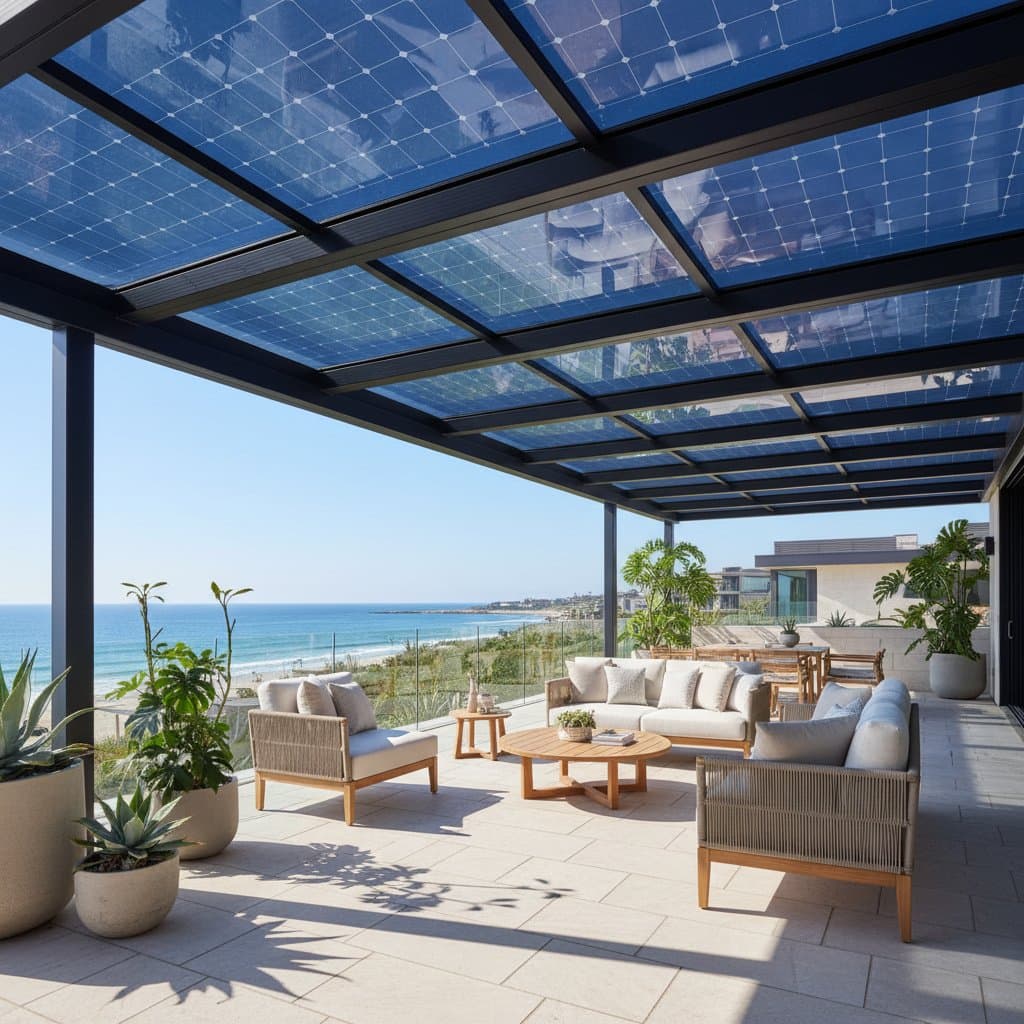
Solar glass roofs represent an innovative solution for homeowners seeking to merge functionality with aesthetics in outdoor spaces. These structures integrate photovoltaic technology into transparent panels, allowing sunlight to pass through while capturing energy for power generation. In coastal regions, where patios often serve as central gathering spots, such roofs provide essential shade without sacrificing the open-air feel.
The appeal lies in their dual role: they shield against intense sun exposure and contribute to household electricity needs. Homeowners report noticeable reductions in utility bills, often offsetting installation costs over time through generated savings. This guide examines key considerations, from pricing factors to practical implementation, to help you decide if a solar glass roof suits your property.
Factors Influencing the Cost of Solar Glass Roofs
Installation expenses for solar glass roofs typically range from $28,000 to $42,000, depending on several variables. Each element affects not only the upfront investment but also the system's efficiency and longevity. Below, we detail the primary contributors to these costs.
Panel Efficiency
Higher-efficiency glass panels command a premium price yet deliver superior power output per square foot. Standard models convert about 15 to 20 percent of sunlight into electricity, while advanced options reach 22 percent or more. Selecting efficient panels ensures greater energy production, which accelerates the return on investment through lower bills.
Roof Design
Custom configurations, such as curved panels or intricate framing, elevate labor demands and material needs. Simple rectangular setups keep costs lower, but tailored designs enhance visual integration with your home's architecture. Consider how the roof's shape aligns with your patio's layout to balance aesthetics and budget.
Permits and Inspections
Municipal fees for permits and inspections fluctuate, often adding $500 to $1,500 to the total. These requirements ensure compliance with safety standards, particularly for electrical components. Contact your local building department early to anticipate these expenses and avoid delays.
Electrical Upgrades
Properties with outdated wiring may require panel enhancements or new inverters, increasing costs. Inverters convert solar energy into usable electricity, and modern units improve system reliability. An electrician can assess your home's needs during the planning phase.
Coastal Weatherproofing
In salty, humid environments, specialized coatings and stainless-steel fasteners prevent corrosion. These additions extend the roof's lifespan, making them essential for coastal durability. Without them, exposure to marine air could lead to premature wear.
Energy Storage
Incorporating a battery system boosts expenses by $8,000 to $15,000 but enables off-grid capability. Batteries store excess power for evening or cloudy-day use, maximizing self-sufficiency. Evaluate your energy patterns to determine if storage aligns with your goals.
Strategies to Reduce Costs on Solar Glass Roofs
Achieving affordability requires thoughtful planning. The following approaches allow you to preserve quality while trimming expenses.
-
Determine Optimal System Size: Assess your household's energy consumption to select a roof that matches actual requirements. Oversizing leads to unnecessary spending; tools like online calculators can guide this process.
-
Integrate with Existing Projects: Pair the solar installation with a patio renovation to consolidate labor and permitting fees. This synergy often results in substantial savings on combined work.
-
Opt for Standard Panel Dimensions: Standardized sizes minimize manufacturing and transportation charges associated with custom cuts. They also simplify installation, reducing on-site time.
-
Explore Available Incentives: Regional programs, including tax credits and rebates, can offset 15 to 30 percent of costs. Research federal and state options through government resources to claim these benefits.
-
Time the Installation Wisely: Off-peak seasons, such as winter months, see reduced contractor rates due to lower demand. Booking ahead secures these discounts without compromising service.
Professional Installation Versus DIY Approaches
Solar glass roofs involve intricate electrical and structural work, making professional involvement advisable. While basic pergola assembly might appeal to handy homeowners, full solar integration demands expertise.
Advantages of DIY
- Labor savings free up funds for other upgrades.
- Opportunities for personalized adjustments to fit unique preferences.
- Hands-on involvement fosters a deeper understanding of the system.
Drawbacks of DIY
- Potential electrical risks pose safety concerns without proper training.
- Improper setup may cause leaks or collapses, leading to costly repairs.
- Many warranties become invalid if installation deviates from manufacturer guidelines.
Hiring certified professionals ensures code compliance, optimal performance, and preserved warranties. They also navigate incentives and inspections efficiently.
Pitfalls to Sidestep in Solar Glass Roof Projects
Avoiding common errors preserves both budget and functionality. Pay attention to these areas during planning and execution.
- Select panels lacking certification for salt and moisture resistance, which accelerates degradation in coastal settings.
- Overlook site-specific shading assessments, resulting in suboptimal energy capture.
- Neglect verification of local codes regarding load-bearing capacities for wind and weight.
- Omit essential waterproofing layers or corrosion-proof hardware, inviting long-term damage.
- Underestimate routine upkeep, such as clearing accumulated salt from panel surfaces.
By addressing these proactively, you secure a reliable, high-performing installation.
Frequently Asked Questions About Solar Glass Roofs
Does a Solar Glass Patio Roof Require a Permit?
Local authorities mandate permits for installations involving electrical elements or structural modifications. Consult your building department to confirm specific rules and initiate the process promptly.
What Is the Expected Lifespan of a Solar Glass Roof?
Premium panels endure 25 to 30 years or beyond with regular care. Tempered, laminated glass withstands corrosion and impacts, ideal for harsh coastal conditions.
Can Solar Glass Panels Supply Power to an Entire Home?
System capacity and usage patterns dictate this. A typical patio setup generates 3 to 4 kilowatts, sufficient to cover significant daytime needs for many households.
What Maintenance Involves a Solar Glass Roof?
Routine tasks remain light. Wash panels with fresh water to eliminate salt, sand, and debris. Arrange expert checks every few years to inspect connections and seals.
Are Solar Glass Roofs Resilient in Coastal Storms?
Proper construction renders them sturdy. Laminated glass handles high winds and debris, while rust-resistant frames combat humidity effects.
Do Solar Glass Panels Function on Overcast Days?
Output persists under indirect light, dropping by 10 to 25 percent. Coastal areas benefit from steady performance across varied weather.
Does a Solar Glass Roof Elevate Property Value?
Integrated solar enhancements appeal to buyers, often increasing appraisals through energy savings and contemporary style.
Integrating Solar Glass Roofs into Daily Outdoor Living
Once installed, a solar glass roof transforms patio routines by providing consistent shade and reliable power. Use the generated energy to run lights, fans, or appliances, extending enjoyable evenings outdoors. Regular monitoring via system apps tracks production and savings, reinforcing the investment's value. This setup not only lowers costs but also aligns your home with sustainable practices for lasting environmental impact.