
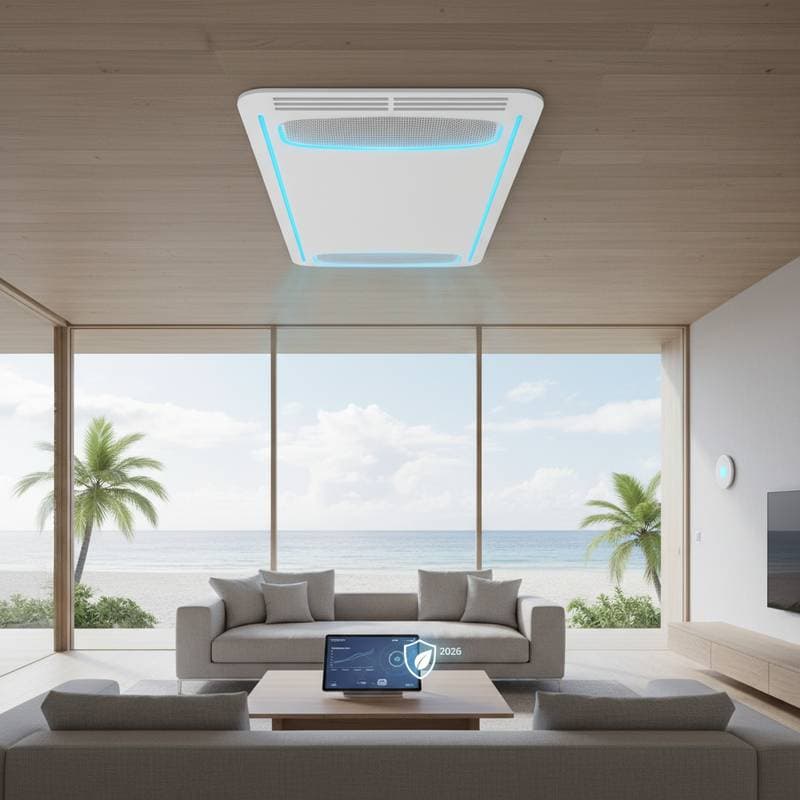
- Property Dimensions and Design: Expansive or multi-level homes necessitate additional units for uniform coverage.
- Baseline Humidity: Properties with persistent moisture issues might require supplementary sensors or dehumidification.
- Current Infrastructure: Adapting aged ducts increases labor demands.
- Automation Compatibility: Wi-Fi-enabled systems with app controls carry higher initial prices but enhance efficiency over time.
- Efficiency Specifications: Advanced variable-speed motors reduce energy draw yet elevate upfront costs.
- Regional Differences: Municipal labor rates and regulatory hurdles vary by area.
Anticipating these variables enables precise budgeting and minimizes unforeseen charges.
Advantages Extending Past Mold Control
Beyond curbing mold, these vents elevate living standards, indoor health, and asset longevity.
- Power Conservation: Operation occurs only during necessity, slashing electricity use by up to 30 percent.
- Wellness Safeguards: Reduced dampness limits dust mites, pathogens, and irritants.
- Building Integrity: Moisture management averts timber decay, surface deterioration, and material distortion.
- Seamless Automation: Compatibility with thermostats and dehumidifiers fosters holistic environmental regulation.
- Quiet Operation: Speed-modulated fans produce less noise than fixed-rate predecessors.
Such advantages justify the expenditure through sustained comfort and preservation.
Strategies to Lower Installation Costs
Upfront expenses concern many, yet targeted approaches can trim outlays while preserving efficacy.
- Upgrade Existing Fixtures: Leverage current wiring and ducts to shorten setup duration.
- Select Balanced Options: Mid-tier units provide core functions without extraneous monitoring capabilities.
- Coordinate with Renovations: Align installation with broader updates to consolidate contractor fees.
- Seek Incentives: Energy providers sometimes subsidize humidity-regulating installations.
- Maintain Diligently: Routine servicing prolongs utility and averts premature replacements.
These tactics often yield 10 to 25 percent savings, scaled to the undertaking's scale.
Choosing Between DIY and Expert Installation
Self-Installation Option
Individuals skilled in electrical work can swap a basic vent following provided directives. Such tasks span about two hours and involve under $400 in supplies. Nonetheless, errors in wiring or positioning may impair function or pose risks.
Advantages
- Reduced expenses
- Flexible scheduling
- Empowerment for capable participants
Disadvantages
- Potential for technical errors
- Voided labor warranties
- Possible code violations
Expert Installation
Engaging certified professionals guarantees secure wiring, optimal airflow distribution, and full warranty applicability. They evaluate site-specific moisture dynamics to position units effectively throughout the property.
Advantages
- Thorough evaluation and regulatory adherence
- Superior system equilibrium
- Comprehensive coverage
Disadvantages
- Elevated pricing
- Dependence on availability
Professionals remain the preferred route for coastal properties seeking reliable outcomes.
Pitfalls to Sidestep During Setup
Steering clear of common oversights maximizes system effectiveness:
- Overlooking Duct Imperfections: Leaks compromise sensor precision by allowing moisture retention.
- Misplacing Units: Position vents proximate to water-intensive zones like bathing areas or appliances.
- Neglecting Upkeep: Accumulated debris on sensors hampers detection accuracy.
- Bypassing Automation: Frequent manual adjustments undermine consistent regulation.
- Undersizing Capacity: Isolated units fail to address widespread humidity demands.
Adhering to operational manuals prevents diminished returns and mold recurrence.
Essential Questions on Moisture-Sensing Vents
Does Installation Require Permits?
Routine replacements seldom need approvals if circuits stay intact. Additions involving new wiring or exterior modifications typically do. Consult local authorities prior to proceeding.
What Is the Expected Lifespan?
Premium units endure 10 to 15 years under routine care. Corrosion-resistant metal casings and durable components prolong service in marine climates.
Are They Compatible with Current Smart Systems?
Affirmative. Wi-Fi or Bluetooth connectivity supports integration with leading automation ecosystems, enabling remote oversight and adjustments.
What Maintenance Is Involved?
Tasks include quarterly grille cleaning, sensor dusting, and humidity testing via steam introduction. Certain models feature diagnostic alerts for recalibration.
How Efficient Are They Energy-Wise?
These vents utilize 30 to 50 percent less power than conventional ones by activating selectively. Brushless, variable-speed designs maximize savings.
Can They Eradicate Present Mold?
They halt further growth through humidity mastery but do not remediate established infestations. Address remediation beforehand for optimal efficacy.
Which Features Boost System Value Most?
Multi-room networked configurations that dynamically ventilate across zones deliver superior uniformity, eliminating isolated moisture pockets.
Implementing Your Upgrade
Adopting moisture-sensing vents fortifies coastal homes against environmental pressures. This innovation yields pristine air, enduring structures, and operational efficiencies in one comprehensive solution. Though initial costs register notably, gains in well-being and assurance prove substantial.
Incorporate them during ongoing renovations to optimize placement and curtail labor. Collaborate with HVAC experts attuned to seaside conditions for tailored execution.
Post-installation, expect enhanced freshness, stable climates, and mold-free assurance. Sustained maintenance ensures enduring peak performance, rendering your dwelling robust against inevitable coastal moisture.