
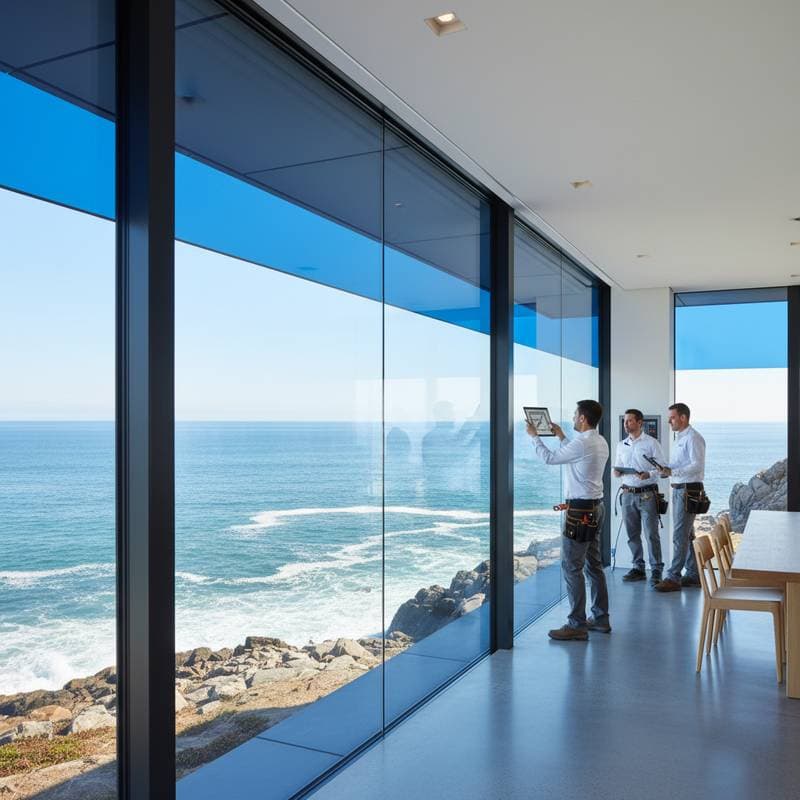
Smart Glass Blocks 99% Heat in Coastal Renovations
Homeowners in coastal areas face the challenge of maintaining cool interiors while appreciating ocean views. Intense sunlight, high humidity, and glare from water surfaces often create uncomfortable heat inside. Smart glass, known as electrochromic glass, addresses these issues. This material tints automatically to manage heat and light, blocking up to 99% of solar heat. For coastal renovation projects, it provides an elegant solution that combines energy savings with comfort, privacy, and aesthetic appeal.
This guide details the operation of electrochromic glass, its advantages for seaside properties, financial aspects, and integration strategies. Readers gain insights into transforming their living spaces for reduced energy expenses and enhanced enjoyment.
Understanding Smart Glass Technology
What Is Electrochromic Glass?
Electrochromic glass functions as a smart window that alters transparency through electrical current. A specialized coating between glass layers responds to the current by tinting or clearing the surface. Homeowners gain control over sunlight and heat entry without relying on traditional shades or blinds.
In its darkest state, the glass blocks up to 99% of solar heat and ultraviolet rays. Interiors stay cooler, and furnishings resist fading from prolonged exposure. When transparent, it permits natural illumination to enhance spaces without the intensity of direct coastal sunlight.
How It Works in Coastal Environments
Coastal regions experience strong sunlight, moisture, and reflections off the sea. Standard windows capture this heat, increasing the workload on cooling systems. Electrochromic glass adapts in real time to environmental changes. It tints progressively as sunlight intensifies, stabilizing indoor temperatures and easing energy demands. This adaptability proves essential for coastal cooling, where consistent comfort presents ongoing difficulties.
Sensors detect light levels and trigger adjustments automatically. For example, during peak afternoon sun, the glass darkens to minimize heat gain. At dusk, it clears to allow evening views, optimizing daily comfort without manual intervention.
Benefits of Smart Glass in Coastal Renovations
Improved Energy Efficiency
Electrochromic glass diminishes dependence on mechanical cooling by regulating solar heat influx. Indoor temperatures remain stable, reducing air conditioning usage. Savings depend on factors such as local weather and window orientations, yet many residents report significant drops in utility bills.
Consider a typical coastal home with large windows facing the sea. Without smart glass, cooling costs might consume 30% of summer energy budgets. With this technology, reductions of 20% to 50% become achievable through precise heat management.
Enhanced Comfort and Privacy
Rooms illuminated by natural light avoid glare-related discomfort. Full views of the ocean remain accessible without the need for shades. The tinting capability ensures daytime privacy while admitting soft light. This feature suits open-plan coastal designs that prioritize both seclusion and brightness.
Adjust the tint to a subtle level for reading or entertaining guests. The glass maintains visibility outward but obscures interior details from passersby, fostering a secure yet inviting atmosphere.
Protection Against UV Damage
Ultraviolet rays from coastal sun exposure degrade interior elements over time. Floors, artwork, and upholstery fade under constant assault through ordinary windows. Electrochromic glass filters these rays effectively, safeguarding materials and extending their durability.
Homeowners preserve the vibrant colors of rugs and paintings without frequent replacements. This protection aligns with sustainable renovation goals by minimizing waste from sun-damaged items.
Modern Aesthetic Appeal
The sleek profile of smart glass integrates smoothly into contemporary coastal designs. It removes the visual clutter of drapes or blinds, emphasizing unobstructed horizon lines. Suitable for beachfront apartments or rustic seaside homes, it elevates functionality alongside refined style.
Pair it with neutral frames for a minimalist look or tinted edges to match exterior palettes. The result creates a seamless indoor-outdoor connection that enhances property value.
Planning Your Smart Glass Installation
Evaluating Your Home’s Needs
Assess rooms exposed to maximum sunlight first. Windows oriented south or west capture the most intense rays and benefit greatly from upgrades. Focus on high-traffic areas such as living spaces, kitchens, and enclosed patios where heat accumulates quickly.
Measure window dimensions and note frame conditions. Consider adding smart glass to overhead skylights for uniform cooling. This targeted approach maximizes return on investment by addressing primary heat sources.
Budgeting and Cost Expectations
Initial expenses for smart glass exceed those of standard options, typically $90 to $150 per square foot with installation included. Variations arise from custom sizes, complex shapes, and advanced controls. Long-term benefits, including lower energy bills and less HVAC maintenance, recoup the outlay within 5 to 10 years.
Obtain estimates from at least three suppliers to compare options. Factor in potential incentives like tax credits for energy-efficient upgrades. Review warranty terms, which often cover 10 to 20 years, to ensure protection against defects.
Choosing the Right Contractor
Professional installation demands accuracy in wiring and sealing, particularly in humid environments. Select contractors experienced with smart window technologies through portfolio reviews. Confirm licensing, insurance coverage, and references from coastal installations.
Request details on their approach to salt-corrosion prevention. A skilled team ensures reliable performance, avoiding issues like electrical shorts from moisture ingress.
Integration with Smart Home Systems
Compatible electrochromic glass links to automation ecosystems for enhanced control. Set schedules based on time of day or link to weather apps for predictive tinting. Voice activation through devices like assistants simplifies adjustments.
During renovations, plan wiring alongside other smart features such as lighting or security. This setup allows remote monitoring via mobile apps, providing convenience for vacation homes.
Maintenance and Longevity
Routine care for electrochromic glass involves gentle cleaning with soap and water solutions. Avoid abrasive cleaners that might harm the conductive coating. Systems endure for 20 years or longer when installed correctly and connections stay secure.
Schedule annual checks with installers to examine seals and wiring. In salty coastal air, these inspections prevent corrosion and maintain efficiency. Prompt attention to minor issues extends the technology's reliable service life.
Frequently Asked Questions
How does smart glass block heat?
Layers within electrochromic glass respond to electrical charges by increasing opacity. In tinted mode, they reflect and absorb solar radiation, preventing up to 99% of heat from penetrating indoors.
Can smart glass be installed in existing window frames?
Yes, retrofitting occurs frequently. Success hinges on frame compatibility and access for electrical work. Consult a specialist for a site evaluation to determine feasibility.
Does smart glass work during power outages?
Units hold their previous tint setting without power. If darkened at outage onset, they remain so until electricity returns, preserving privacy and heat control.
Is smart glass safe for coastal weather?
Manufacturers engineer it for resilience against humidity, salt, and temperature swings. Sealed installations resist environmental degradation, ensuring durability in seaside conditions.
What maintenance does smart glass require?
Wipe surfaces with soft cloths and mild detergents regularly. Annual professional reviews of connections and seals suffice, particularly in corrosive coastal atmospheres.
Can it connect to other smart home devices?
Integration with thermostats, lights, and hubs is standard. Automate tinting via apps or schedules for seamless operation across connected systems.
Does smart glass qualify for energy rebates?
Many regions offer rebates or tax credits for energy-efficient windows. Check local utility programs or federal incentives like those from the Energy Star initiative. Eligibility often requires certified products and professional verification.
Upgrade Your Coastal Space with Smart Glass
Implementing smart glass elevates renovations by prioritizing energy savings and visual harmony. It sustains ocean panoramas alongside controlled climates and secure privacy. Begin with a professional consultation to tailor this technology to your home's unique demands, unlocking lasting benefits for seaside living.