
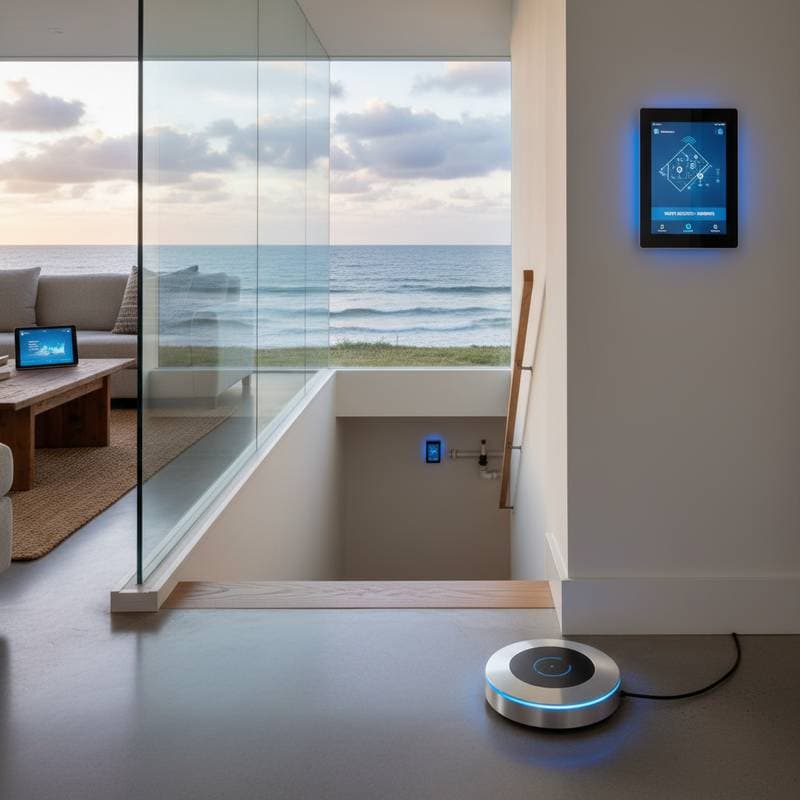
Smart Sensors Shield Coastal Basements from Tides
Living near the coast provides stunning views and invigorating breezes, yet it introduces a subtle hazard. Rising tides and groundwater seepage can undermine basement integrity without warning. Even minimal water intrusion leads to structural weakening, mold proliferation, and destruction of stored items. Coastal residents increasingly rely on advanced technology to safeguard their properties. Smart flood sensors emerge as essential tools in this effort, delivering continuous surveillance and prompt notifications to avert expensive repairs.
This guide details the role of smart sensors in safeguarding coastal basements against tidal flooding. Readers gain insights into device functionality, optimal installation sites, and selection criteria for suitable systems.
Understanding the Coastal Basement Threat
Basements adjacent to shorelines encounter distinct moisture vulnerabilities. Tidal surges, intense rainfall, and subterranean water forces infiltrate through foundation fissures. Conventional sump pumps and alerts activate post-intrusion, limiting response windows. Smart flood sensors identify escalating humidity or liquid contact in advance, enabling timely intervention.
Common Causes of Coastal Basement Flooding
- High Tide and Storm Surges: Elevated ocean levels drive water inland, elevating the water table and compelling seepage via basement barriers.
- Hydrostatic Pressure: Accumulated groundwater exerts force on concrete, penetrating vulnerabilities under sustained load.
- Poor Drainage or Grading: Coastal terrains frequently retain moisture, channeling it toward structural bases.
- Cracked Foundations or Sealant Failure: Minor fractures expand with cyclic pressure, permitting entry during peak tidal events.
Awareness of these factors underscores the necessity of preemptive monitoring.
How Smart Flood Sensors Work
Smart flood sensors consist of compact, battery-operated units that register water contact or humidity fluctuations. These devices link to residential Wi-Fi or central hubs, dispatching immediate signals to smartphones or voice assistants upon detection.
Key Components and Features
- Moisture Detection Probes: Identify physical water exposure through conductive tips.
- Humidity and Temperature Sensors: Track ambient conditions to forecast potential condensation or infiltration.
- Wi-Fi or Bluetooth Connectivity: Transmit data to user devices or integrated platforms.
- Battery Backup: Maintains operation amid electrical disruptions.
- Integration with Smart Home Systems: Activates automated responses, such as pump engagement or valve closure.
These elements form a vigilant network, facilitating swift countermeasures against emerging threats.
Strategic Placement for Maximum Protection
Sensor positioning rivals the technology in importance for efficacy. Isolated units suffice for modest spaces, but expansive or irregular basements demand coordinated arrays.
Primary Locations to Install Sensors
- Near Foundation Walls: Position along lower wall sections to capture initial seepage points.
- Beside Sump Pumps: Monitor for overflow or mechanical shortcomings.
- Around Water Heaters and HVAC Units: Intercept localized leaks promptly.
- Under Windows or Vents: Vigilate storm-prone entryways.
- At Floor Drains: Verify operational integrity of outflow mechanisms.
Networking multiple sensors enhances oversight. Compatible apps consolidate data from diverse zones, yielding comprehensive environmental assessments.
Choosing the Right Smart Sensor System
Market abundance complicates selection, yet alignment with specific needs simplifies decisions. Consider basement configuration, current barriers, and automation preferences when evaluating options.
What to Look For in a Smart Flood Sensor
- Real-Time Alerts: Confirm delivery of immediate mobile notifications.
- Ease of Setup: Prioritize plug-and-play models avoiding intricate cabling.
- Integration Compatibility: Ensure synergy with platforms like Alexa or Google Home.
- Customizable Sensitivity: Permit threshold adjustments to minimize erroneous triggers.
- Durability and Battery Life: Select units resistant to saline humidity, with extended power retention.
Professional vs. DIY Installation
User-friendly designs support self-installation for straightforward applications. For extensive properties or intricate setups, engage certified specialists. They evaluate vulnerability hotspots, fine-tune calibrations, and interface with preexisting defenses. Verify credentials, insurance coverage, and obtain detailed cost proposals prior to commitment.
Integrating Smart Sensors with Broader Flood Protection
Sensors amplify effectiveness within multifaceted strategies. Layered defenses collectively diminish severe inundation risks.
Complementary Flood Protection Measures
- Sump Pumps with Backup Power: Mitigates accumulation during grid failures.
- Foundation Sealing: Seals fissures to curb permeation.
- Drainage Upgrades: Redirects runoff from perimeters.
- Dehumidifiers: Regulates moisture to inhibit fungal development.
- Backwater Valves: Blocks reverse flow from tidal influences.
Unified mechanical and digital protocols yield robust resilience to variable coastal dynamics.
Frequently Asked Questions
How do smart flood sensors alert homeowners?
Systems dispatch push notifications, SMS messages, or local sirens upon detection. Advanced variants engage linked appliances, such as illuminating fixtures or initiating pumps, to highlight issues.
Can smart sensors prevent flooding on their own?
Sensors alert rather than block water entry. Optimal outcomes arise from coupling them with pumps, enhanced drainage, and barrier applications.
What maintenance do smart flood sensors require?
Conduct monthly visual checks for cleanliness and dryness. Simulate activations using moistened fabric on probes to confirm responsiveness. Adhere to manufacturer guidelines for battery replacements.
Are smart flood sensors expensive?
Costs fluctuate by model and capabilities. Entry-level singles begin affordably, whereas comprehensive networks with automations command premium pricing. Balance features against budget constraints.
Will coastal humidity cause false alarms?
Inferior devices may misfire in saturated air, but premium options incorporate tunable thresholds suited to maritime climates. Review technical specs to ensure environmental robustness.
Can I connect flood sensors to my existing security system?
Many sensors interface via protocols like Z-Wave or Zigbee, allowing incorporation into security panels for unified alerts and responses.
Do I need Wi-Fi for the sensors to work?
Wi-Fi enables remote notifications, but cellular or hub-based alternatives function offline for local alarms. Assess connectivity based on home infrastructure.
Implementing Your Flood Defense Plan
Securing a coastal basement demands proactive evaluation and execution. Smart flood sensors supply the foresight absent in legacy methods. Strategically deploy them alongside comprehensive waterproofing to establish enduring safeguards. Assess vulnerabilities, procure tailored solutions, and perform routine verifications to sustain protection.