
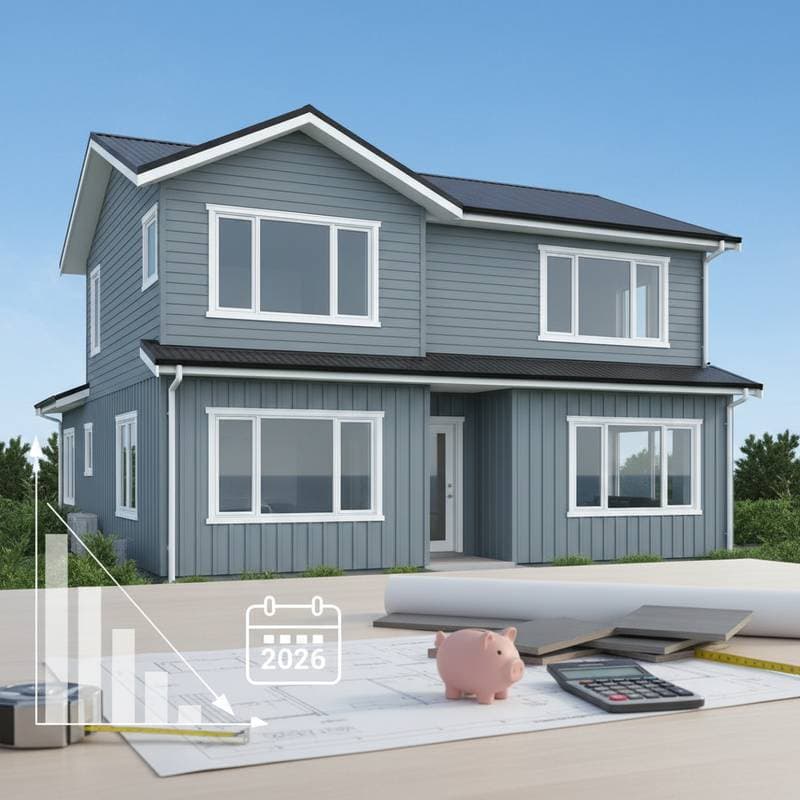
How to Save 30% on Fiber Cement Siding in 2026
Fiber cement siding stands out as a wise choice for enhancing a home's exterior. It provides the aesthetic of wood siding while offering superior durability and reduced upkeep requirements. Homeowners often pause due to expense, yet strategic approaches, optimal timing, and thorough preparation enable savings of up to 30 percent on such projects without compromising quality or visual appeal.
This resource outlines methods to establish a practical budget, identify pricing determinants, and implement reliable cost-reduction techniques. Readers gain a straightforward, executable framework to secure their property and finances effectively.
Average Cost of Fiber Cement Siding
The national average for installing fiber cement siding falls between $10,000 and $24,000, influenced by factors such as home dimensions, selected materials, and regional labor charges. Per square foot, installation typically costs $6 to $14, with an average of approximately $9.
For a standard 2,000-square-foot residence, siding coverage amounts to about 1,500 square feet after accounting for doors and windows. This results in project expenses ranging from $9,000 to $21,000 for many properties.
Cost Breakdown by Project Scope
| Project Type | Typical Size | Total Cost Range | Description |
|---|---|---|---|
| Small Home | 1,000 sq. ft. | $6,000 - $10,000 | Compact single-story home |
| Mid-Range Home | 1,500 sq. ft. | $9,000 - $18,000 | Average suburban home |
| Large Home | 2,500 sq. ft. | $15,000 - $30,000 | Two-story home or complex layout |
| Luxury Home | 3,000+ sq. ft. | $20,000 - $40,000+ | Custom architecture or premium finishes |
These estimates encompass materials and labor, excluding extras like trim, soffits, or painting.
Cost by Material and Finish
Fiber cement siding appears in diverse forms, including smooth panels and wood-grain planks. Selections affect not only style but also overall expenditure.
| Material Type | Cost per Sq. Ft. (Material Only) | Durability | Maintenance | Aesthetic Appeal |
|---|---|---|---|---|
| Smooth Lap | $2.50 - $4.00 | Excellent | Low | Clean, modern |
| Wood-Grain Lap | $3.00 - $4.50 | Excellent | Low | Traditional wood look |
| Shingle or Shake | $4.00 - $6.50 | Very High | Low | Craftsman or coastal style |
| Vertical Panels | $3.50 - $5.00 | High | Low | Contemporary or farmhouse look |
| Pre-Finished Panels | $5.00 - $7.00 | Very High | Very Low | Factory color finish, no painting needed |
Strategic mixing of styles creates visual interest with minimal added expense. For instance, apply lap siding to primary surfaces and shingles to gables or focal areas.
Labor Costs and Installation Factors
Labor constitutes 40 to 60 percent of overall siding expenses. Professionals charge $3 to $7 per square foot, varying by location, site access, and project intricacy. In high-cost regions, rates approach the higher threshold.
Factors That Influence Labor Cost
- Home height and layout: Multi-story structures or sloped roofs demand extended use of ladders and scaffolding.
- Existing siding removal: Demolition of prior materials incurs an additional $1 to $2 per square foot.
- Trim and detail work: Ornamental elements, soffits, and window surrounds extend labor duration.
- Painting: Opting for primed rather than pre-finished boards introduces costs of $2,000 to $5,000.
- Weather and season: Adverse conditions like intense heat or precipitation prolong efforts and elevate hours billed.
Awareness of these aspects refines project scheduling and financial projections.
Factors That Influence the Total Cost
Multiple elements shape the final outlay prior to installation. Consider these contributors:
- Material grade and brand
- Thickness and design pattern
- Regional labor rates
- Permits and inspections
- Waste disposal fees
- Underlying wall repairs
- Delivery and storage logistics
Such items may increment totals by hundreds to thousands of dollars. Contractors provide itemized estimates to clarify inclusions.
How to Save 30% on Fiber Cement Siding
A 30 percent savings proves attainable through integrated purchasing savvy, seasonal awareness, and precise organization. Implement these tactics:
- Secure multiple quotes. Request bids from at least three licensed professionals to foster competition, potentially trimming labor by 10 to 15 percent.
- Time projects for off-peak periods. Reduced demand in cooler seasons yields discounts of 5 to 10 percent.
- Purchase materials in bulk. Collaborate with neighbors or associations to lower per-unit material prices by 5 to 8 percent.
- Choose factory-finished siding. Pre-colored options bypass painting fees and extend warranty coverage.
- Opt for simplified designs. Uniform lap siding installations cost less than intricate patterns or elaborate trims.
- Perform preparatory tasks independently. Clearing old siding or prepping surfaces saves substantial labor charges.
- Negotiate waste management. Self-handling debris avoids contractor surcharges.
Layering these approaches delivers reductions approaching one-third of the budget.
DIY vs. Hiring a Professional
Fiber cement siding installation appears simple yet demands physical strength and technical precision. Boards prove heavy, necessitate accurate cuts, and require tools like fiber cement shears or diamond blades.
DIY Considerations
Pros:
- Labor avoidance slashes costs by up to 40 percent
- Complete oversight of timeline and customization
Cons:
- Handling dense, fragile materials challenges solo efforts
- Installation flaws risk warranty invalidation
- Essential equipment and dust-control measures add upfront investment
Professional Installation
Pros:
- Expedited, secure completion
- Ensured warranties and craftsmanship
- Optimal sealing for enduring weather resistance
Cons:
- Elevated initial expenditure
- Scheduling reliant on provider availability
Professionals offer the most reliable path for the majority, as sustained performance and protections surpass DIY economies.
Common Mistakes to Avoid
Preventing errors preserves investments as effectively as discounts. Steer clear of these oversights:
- Omitting moisture barriers: Install robust house wrap under siding to avert water retention issues.
- Selecting unsuitable fasteners: Employ only stainless or hot-dipped galvanized nails.
- Misaligning joints: Excessive gaps or overlaps invite material fractures.
- Overlooking edge sealing: Protect cut areas on pre-finished boards with sealant.
- Disregarding ventilation: Facilitate airflow behind siding to inhibit mold development.
Precise execution prolongs durability and curbs ongoing care.
Questions to Ask a Contractor Before Hiring
Prior to commitment, pose these inquiries for clarity and assurance:
- Do you hold certification for this manufacturer's fiber cement products?
- What labor and material warranties apply?
- Will you manage permits and inspections?
- How do you safeguard landscaping and windows on site?
- Can you share references from comparable recent installations?
- Does the estimate cover waste disposal?
- What payment terms structure the process?
Explicit responses mitigate surprises and concealed charges.
Frequently Asked Questions About Fiber Cement Siding
Do I need a permit for fiber cement siding installation?
Local authorities generally mandate permits for siding replacements. Consult the municipal building office early. Contractors frequently process required documentation.
How long does fiber cement siding last?
With proper installation and care, fiber cement endures 30 to 50 years. Resistance to decay, pests, and fire positions it among premier exterior options.
What adds the most value to a siding upgrade?
Pre-finished selections with extended warranties and expert trim work elevate resale appeal. Prospective buyers value enduring aesthetics and minimal maintenance.
Is fiber cement siding good for coastal climates?
It excels in humid or saline settings, suiting seaside residences. Non-corrosive properties prevent warping seen in vinyl or wood alternatives.
How should I maintain fiber cement siding?
Conduct yearly inspections for damage or fading. Wash with gentle soap solutions. Refresh paint on primed surfaces every 15 years; factory finishes demand little intervention.
Can I mix fiber cement with other materials?
Yes, pairings with stone veneer or stucco create appealing contrasts. Install flashing at junctions to block moisture entry.
Does color choice affect price?
Darker pre-finished hues may incur minor premiums from pigmentation, yet they prolong finish longevity for better value over time.
Steps to Launch Your Siding Project
Fiber cement siding upgrades rank among the most impactful exterior improvements. Through diligent planning, bid comparisons, and material selections, achieve 30 percent savings alongside resilient, attractive results.
Begin with estimate collection from trusted providers and assess pre-finished options against your budget. The finished exterior withstands elements, preserves allure, and appreciates property worth for years ahead.