
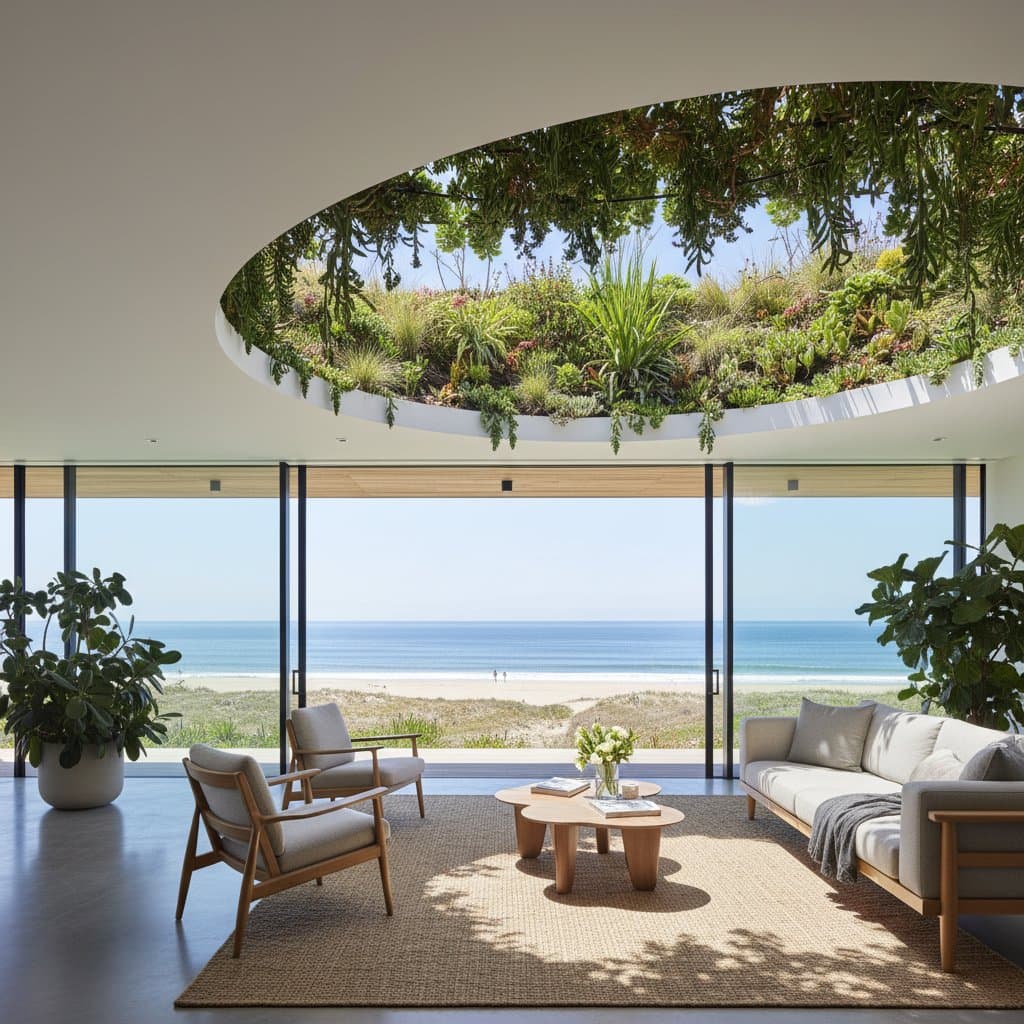
Living Roofs Block 60% More Heat in Beach Homes
Coastal homes encounter distinct challenges from salt-laden air, persistent humidity, and intense solar exposure. Installing a living roof emerges as one of the most effective strategies to manage heat while fostering a beautiful and sustainable living environment. Research indicates that green roofs block up to 60% more heat than traditional roofing materials, positioning them as a wise investment for beachfront properties. Homeowners in sun-drenched coastal areas benefit from cooler interiors, reduced energy expenses, and enhanced year-round comfort.
What Is a Living Roof?
A living roof, commonly referred to as a green roof, consists of a layered system on a building's rooftop that sustains vegetation. This assembly generally incorporates a waterproof membrane, a drainage layer, a growing medium, and suitable plants. These elements collaborate to insulate the structure, capture rainwater, and lower roof surface temperatures.
Key Components of a Green Roof
- Waterproof membrane – safeguards against leaks and preserves the building's integrity.
- Root barrier – prevents plant roots from invading the underlying roof system.
- Drainage layer – facilitates water movement and avoids accumulation.
- Growing medium – comprises a lightweight soil blend optimized for elevated conditions.
- Plants – often include drought-resistant succulents, grasses, or regionally native varieties.
How Living Roofs Cool Coastal Homes
Living roofs mitigate heat via shading, evaporation, and insulation processes. Vegetation captures sunlight for photosynthesis, preventing it from warming the roof surface. The soil layer provides additional thermal resistance, impeding heat penetration into the living spaces below. This organic shield sustains indoor comfort through the hottest summer periods.
Average Heat Reduction Comparison
| Roof Type | Average Surface Temperature | Heat Blocked | Energy Savings Potential |
|---|---|---|---|
| Traditional asphalt roof | 150°F | 0% | Low |
| Reflective cool roof | 120°F | 30% | Moderate |
| Living green roof | 95°F | 60% | High |
These data underscore the superior performance of living roofs in coastal settings. The interplay of plants and soil dissipates solar energy, maintaining lower surface temperatures and easing the burden on cooling systems.
Benefits Beyond Cooling
Temperature regulation represents a primary benefit, yet living roofs yield advantages that span environmental, economic, and lifestyle domains. They promote ecological well-being, elevate property worth, and yield savings in upkeep over time.
Environmental Advantages
- Improved air quality via filtration of airborne pollutants.
- Stormwater management, with plants absorbing precipitation to minimize runoff.
- Habitat creation for pollinators and indigenous wildlife.
- Reduced carbon footprint through diminished energy use.
Economic and Lifestyle Benefits
- Lower utility costs arising from decreased cooling requirements.
- Extended roof lifespan, as protective layers shield against ultraviolet radiation.
- Enhanced property value attributable to eco-conscious attributes.
- Peaceful outdoor retreat, suitable for transformation into a rooftop garden or relaxation area.
Factors Influencing Living Roof Performance
Performance varies among green roofs based on multiple considerations. Homeowners must evaluate these to optimize cooling and efficiency outcomes.
1. Plant Selection
Selecting appropriate plants proves essential in coastal contexts. Opt for salt-resistant and arid-adapted options such as sedum, ice plant, or seaside grasses. These varieties endure elevated sunlight and wind while demanding little ongoing care.
2. Roof Design and Slope
Flat or low-slope roofs accommodate soil retention and uniform hydration most effectively. Steeper inclines necessitate extra reinforcement or segmented planting arrangements.
3. Depth of Growing Medium
Greater soil depth enhances insulation yet increases load. Residential installations commonly employ 4 to 6 inches to harmonize thermal benefits with structural limits.
4. Location and Orientation
Full-sun exposure maximizes green roof advantages. Structures oriented westward or southward achieve the greatest temperature drops.
5. Maintenance Practices
Routine evaluations, irrigation verification, and periodic trimming sustain plant vitality and system durability. Such diligence can double the service life compared to standard roofs.
Cost and Installation Overview
A living roof demands initial capital yet generates enduring returns. Expenses fluctuate with design intricacy, material choices, and reinforcement needs.
| Roof Type | Cost per Square Foot | Typical Lifespan | Average ROI |
|---|---|---|---|
| Traditional asphalt | $4 - $7 | 20 years | 30% |
| Cool reflective roof | $6 - $10 | 25 years | 50% |
| Living green roof | $15 - $30 | 40+ years | 65% - 80% |
Installation Phases
- Roof assessment and structural reinforcement – Evaluate load-bearing capacity and fortify as required.
- Waterproofing and drainage layer installation – Apply protective barriers and flow systems.
- Soil placement and plant selection – Position medium and choose compatible flora.
- Irrigation setup and inspection – Integrate watering mechanisms and test functionality.
- Final planting and system testing – Establish vegetation and confirm overall operation.
Engage certified specialists experienced in coastal installations. Accurate execution guarantees leak prevention and sustained efficacy.
Budgeting and Planning Tips
Effective planning involves establishing a feasible budget and schedule. Consider these strategies for success:
- Allocate 10% to 15% of funds for initial-year maintenance.
- Pursue regional rebates or green initiatives to defray startup expenses.
- Employ modular trays to simplify setup and allow scalability.
- Integrate native species to lessen irrigation demands and bolster regional biodiversity.
- Engage a structural engineer to verify roof capacity prior to proceeding.
Common Questions About Living Roofs
| Question | Answer |
|---|---|
| Do living roofs require a lot of maintenance? | Once established, they demand minimal effort, primarily seasonal trimming and watering assessments. |
| Can any roof support a green roof? | Most structures accommodate them, though aging ones might need fortification for weight. |
| Will it attract pests or insects? | Thoughtful designs incorporate pest-repelling plants while fostering helpful species. |
| How long does installation take? | Residential projects typically span one to two weeks, varying by scope. |
| Do living roofs leak? | Correct installation with a robust membrane ensures no leaks and prolongs durability. |
Sustaining Coastal Comfort Through Green Roofs
Living roofs transcend aesthetic appeal to address coastal living demands directly. By obstructing up to 60% more heat, they stabilize indoor climates and lessen reliance on artificial cooling. This approach yields reduced operational costs, heightened real estate appeal, and a lighter ecological impact over the years.
Beachfront residents prioritizing ease and environmental stewardship find in living roofs a multifaceted solution. Professional guidance and meticulous preparation convert rooftops into vibrant, efficient ecosystems that enhance daily living with cooler temperatures and sustainable practices.