
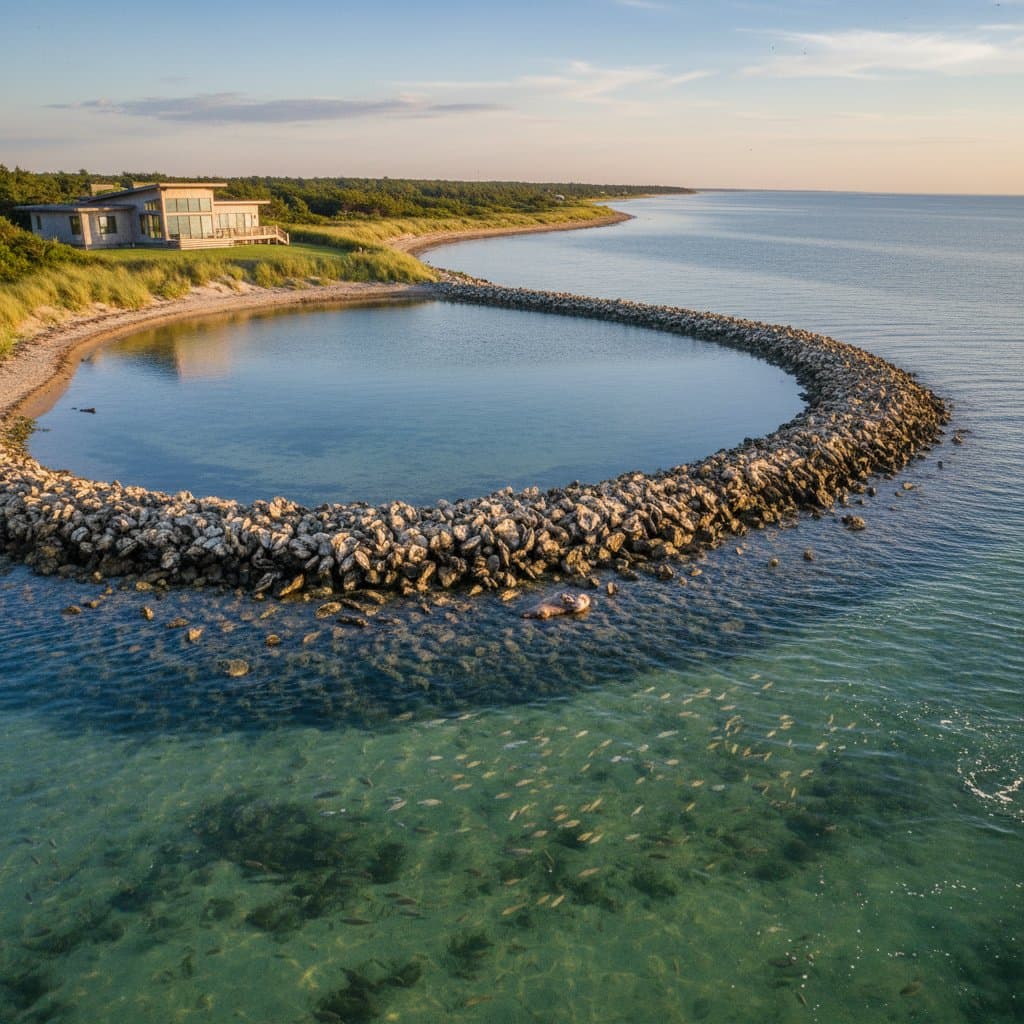
Oyster Reefs: Nature's Defense Against Coastal Erosion and Boost for Marine Ecosystems
Coastal living offers unparalleled views and recreational opportunities, yet it also presents risks from erosion, flooding, and severe weather. Conventional seawalls provide temporary protection, but they require significant investment and can harm surrounding ecosystems. Oyster reefs offer a superior alternative. These natural formations defend shorelines effectively while enhancing marine habitats and purifying water. Homeowners benefit from a collaborative relationship with the ocean, where natural processes support property stability.
Key Advantages of Oyster Reefs
- Oyster reefs function as natural barriers that dissipate wave energy and prevent shoreline erosion.
- They establish complex habitats that sustain fish, crustaceans, and various marine organisms.
- These structures filter contaminants and nutrients from water, promoting clearer and healthier aquatic environments.
- Unlike rigid concrete installations, oyster reefs expand and strengthen with time.
- Community members, including homeowners, can engage in restoration initiatives and adopt supportive landscaping practices.
Understanding Oyster Reefs
Oyster reefs consist of tightly packed oysters that form robust, multidimensional structures along coastlines. Similar to coral reefs in function, they offer refuge for aquatic species, secure sediments, and buffer land from oceanic forces. When waves encounter an oyster reef, the structure absorbs and scatters their force, safeguarding the adjacent shore.
Photo: A vibrant oyster reef dissipating waves near a residential coastal area
A single oyster can filter up to 50 gallons of water each day, capturing sediments and toxins. This process gradually improves water transparency and dissolved oxygen concentrations, benefiting wildlife and nearby human populations alike.
The Importance of Natural Protections for Coastal Properties
Erosion poses ongoing threats to coastal real estate values and resident safety. Intense storms, sea level rise, and vessel wakes gradually undermine shorelines. While concrete seawalls appear straightforward, they frequently redirect wave energy, accelerating damage to neighboring areas and disrupting native habitats.
Oyster reefs mitigate these issues by attenuating wave impacts through their permeable design. Water passes through the reef, minimizing agitation and allowing particles to deposit naturally. This fosters the development of adjacent marsh grasses and vegetation, creating an integrated living defense that reinforces itself progressively.
| Protection Method | Lifespan | Environmental Benefit | Maintenance Level |
|---|---|---|---|
| Concrete Seawall | 20-40 years | Low | High |
| Rock Revetment | 30-50 years | Medium | Moderate |
| Oyster Reef | Self-renewing | High | Low |
Ecosystem Enhancements from Oyster Reefs
The advantages of oyster reefs extend far beyond physical protection. Their textured surfaces create niches for numerous species, such as shrimp, young fish, and crabs. Increased populations of these organisms support thriving fisheries for both sport and commerce.
Primary Ecological Gains
- Water purification: Oysters remove suspended solids and excess nutrients, enhancing clarity and oxygenation.
- Biodiversity support: Reefs draw diverse marine species, fostering stable and varied ecosystems.
- Adaptive durability: These biological systems respond to environmental shifts, outperforming fixed structures.
- Carbon sequestration: Oysters incorporate carbon into their shells and the underlying sediments, aiding climate mitigation.
Tip: Residents near bays or estuaries should investigate regional oyster shell recycling initiatives. Reused shells often serve as substrates for cultivating new reefs.
Practical Steps for Homeowners in Oyster Reef Restoration
Individuals can contribute to coastal health without constructing personal reefs. Several accessible methods exist to aid habitat preservation and revival.
1. Participate in Local Restoration Efforts
Numerous coastal communities organize volunteer activities focused on gathering oyster shells, nurturing juvenile oysters, and deploying reef modules. These programs suit families and impart essential knowledge on ocean conservation.
2. Implement Supportive Yard Practices
Minimize pollutant runoff by selecting native plants and limiting chemical fertilizers. Reduced contamination enables oysters to flourish in cleaner conditions.
3. Endorse Sustainable Aquaculture
Purchase oysters from operations that return shells to restoration sites. Such choices directly bolster coastal recovery with each purchase.
4. Promote Integrated Shoreline Strategies
Urge municipal leaders to invest in living shorelines that incorporate oyster reefs alongside wetlands and mangroves. These multifaceted designs ensure enduring protection.
Photo: Community volunteers installing oyster clusters along a beachfront
Observing Changes from Nearby Oyster Reefs
Properties adjacent to restored reefs often experience noticeable improvements. Water clarity increases, fish sightings become more frequent, and wave intensity diminishes. Expanding seagrass meadows further stabilize the area, elevating both aesthetic appeal and market value.
Although oyster reefs demand minimal upkeep, ongoing assessments by conservation organizations maintain their vitality. Homeowners may collaborate with these groups for updates on reef performance.
Photo: Pristine, shallow coastal waters shielded by an oyster reef near a home
Advancing Coastal Resilience Through Action
Oyster reef-based living shorelines deliver comprehensive benefits, merging defense with ecological vitality. For coastal residents, they provide security alongside opportunities for environmental contribution. Engaging in restoration, advocating for natural solutions, or adopting informed practices all advance healthier coastlines. As tides advance, envision the subtle role of oysters in preserving shore integrity and aquatic purity.