
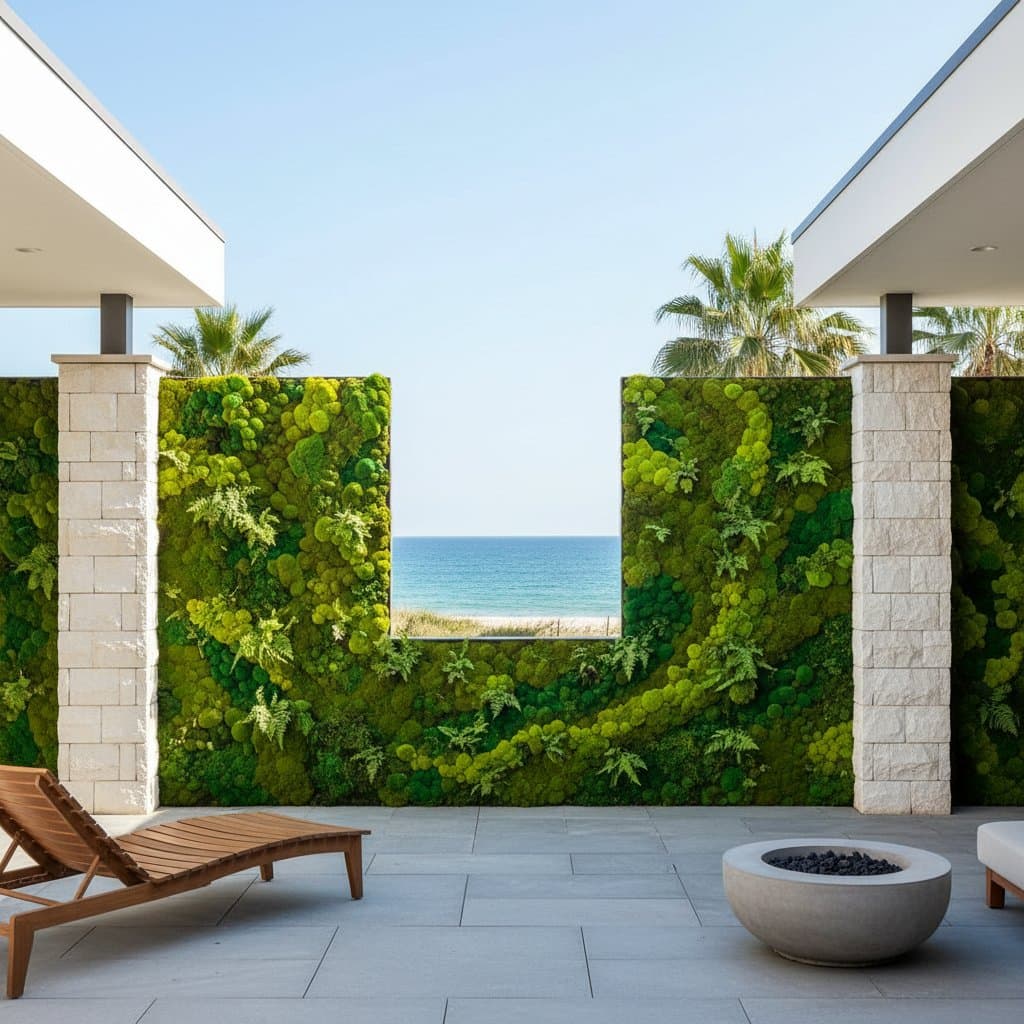
Introduction to Moss Walls for Coastal Living
Moss walls represent an innovative approach to outdoor design, particularly in coastal environments where traditional fencing often falls short. These living or preserved structures blend seamlessly with natural surroundings, offering privacy without the rigidity of wood or metal barriers. Homeowners appreciate their ability to thrive in humid, salty conditions while contributing to a greener lifestyle.
In regions like the California coast, moss walls have gained traction for their aesthetic appeal and functional benefits. Installation costs typically begin at $150 per square foot, influenced by factors such as scale, materials, and site specifics. Understanding these elements allows for informed decisions that balance beauty, budget, and sustainability.
Factors Influencing Moss Wall Costs
Several variables determine the final price of a moss wall project, especially along the coast where environmental demands add complexity. Labor, materials, and site conditions play key roles in establishing the investment required.
- Design Complexity: Intricate patterns, incorporation of varied plant types, or addition of lighting elements extend the time needed for fabrication and installation.
- Accessibility: Challenging access points or irregular terrain demand extra effort, increasing labor charges.
- Climate Conditions: In drier coastal pockets, the necessity for irrigation systems elevates ongoing water and upkeep expenses.
Additional considerations include the choice between live and preserved moss, with live options requiring more initial setup for vitality. Larger projects benefit from economies of scale, potentially lowering the per-square-foot rate. Consulting local experts helps tailor estimates to specific property needs.
Strategies to Reduce Moss Wall Expenses
Moss walls embody luxury, yet thoughtful planning enables cost management while preserving excellence. The following approaches focus on efficiency and resourcefulness.
- Incorporate Preserved Moss in Select Areas: Pair live panels with preserved versions in low-light or interior-adjacent spots to minimize irrigation needs.
- Construct a Custom Frame: Assemble a basic framework using durable treated lumber or metal, then engage specialists solely for moss application.
- Select Modular Panel Systems: Ready-made units streamline assembly and facilitate individual panel swaps in the future.
- Leverage Natural Moisture in Humid Areas: Coastal fog and rainfall often suffice for moss health, eliminating the cost of automated watering.
- Source Regional Moss Species: Opt for locally adapted varieties to cut transportation fees and enhance resilience.
- Incorporate Affordable Illumination: Solar-powered lights provide subtle enhancement without the expense of professional wiring.
Implementing these tactics can lower overall project outlays by 10 to 30 percent, ensuring a verdant appearance endures.
DIY Installation Versus Professional Services
While moss walls appear straightforward, their success hinges on meticulous execution to support moss health and structural integrity. The table below delineates tasks suitable for homeowners against those demanding expertise.
| Task | DIY Friendly? | Notes |
|---|---|---|
| Building Basic Frame | Yes | Involves standard tools and even surfaces for stability |
| Attaching Preserved Moss Panels | Yes | Panels prove lightweight and straightforward to fasten |
| Installing Live Moss with Irrigation | No | Requires skilled plumbing and precise environmental controls |
| Electrical Lighting Setup | No | Adherence to outdoor safety regulations is mandatory |
| Maintenance and Trimming | Yes | Routine cleaning and adjustment demand minimal effort |
Undertaking DIY for preserved elements can trim expenses by 20 to 40 percent. Live installations, however, necessitate professional oversight to prevent issues like moisture imbalance or system failures.
Key Environmental and Lifestyle Advantages
Beyond visual and privacy functions, moss walls deliver tangible improvements to air quality and daily comfort. They foster a harmonious integration with coastal ecosystems.
- Air Purification: Moss captures particulate matter, carbon dioxide, and pollutants from the atmosphere.
- Noise Reduction: Thick layers dampen urban sounds and wave crashes effectively.
- Humidity Regulation: Live moss emits vapor, stabilizing local moisture levels.
- Energy Efficiency: By insulating surfaces, moss decreases solar heat gain and cools adjacent areas.
- Biodiversity Support: Structures draw pollinators and beneficial wildlife.
- Aesthetic Harmony: Neutral greens and textures echo sandy shores and ocean hues.
For seaside dwellers, these features elevate fences into dynamic, supportive landscapes that enhance property value and well-being.
Pitfalls to Sidestep in Moss Wall Projects
A thoughtfully planned moss wall thrives, but oversights can compromise longevity. Heed these frequent errors to safeguard performance.
- Selecting Untreated Frames: Rust-vulnerable metals or unprotected wood succumb quickly to marine corrosion.
- Imbalanced Watering Practices: Excess moisture invites decay, while scarcity leads to desiccation.
- Inappropriate Moss Selection: Varieties unsuited to sun or breeze exposure falter rapidly.
- Neglecting Drainage Solutions: Inadequate flow results in waterlogging and foundational harm.
- Overlooking Routine Upkeep: Even durable moss requires periodic inspection for optimal condition.
Proactive measures during planning and execution mitigate risks, extending the wall's service life significantly.
Essential Maintenance Guidelines
Upkeep varies by moss type, with live versions needing more attention than preserved counterparts. Consistent routines ensure enduring vibrancy.
Care for Live Moss Walls
- Apply misting two to three times weekly, adjusting for ambient moisture.
- Inspect irrigation components regularly for blockages or drips.
- Prune uneven growth and realign as necessary.
- Clear monthly accumulations of debris, salts, or algae.
Care for Preserved Moss Walls
- Dust surfaces every two to three months with air canisters or soft brushes.
- Shield from intense sunlight to retain coloration.
- Sustain indoor humidity at 40 to 60 percent for interior applications.
Diligent adherence to these protocols supports lifespans exceeding 20 years, rendering moss walls a dependable choice.
Frequently Asked Questions on Moss Walls
Do Permits Apply to Moss Wall Fences?
Most jurisdictions classify moss walls as ornamental landscaping, exempting them from permits. Verify with authorities if heights surpass norms or involve building attachments.
What Is the Expected Lifespan of a Moss Wall?
Preserved installations endure 20 years or beyond with minimal degradation. Live moss regenerates continuously under suitable care, potentially lasting indefinitely.
Can Moss Walls Withstand Coastal Salt Exposure?
Affirmative; numerous species flourish in humid, saline settings. Salt-tolerant selections paired with effective drainage bolster resilience.
Do Moss Walls Draw Insects or Pests?
Unlike wooden barriers, moss repels infestations due to its composition. Minor visitors occur infrequently without harm.
How Do Moss Walls Fare in High Winds?
Sturdy framing, deep anchors, and modular designs secure walls against coastal gusts and tempests.
What Enhances a Moss Wall's Value Most?
Integration of native plants, efficient irrigation, and professional framing maximize durability, aesthetics, and ecological impact.
Is Indoor Moss Wall Installation Feasible?
Yes; preserved moss suits interiors well, while live versions require humidity controls and indirect light.
Integrating Moss Walls into Coastal Routines
Moss walls enrich outdoor experiences by creating serene, breathable spaces that align with seaside rhythms. They invite relaxation amid nature's palette, fostering a sense of tranquility. As these installations mature, they deepen connections to the environment, proving a worthwhile enhancement for any coastal property.