
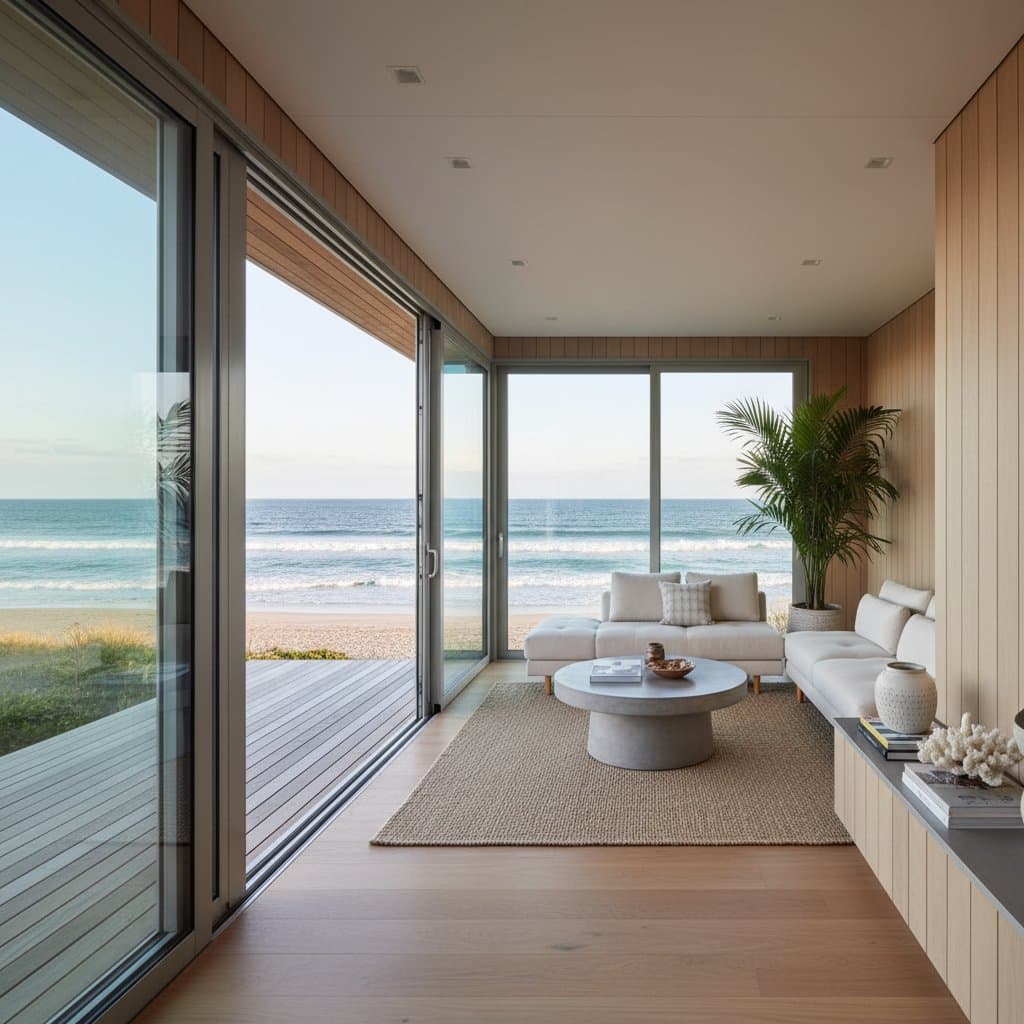
Expand Coastal Living with Modular Rooms from $8,000
Picture rising to ocean waves and entering a sun-filled room that blends seamlessly with the beach. Modular rooms turn this vision into reality for coastal residents. Traditional expansions once demanded extended construction periods and high expenses. Modular options, beginning at $8,000, enable quicker, less invasive growth that preserves your property's daily flow.
This guide explains modular rooms, their pricing, available varieties, and suitability for seaside environments. Readers gain insights into DIY feasibility, installation efficiencies, and upkeep practices for enduring appeal. For a streamlined process, obtain estimates from experienced professionals in prefabricated coastal extensions.
In this article
Cost factors
Modular rooms span $8,000 to $50,000 based on dimensions, features, and setup demands. A typical small coastal room averages $18,000. Entry-level prefabricated units for offices or guest areas begin near $8,000. Comprehensive setups with utilities, insulation, and tailored elements approach $40,000 or higher.
Key pricing elements include:
- Size and configuration: A 10-by-10-foot unit costs considerably less than a multi-room extension.
- Foundation and preparation: Seaside landscapes often necessitate leveling, elevation on stilts, or fortified bases to manage humidity and unstable soil.
- Utilities integration: Incorporating power or plumbing raises expenses by $1,500 to $5,000.
- Material selections: Salt-resistant exteriors, marine hardware, and thermal glass command higher prices yet prolong durability.
- Labor charges: Expert setup ranges from $40 to $100 per square foot, varying by regional standards and regulatory needs.
Regulatory approvals factor in as well. Certain locales treat modular additions as non-permanent, simplifying processes. Verify regional regulations prior to purchase to prevent setbacks.
Types and options
Compact studio pods
These straightforward single-space designs suit backyard workspaces, creative studios, or overnight accommodations. Sizes range from 100 to 200 square feet, featuring minimalist aesthetics and expansive glazing. Ideal for individuals seeking secluded utility without major commitments.
Modular sunrooms
Sunrooms capture outdoor essence indoors, perfect for savoring sea air free from debris or pests. Configurations include full-height glazing and rust-proof frameworks. Suited to those desiring luminous zones linked to natural surroundings.
Photo: Thomas Barwick / Getty Images
Expandable modular suites
Advanced versions incorporate sanitation or cooking facilities, forming independent dwellings or revenue-generating spaces. Such designs demand complete utility links and base preparations. Appropriate for owners pursuing sustained revenue or enlarged family quarters.
Photo: Catherine Falls Commercial / Getty Images
Customization options adapt to marine settings, including synthetic flooring, cement-based panels, and preserved lumber frames to counter saline exposure.
DIY versus professional installation
Modular rooms ship in pre-assembled states, rendering smaller models accessible for self-setup. Individuals with basic building skills and standard equipment complete a unit in one to three days. Providers supply detailed manuals and fittings.
Opt for professional services when:
- Terrain demands earthwork, supports, or service integrations.
- Customization involves specialized interiors or regulatory adherence for fixed installations.
- Assurance of full structural coverage is preferred.
Engaging certified experts adds $3,000 to $7,000 yet minimizes timelines and error risks. For intricate projects, specialists confirm compliance with regional storm and dampness criteria.
Cost-saving strategies
Achieve seaside expansion within budget through targeted approaches:
- Begin modestly. Select scalable designs for future growth. Numerous systems permit modular linking as needs evolve.
- Leverage proximate utilities. Position additions adjacent to existing power or plumbing to cut excavation expenses.
- Prioritize resilient materials initially. Upfront choices in weather-proof elements avert subsequent repair outlays.
- Defer non-essential enhancements. Add wall treatments or fixtures post-setup as funds permit.
- Purchase during quiet periods. Suppliers frequently reduce prices on surplus during low-demand seasons.
These methods sustain affordability alongside year-round robustness and ease.
Maintenance and longevity
Seaside elements challenge structures rigorously. Consistent care preserves modular rooms:
- Clean salt deposits from surfaces and windows biweekly.
- Examine gaskets and connections to block water ingress.
- Renew shielding layers on metallic or timber components triennially.
- Monitor airflow to curb internal condensation.
Quality modular rooms endure 25 to 50 years under diligent oversight. Marine-spec materials and effective site drainage further amplify service life.
FAQs
How long does installation require?
Delivery enables readiness in days. Preparatory work and connections extend timelines by a week, contingent on site variables.
Does a permit apply to modular rooms?
Permanent setups often mandate approvals. Movable configurations may qualify for exemptions. Consult local authorities pre-purchase.
Can modular rooms withstand coastal conditions?
Affirmative, with anti-corrosive builds and secure fixings. Seek wind- and moisture-rated designs, and service joints routinely.
Are modular rooms energy efficient?
Contemporary prefabricates integrate thermal barriers, low-consumption glazing, and heat-reflective covers. These elements stabilize climates and lower consumption.
Steps to Launch Your Expansion
Modular rooms offer straightforward paths to amplify coastal residences without compromising aesthetics or efficiency. Tailor selections to retreats, accommodations, or studios through adaptable builds. Establish budgets, assess codes, evaluate climate-compatible substances, and align setup methods with personal capabilities for optimal results.