
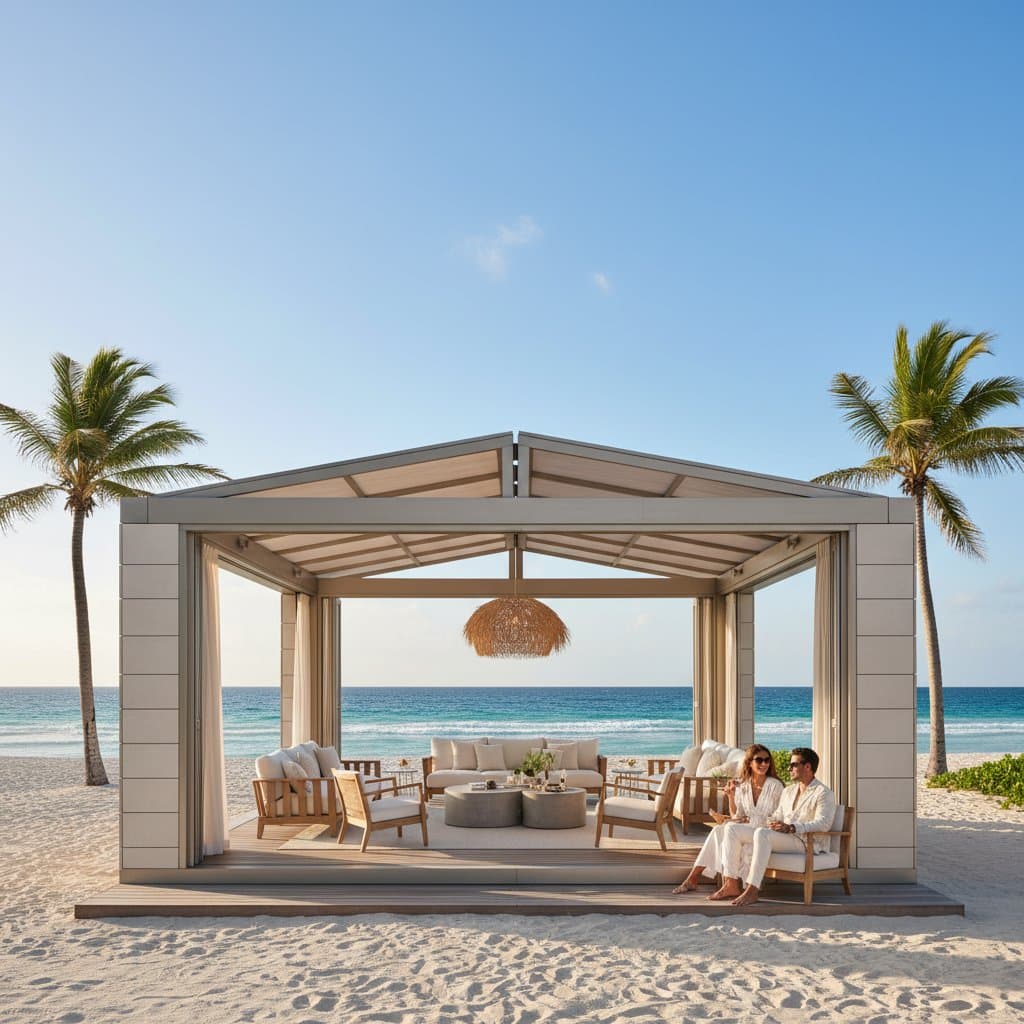
Snap-Together Pavilions Unlock Coastal Outdoor Magic
Creating a beautiful and functional outdoor space near the coast presents unique challenges. Salty breezes, shifting weather patterns, and intense sunlight often render traditional construction both costly and time-consuming. Snap-together pavilions provide a practical alternative for homeowners seeking to embrace the coastal lifestyle without the complications of extensive building projects. These modular outdoor rooms blend style, durability, and ease of assembly, allowing individuals to enhance backyards or beachfront properties effortlessly.
This guide details the nature of snap-together pavilions, their suitability for coastal environments, and essential steps for planning an installation that delivers long-term satisfaction.
What Are Snap-Together Pavilions
Snap-together pavilions, also known as prefab pavilions, consist of modular outdoor structures engineered for rapid assembly. Components arrive pre-fabricated and designed to interlock securely, eliminating the need for specialized tools or heavy machinery. The assembled pavilion stands firm against weather elements and appears as though custom-constructed, yet the entire process requires only a fraction of the time associated with conventional methods.
Homeowners appreciate these systems for their integration of precise engineering and contemporary design options. Such pavilions suit various settings, including patios, pool decks, and beachfront relaxation zones, providing versatile solutions that adapt to individual preferences.
Why They Work Perfectly for Coastal Living
Coastal areas expose structures to relentless wind, moisture, and salt, necessitating robust materials and thoughtful engineering. Snap-together pavilions address these demands directly through specialized construction techniques.
Durable, Coastal-Grade Materials
Leading models incorporate powder-coated aluminum, pressure-treated wood, or advanced composite panels, all selected for their resistance to corrosion and color fading. Marine-grade stainless steel fasteners secure connections, while UV-resistant coatings shield surfaces from sun damage. These choices ensure the pavilion maintains its integrity and appearance over years of exposure to harsh marine conditions.
Minimal Maintenance
In contrast to wooden pergolas or cabanas that demand frequent treatments, modular pavilions require scant attention. Homeowners typically need only to rinse surfaces periodically and inspect joints annually for any signs of wear. This low-effort approach preserves the structure's pristine condition without ongoing labor or expense.
Flexible Use and Design
The modular nature of these pavilions allows customization to fit evolving needs. Configurations support diverse applications, such as:
- An outdoor dining area equipped with integrated lighting and ceiling fans for evening gatherings.
- A poolside shade structure featuring adjustable louvers to balance sunlight and breeze during relaxed afternoons.
- A serene garden retreat ideal for yoga sessions or quiet reading amid natural surroundings.
- An entertainment hub incorporating built-in outdoor kitchens, ample seating, and space for social events.
Expansion or reconfiguration proves simple, enabling adaptations as family dynamics or property uses change over time.
Steps for Planning Your Snap-Together Pavilion
While assembly remains straightforward, careful preparation lays the foundation for a seamless project and enduring results.
1. Measure and Choose the Site
Begin by identifying a level surface with stable soil and effective drainage to prevent water pooling. Evaluate daily sun patterns and dominant wind flows to position the pavilion optimally, ensuring it provides shelter where needed most while capturing desirable views of the ocean or landscape.
2. Set a Realistic Budget
Prefab pavilion kits range in cost based on dimensions, material quality, and added features like retractable roofs or built-in storage. Basic setups start at moderate prices, while premium options with enhancements climb higher. Factor in shipping fees, potential site preparation expenses, and any professional assembly services to establish a comprehensive financial plan.
3. Verify Local Regulations
Consult the local building authority to understand rules regarding structure height, property setbacks, and secure anchoring methods. Coastal regions often enforce specific wind-load ratings to safeguard against storms, which influence both safety and insurability. Obtaining necessary approvals early avoids delays and ensures compliance.
4. Prepare the Base
A solid foundation anchors the pavilion and promotes longevity. Options include concrete footings poured to exact specifications, gravel pads for simpler installations, or deck-mounted bases if integrating with an existing patio. Clear the site of debris, level the ground precisely, and install any required anchoring hardware to withstand coastal gusts.
5. Assemble and Enjoy
Follow the manufacturer's detailed instructions, starting with the frame erection and progressing to panel and roof installation. Most kits enable completion by two to four people over a weekend, with interlocking mechanisms ensuring stability. Once in place, add personal touches like weatherproof cushions or planters to fully realize the space's potential.
Frequently Asked Questions
What is the lifespan of a snap-together pavilion?
High-quality models endure for decades under regular coastal conditions, thanks to rust-resistant alloys and UV-protected finishes that combat environmental wear.
Can I add electrical or lighting features?
Many designs accommodate hidden wiring for lights, fans, and power outlets. Engage a licensed electrician to handle integrations safely and up to code.
Are snap-together pavilions hurricane-resistant?
Select models carry ratings for elevated wind speeds, suitable for hurricane-prone zones. Review engineering certifications and align with regional building standards for assurance.
Do I need a permit?
Requirements hinge on the pavilion's footprint and locale; smaller units often bypass permitting, but confirmation from the local office remains essential.
Can I relocate the pavilion later?
Modular construction facilitates disassembly and transport, offering flexibility for moves, renovations, or seasonal adjustments.
How do I clean it?
Apply a solution of mild soap and water with a soft brush, then rinse thoroughly. Steer clear of harsh chemicals that might erode protective layers.
Integrating Your Pavilion into Coastal Routines
A well-planned snap-together pavilion elevates everyday outdoor experiences, from morning coffee sessions to sunset dinners. By selecting resilient materials and adhering to installation best practices, homeowners secure a versatile addition that withstands the elements while enhancing property value and enjoyment.