
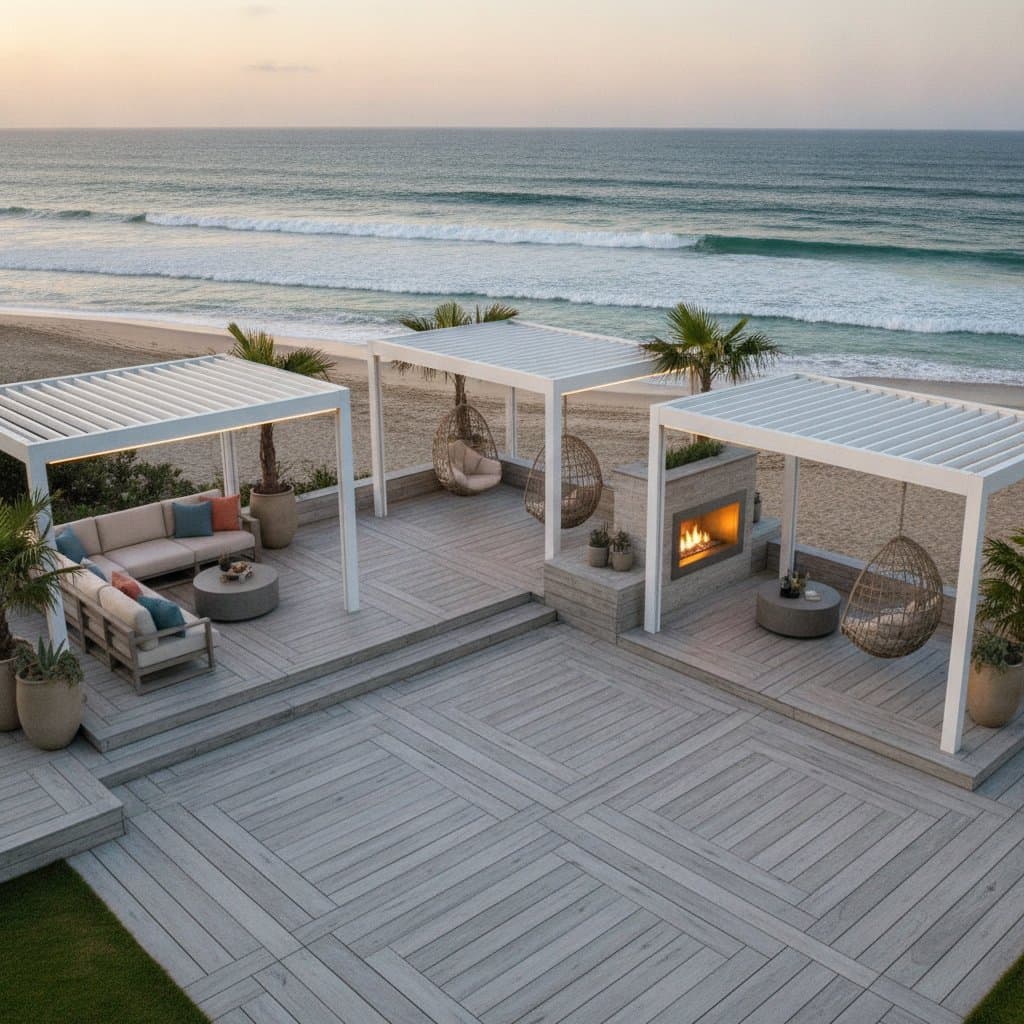
Snap-Together Modular Patios for Instant Coastal Luxury
Creating an inviting outdoor retreat along the coast can feel like a major construction project. Snap-together modular patios allow homeowners to achieve a luxurious, resort-style space in a fraction of the time. These prefab systems offer a seamless blend of style, flexibility, and convenience.
This guide explains what modular patios are, how they work, and how to plan, install, and maintain one for lasting beauty and comfort. Readers will learn how to bring coastal luxury home quickly and confidently.
Understanding Snap-Together Modular Patios
Snap-together modular patios consist of prefabricated systems made of interlocking panels or tiles that connect without heavy tools or concrete footings. Most systems sit atop an existing surface such as compacted soil, gravel, or concrete.
Each modular section typically includes structural panels made from composite decking, recycled plastic, or aluminum. Interlocking connectors snap securely into place. Optional trim pieces provide a finished edge.
These patios support quick installation and can expand or reconfigure as needs change. They prove especially popular in coastal areas where salt air, humidity, and shifting ground conditions complicate traditional concrete patios.
Advantages for Coastal Homes
Coastal environments demand durable, low-maintenance materials. Modular patios excel in these conditions because composite panels resist salt corrosion and moisture. Ventilated designs prevent trapped water and mildew. Portable layouts accommodate ground movement or erosion.
Planning Your Modular Patio
Before ordering materials, plan the layout and select materials that match the environment and lifestyle.
Define the Purpose
Determine how the outdoor space will function. A sunbathing deck requires different dimensions than a dining area or multi-zone entertainment space. Clear purpose guides size and shape decisions.
Assess the Site
Evaluate the existing surface. Modular patios install on compacted gravel, concrete, or an existing deck frame. The area must remain level, well-drained, and free of debris. Sloped properties benefit from raised modular systems with adjustable supports.
Choose Materials and Finishes
Most modular patio tiles use weather-resistant materials. Composite decking offers the look of wood without splintering or fading. Aluminum panels provide lightweight corrosion resistance. Stone-look composites mimic tile or flagstone patterns for an upscale aesthetic.
Select finishes that match the home architecture and coastal palette. Soft gray, sand, and driftwood tones complement beach surroundings.
Estimate the Budget
Modular patio systems typically range from eight to twenty-five dollars per square foot. Installation costs remain lower than traditional poured concrete or stone patios because many homeowners complete assembly themselves.
Installing a Snap-Together Modular Patio
The installation process requires careful preparation.
Prepare the Base
Clear the area of vegetation, rocks, and debris. Level the surface and compact the soil if necessary. Lay a weed barrier fabric to prevent growth underneath. Spread a layer of gravel or sand for drainage when installing directly on the ground.
Lay the Panels
Start in one corner and place the first tile or panel. Snap adjacent tiles into place following the manufacturer guide. Use edge trims or corner pieces for a finished look. Check alignment regularly to maintain a straight pattern.
Secure and Finish
Walk across the surface to test stability once all panels connect. Add optional features such as integrated lighting for evening ambiance, drainage mats for high-moisture areas, or furniture anchors in windy sites. Most installations finish within a single weekend.
Enhancing Your Coastal Patio
Thoughtful design elements elevate the finished space.
Add Shade and Shelter
Coastal sun can prove intense. Modular pergolas or retractable awnings attach easily to the patio frame. Lightweight aluminum structures resist corrosion and reposition seasonally.
Incorporate Natural Textures
Driftwood-inspired furniture, rope accents, and woven textures add coastal charm. Planters filled with succulents or ornamental grasses complete the look.
Create Functional Zones
Separate spaces visually with outdoor rugs, low planters, or different tile colors. This zoning approach makes even a small patio feel multi-functional.
Integrate Lighting and Sound
Low-voltage pathway lights and weatherproof speakers extend usability into the evening. Position fixtures to highlight architectural features without creating glare.
Maintaining Your Investment
Rinse surfaces monthly with a garden hose to remove salt and sand. Inspect connectors annually to ensure panels remain secure. Replace damaged tiles individually instead of resurfacing the entire patio. Reapply protective coatings when recommended by the manufacturer.
Frequently Asked Questions
What is a snap-together modular patio?
It is a prefabricated patio system made of interlocking panels that connect without mortar, nails, or adhesives. Each piece clicks into place to form a durable, weather-resistant surface.
Can modular patios handle coastal weather?
Yes. Most systems use marine-grade materials that resist salt corrosion, moisture, and UV damage. Confirm the product rating for coastal environments before purchase.
Do I need a professional to install it?
Many homeowners install modular patios themselves. Large or elevated projects benefit from a contractor to ensure proper leveling and structural support.
How long do modular patios last?
High-quality panels can last ten to twenty years or more with regular cleaning and maintenance. Longevity depends on material type and exposure conditions.
Can I place heavy furniture or grills on a modular patio?
Yes, provided the base stays level and properly supported. Use furniture pads to prevent surface scratches.
What happens if one tile breaks?
A single tile or section replaces without dismantling the entire patio. This modular flexibility remains one of the system biggest benefits.
How do modular patios compare to traditional decks or pavers?
They install faster, require less maintenance, and reconfigure or relocate easily. Traditional patios offer more permanent structural options but take longer to build and cost more to modify later.
Creating Your Outdoor Retreat
A snap-together modular patio delivers coastal luxury without heavy construction or extended timelines. Careful planning, quality materials, and regular upkeep turn any backyard into a year-round space for relaxation and entertaining.