
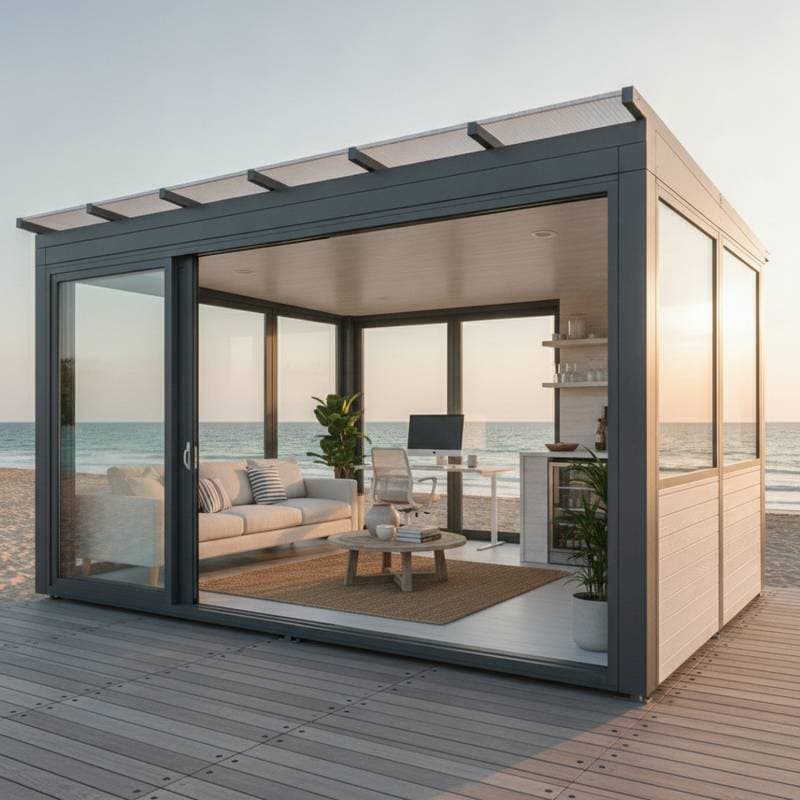
Modular Patio Rooms Assemble in Days for Coastal Homes
Modular patio rooms provide a practical solution for homeowners seeking to expand usable outdoor space along the coast. These prefabricated structures arrive in sections that connect on site without specialized crews. The approach reduces construction time while meeting the demands of salt air and variable weather.
Benefits for Seaside Properties
Coastal environments expose structures to constant moisture, wind, and ultraviolet light. Modular rooms use corrosion resistant frames and sealed panels that withstand these conditions. Owners gain an enclosed area that functions as a lounge, home office, or storage space without the delays of traditional building permits and foundation work.
Installation typically requires only a level patio surface and basic tools. Sections lock together through a system of brackets and seals that create a weather tight shell. Most units reach completion in two to four days once delivered.
Materials Selected for Durability
Frames are formed from powder coated aluminum that resists rust. Wall and roof panels incorporate composite cores with exterior laminates rated for marine exposure. Flooring options include textured composites that drain water and resist mildew.
Windows and doors feature tempered glass or polycarbonate inserts set in gaskets that block salt spray. Optional screens allow ventilation while keeping insects out. All components carry warranties that cover coastal degradation.
Steps in the Assembly Sequence
- Confirm the patio dimensions and mark the layout.
- Position the base frame and secure it to existing hardscape with approved anchors.
- Attach wall panels in sequence, starting from the corner units.
- Install the roof sections and verify alignment of all seals.
- Add doors, windows, and any interior partitions.
- Connect electrical or plumbing lines if the design includes them.
Each step follows illustrated instructions supplied with the kit. No heavy equipment is necessary beyond a standard cordless drill.
Design Choices That Match Coastal Style
Layouts range from simple rectangular enclosures to L shaped configurations that wrap around existing furniture. Color selections include soft neutrals and muted blues that complement ocean views. Roof styles vary between flat profiles for a modern appearance and low pitch designs that shed rain efficiently.
Interior options allow addition of built in seating, lighting tracks, or ceiling fans rated for outdoor use. Privacy panels can be inserted on sides facing neighboring properties while leaving ocean facing walls open.
Ongoing Care Requirements
Routine maintenance consists of rinsing exterior surfaces with fresh water several times each year. Inspect seals around windows and doors annually and replace any that show wear. Avoid abrasive cleaners that could damage protective coatings.
These steps preserve appearance and performance for decades. Because the rooms are modular, individual panels can be swapped if damage occurs rather than replacing the entire structure.
Planning Your Installation
Measure the available patio area and note sun patterns throughout the day. Decide on primary use before ordering so that window placement and door orientation support that function. Review local codes for any height or setback restrictions that apply to accessory structures.
Consult manufacturer specifications for wind load ratings to confirm suitability for your specific shoreline exposure. Many suppliers offer virtual design tools that let owners visualize the finished room within their existing landscape.
Creating Functional Outdoor Space
A completed modular room extends living area without the cost or disruption of a full addition. It provides shelter for year round use while preserving the open feel of coastal living. Homeowners report increased enjoyment of their property once the structure is in place.