
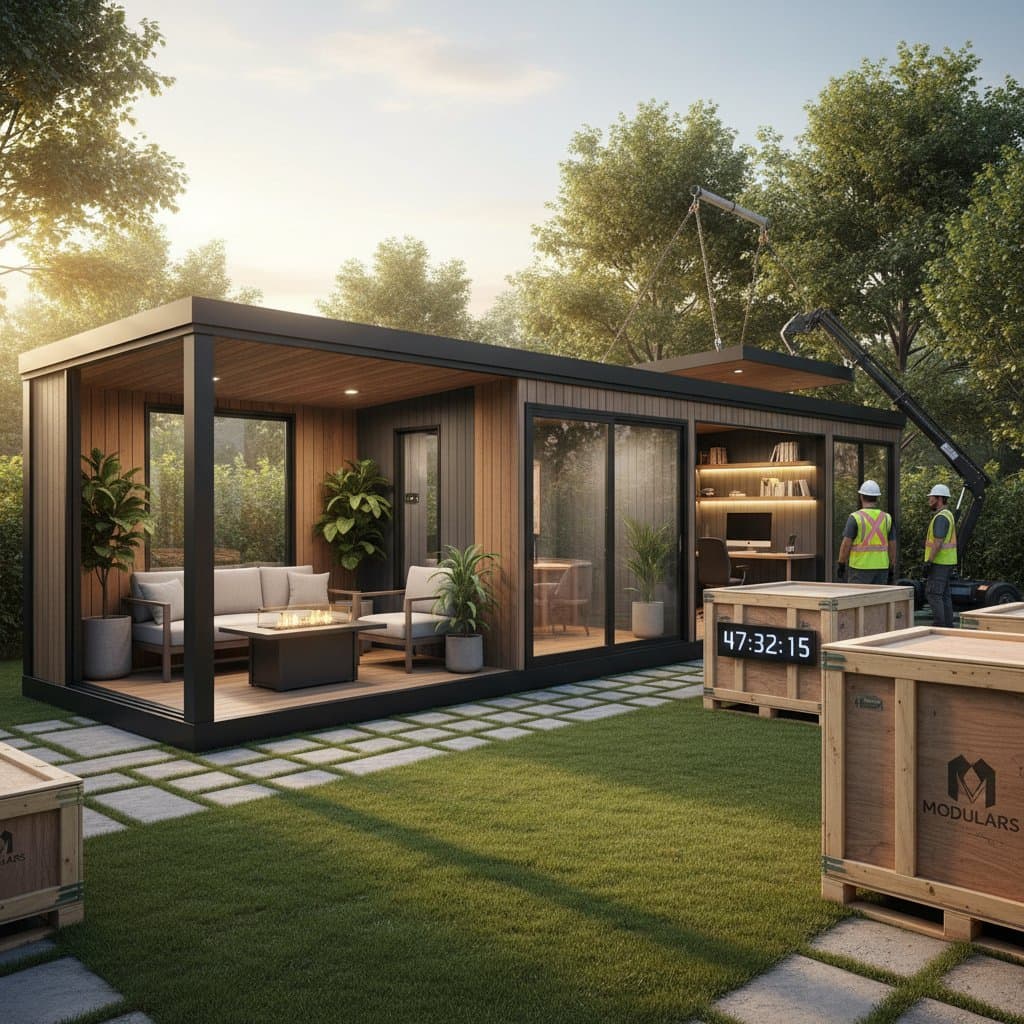
Modular Outdoor Rooms: Ready in Just 48 Hours
Picture a backyard converted into a versatile outdoor living area over a single weekend. Modular outdoor rooms make this vision achievable through prefabricated components that prioritize swift setup, minimal site disturbance, and elegant functionality. Options range from intimate seating nooks to expansive entertainment zones or garden-view workspaces, all delivered with precision engineering for enduring appeal.
This guide examines pricing structures, operational mechanics, available configurations, and decisions between self-assembly and professional services. Readers will gain insights into cost-saving measures, installation processes, and preservation techniques to maintain the space's allure over time.
Key takeaway: Modular outdoor rooms generally range in price from $8,000 to $40,000, influenced by dimensions, materials, and enhancements. Installation often completes in 48 hours or less, providing a polished, functional area far quicker than conventional building methods.
For those seeking a seamless experience, obtaining estimates from qualified specialists in prefabricated outdoor structures remains a straightforward option.
Cost Factors
The overall expense for a modular outdoor room falls between $8,000 and $40,000, with a typical investment near $21,000. Variations arise from spatial scale, material selections, customization levels, and site-specific requirements.
Consider this breakdown by size:
- Compact units (100 to 150 square feet): $8,000 to $15,000
- Mid-sized enclosures (150 to 250 square feet): $15,000 to $25,000
- Expansive builds (250 to 400 square feet): $25,000 to $40,000
Primary influences on pricing include:
- Materials: Options like aluminum, composite lumber, or steel frameworks command higher initial costs yet offer superior longevity. More budget-friendly choices, such as vinyl siding or pressure-treated wood, suit varied climates but require vigilant upkeep in areas prone to humidity.
- Site Preparation: Tasks involving ground leveling, deck construction, or concrete bases contribute $1,500 to $5,000 to the total.
- Utility Integrations: Incorporating electrical systems, illumination, or temperature regulation adds $2,000 to $8,000, scaled to the project's intricacy.
- Regulatory Approvals: Enclosed designs or those with utilities may necessitate permits, incurring fees of several hundred dollars in certain jurisdictions.
- Installation Fees: Expert labor typically ranges from $3,000 to $6,000, though the modular format inherently reduces on-site time demands.
Fabrication occurs in controlled environments off-site, which minimizes material waste and accelerates timelines. This method guarantees uniform construction standards and robust performance against environmental elements.
DIY Versus Professional Installation
Many modular outdoor rooms promote straightforward assembly, yet the required expertise differs across designs.
Approaches Suitable for DIY:
Basic pergola kits or screened enclosures arrive with pre-cut components and detailed manuals. Individuals with foundational carpentry skills and standard tools can complete assembly within 1 to 2 days.
Essential Installation Steps:
- Site Readiness: Ensure the area is level or construct a stable base such as a deck.
- Component Verification: Unpack and review all preassembled elements for completeness.
- Framework Construction: Align and fasten panels per the provided specifications.
- Finishing Touches: Affix doors, windows, or shading elements.
- Utility Connections: Engage a certified professional for any electrical or plumbing integrations.
Benefits of Professional Services:
Experts deliver precise placement, firm securing, and adherence to local regulations, particularly for sealed or equipped structures. This choice proves essential when incorporating advanced features like water lines or heating systems, enhancing safety and reliability.
Skill Assessments:
- Pergolas: Straightforward for independent efforts
- Patio Covers: Requires moderate proficiency
- Complete Studio Enclosures: Best suited for professionals
Maintenance and Longevity
Preserve the integrity of your modular outdoor room through routine, seasonal care.
- Joint and Seal Evaluations: After significant rainfall, inspect connections for looseness and seal integrity to prevent water ingress.
- Surface Cleaning: Apply a solution of mild detergent and water to eliminate accumulated debris, pollen, or coastal residues.
- Protective Reapplications: For wooden or composite surfaces, apply sealants every 2 to 3 years to guard against weathering.
- Moisture Management: Facilitate effective drainage and elevate bases to avoid direct ground exposure.
Premium modular constructions, especially those using aluminum or resilient composites, endure for 20 years or longer under consistent maintenance protocols.
Frequently Asked Questions
How quickly can installation occur for a modular outdoor room?
Prefabricated units assemble in 24 to 48 hours post-delivery. Preliminary steps like base preparation or approvals may extend the overall timeline, but the core build process remains efficient.
Is a permit required for modular outdoor rooms?
Local regulations vary; open pergolas seldom need approval, whereas sealed or electrified versions frequently do. Consult your municipal authority prior to proceeding.
Do these structures withstand severe weather?
Designs incorporate reinforcements for wind loads and impermeable materials, ensuring resilience in diverse conditions.
Can modular outdoor rooms promote energy efficiency?
Selections with insulation, dual-glazed windows, and airtight entries support stable internal climates, ideal for extended seasonal use.
Steps to Launch Your Outdoor Upgrade
A modular outdoor room offers an efficient path to elevating your backyard's potential. These solutions provide rapid deployment, customizable aesthetics, and resilient builds, sidestepping the delays and disarray of traditional projects.
Begin by outlining intended functions for the area, establishing financial parameters, and soliciting proposals from regional experts. Within days, your outdoor environment can evolve into a seamless extension of indoor comfort.