
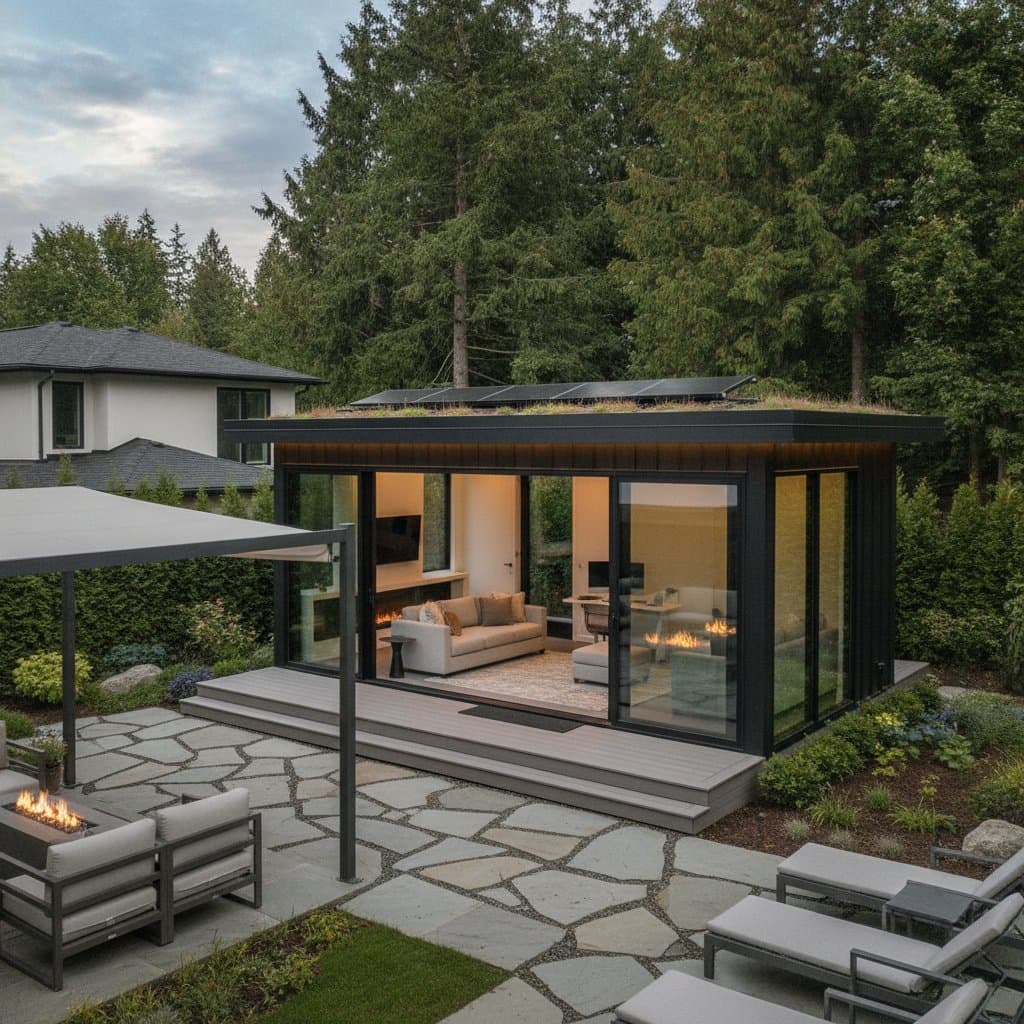
Modular Outdoor Rooms for Seamless Year-Round Living
Modular outdoor rooms offer a practical method to expand living space without the expense of traditional construction. These prefabricated structures use weather resistant materials and customizable designs to create functional areas for any season. Homeowners gain privacy, comfort, and flexibility while avoiding lengthy building projects.
Reasons for Rising Demand
Homeowners seek adaptable solutions that increase usable square footage quickly. Prefabricated units install in days rather than months and serve multiple purposes such as offices, dining areas, or fitness spaces. Typical costs range from 10000 dollars to 40000 dollars based on size and features, which represents savings of up to 60 percent compared with conventional room additions.
| Type of Modular Outdoor Room | Average Cost Range | Best Use | Weather Resistance |
|---|---|---|---|
| Small enclosed pod | 10000 to 18000 dollars | Office or reading nook | High |
| Mid size garden studio | 18000 to 28000 dollars | Guest suite or gym | Very high |
| Large entertainment pavilion | 28000 to 40000 dollars | Dining or lounge area | Moderate to high |
Design Elements That Enable All Season Use
Insulation and Weatherproofing
Units incorporate insulated wall panels, double glazed windows, and sealed roofing systems. These components maintain stable interior temperatures and block moisture in both summer heat and winter cold.
Modular Expansion Options
Owners begin with a single module and add sections as needs evolve. Panels and walls can be reconfigured without full reconstruction, which supports changing uses over time.
Built In Climate Systems
Many models include radiant floor heating, ceiling fans, and efficient air conditioning. These features allow precise temperature control throughout the year.
Practical Benefits
- Installation completes within several days rather than weeks of on site work.
- Exterior finishes in wood, composite, or aluminum coordinate with existing architecture.
- Spaces transition from summer workspaces to winter retreats with minimal adjustments.
- Sealed construction lowers heating and cooling expenses.
- Surfaces resist fading, corrosion, and water damage for reduced upkeep.
Cost and Performance Variables
Size directly influences price, with larger multi zone layouts requiring greater investment. Higher grade cladding and glazing improve longevity yet increase initial outlay. Concrete foundations add stability in regions with freeze thaw cycles. Coastal properties benefit from corrosion resistant metals, while inland sites prioritize thicker insulation. Electrical or plumbing connections raise total expense but expand functionality.
Planning Steps for Successful Projects
Define the primary purpose before selecting a model. A compact workspace needs fewer utilities than an entertainment space. Reserve 10 to 15 percent of the budget for unexpected site work. Obtain three detailed proposals from qualified suppliers. Review local permit requirements early. Select systems that permit future additions.
Value and Long Term Returns
Well designed units can raise property value by 5 to 10 percent when marketed as year round living areas. A dedicated office pod often recovers 70 to 80 percent of its cost at resale. Entertainment pavilions return 60 to 75 percent, while guest suites reach 80 to 90 percent.
| Feature | Added Value | ROI Estimate |
|---|---|---|
| Home office pod | High | 70 to 80 percent |
| Entertainment pavilion | Moderate | 60 to 75 percent |
| Guest suite | Very high | 80 to 90 percent |
Common Questions
What defines a modular outdoor room? It is a factory built structure assembled from insulated panels and engineered for exterior placement.
Are these rooms suitable in every season? Proper insulation and climate controls maintain comfortable conditions year round.
Is a building permit required? Requirements differ by jurisdiction, with smaller units often exempt and larger structures needing approval.
Next Steps for Homeowners
Assess available yard space and list intended activities. Contact local suppliers for site evaluations and detailed quotes. Proceed with installation once permits and budgets align.