
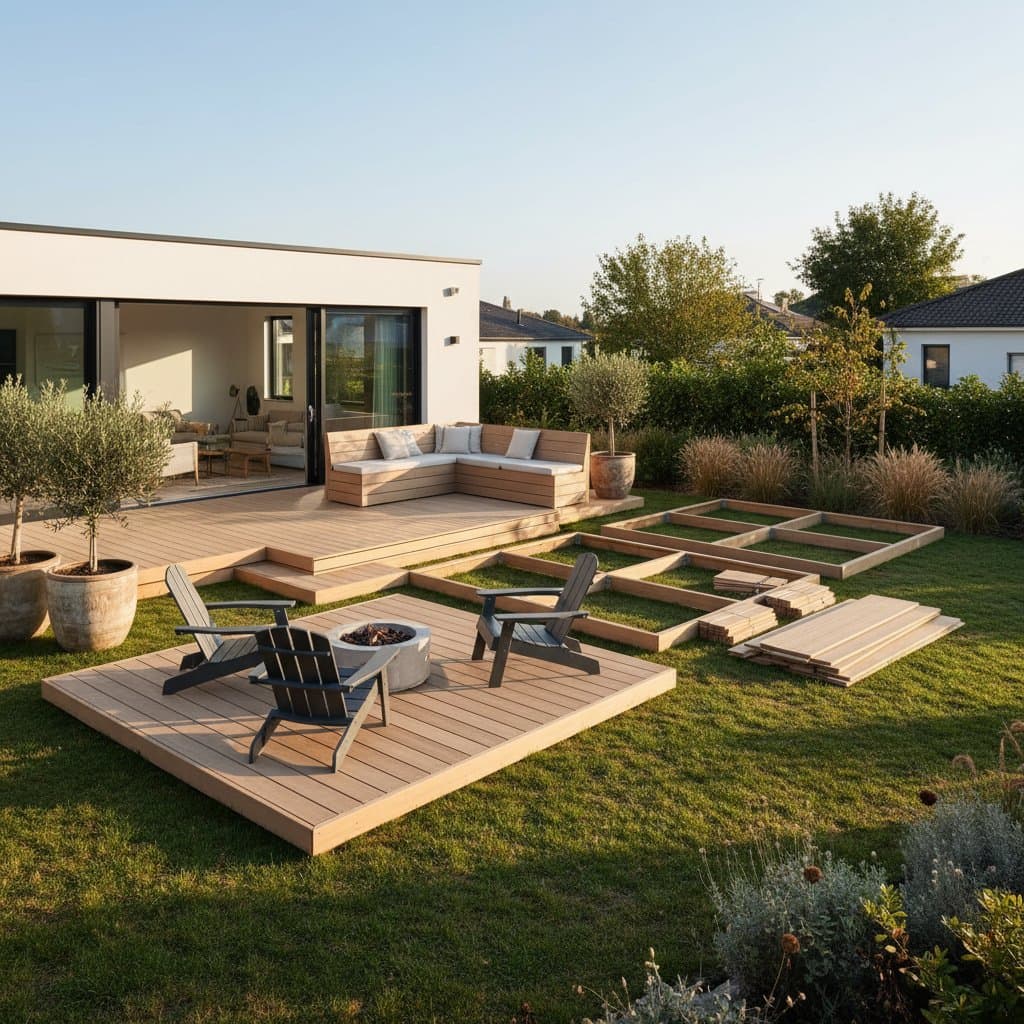
9 Modular Deck Ideas for Expanding Outdoor Living on Any Budget
Creating a comfortable outdoor space is one of the most rewarding upgrades you can make to your home. Whether you dream of sunny brunches with friends, peaceful reading corners, or a cozy area for evening gatherings, a deck sets the stage for countless memories. Yet, the cost and complexity of traditional deck construction often make homeowners hesitate. That is where modular decking systems come in.
Modular decks offer flexibility, affordability, and ease of installation that traditional decks simply cannot match. You can start small and expand your space over time, which makes them perfect for almost any budget or yard size. They are ideal for homeowners who love the idea of a custom deck but prefer a manageable, do-it-yourself approach.
If you are ready to transform your outdoor area into a place where style meets function, modular decks provide a practical path forward. The following ideas will help you design, build, and enjoy an expandable outdoor space that fits your lifestyle and budget.
[Image: Modular deck with seating and plants]
Functional Foundations
1. Start with a Simple Platform
The beauty of modular decking lies in its scalability. Begin with a small platform that serves as a foundation for future sections. Modular tiles or panels typically snap or lock together, making them easy to install without specialized tools.
Choose weather-resistant materials like composite, hardwood, or recycled plastic. These options handle moisture and sunlight well, reducing maintenance. A simple platform can serve as a patio, a grilling area, or even a base for outdoor furniture.
Pro Tip: Measure your available space carefully before ordering modules. This avoids waste and ensures a seamless fit when you decide to expand later.
[Image: Small modular deck platform with chairs]
2. Add Multi-Level Sections
Once your base is in place, consider introducing height variations. Multi-level decks create visual interest and define zones for different activities. You can dedicate one level for dining, another for lounging, and a smaller one for a fire pit or planters.
Stackable modular systems often come with risers or adjustable legs. These make it easy to create gentle elevation changes without complex framing or heavy construction.
Pro Tip: Use steps or ramps between levels for accessibility and safety.
[Image: Multi-level modular deck design]
3. Include Built-In Storage
Outdoor storage is always valuable, and modular systems make it simple to incorporate. Some decking panels lift to reveal hidden compartments, perfect for cushions, tools, or seasonal décor.
If your system does not include built-in storage, create your own using matching deck boxes or benches with hinged lids. It keeps your space tidy while maintaining a cohesive look.
Pro Tip: Store only weatherproof items or use interior liners to protect contents from moisture.
[Image: Deck bench with hidden storage compartments]
Design Ideas for Comfort and Style
4. Create a Seamless Indoor-Outdoor Flow
Position your modular deck directly outside a main living space, such as a kitchen or living room, to blur the line between indoors and outdoors. This design feels more like an extension of your home than a separate area.
Use similar flooring tones or complementary décor to tie the spaces together. Sliding or folding doors enhance the effect by opening the entire wall to your deck.
Pro Tip: Keep deck materials consistent with your home’s style for a unified appearance.
[Image: Modular deck attached to living room entrance]
5. Incorporate Greenery
Plants bring life and freshness to any deck. Modular systems make it easy to integrate planters directly into the design. You can border the deck with raised boxes or use built-in inserts designed for greenery.
Mix textures and colors by combining flowering plants, herbs, and small shrubs. Vertical planters or trellises are great for privacy and visual depth.
Pro Tip: Choose low-maintenance plants suited to your local climate to reduce watering needs.
[Image: Deck with integrated planters and vertical garden]
6. Add Lighting for Evening Enjoyment
Outdoor lighting extends the usability of your deck well past sunset. Integrated LED strips, solar lights, and recessed floor fixtures are compatible with most modular systems.
Soft lighting creates a welcoming atmosphere while improving safety. Consider accenting stairs, pathways, and railings for added style.
Pro Tip: Use warm white lights for a cozy glow that complements wood and composite finishes.
[Image: Modular deck with LED lighting accents]
Expansion and Customization Options
7. Build Modular Seating and Dining Areas
You can easily attach modular seating sections or outdoor dining units to your deck. Modular furniture often matches the decking material, giving a built-in look without permanent fixtures.
For smaller spaces, foldable or stackable pieces provide flexibility. Larger decks benefit from sectional seating that can be rearranged for gatherings or relaxation.
Pro Tip: Add weather-resistant cushions in neutral colors for comfort and longevity.
[Image: Modular deck with sectional seating and table]
8. Integrate Shade Structures
A shaded area makes your deck more comfortable on sunny days. Modular pergolas or awnings can attach directly to your decking system for consistent support. Retractable canopies are another flexible option for balancing sun and shade.
Shade structures not only protect from direct sunlight but also help preserve furniture and decking materials.
Pro Tip: For windy areas, choose anchored posts or tensioned fabrics that stay secure.
[Image: Modular deck with pergola and canopy]
9. Connect with Walkways or Patios
If your backyard already includes patios or garden paths, modular decks can tie these elements together. Use deck tiles to transition between spaces, such as from your home’s back door to a pool area or garden feature.
This approach creates a sense of flow and makes your outdoor layout feel deliberate. You can expand gradually, adding sections each season as your needs and budget grow.
Pro Tip: Match materials or colors across connected areas for a cohesive design.
[Image: Modular deck connected to garden walkway]
Planning Advice for Modular Deck Projects
- Check ground conditions before installation. Modular systems usually require a level base, but some adjustable legs can compensate for mild slopes.
- Budget for accessories such as edging, railings, and lighting. These enhance appearance and safety.
- Plan for drainage by leaving small gaps between panels or using raised bases to allow water flow.
- Start with a smaller layout if unsure. You can always expand later without replacing existing sections.
Frequently Asked Questions
What are modular decks made of?
Most modular decks use composite materials, hardwood slats, or recycled plastics. These materials resist moisture and fading better than untreated wood.
Can I install a modular deck myself?
Yes. Many systems are designed for easy DIY assembly with basic tools. Panels often snap or interlock, which saves time and labor costs.
How much do modular decks cost?
Prices vary by material and brand. Expect to spend around $15 to $45 per square foot, depending on quality and features.
Are modular decks durable?
High-quality composite or hardwood modules can last many years with minimal maintenance. Regular cleaning and occasional inspection help extend their lifespan.