
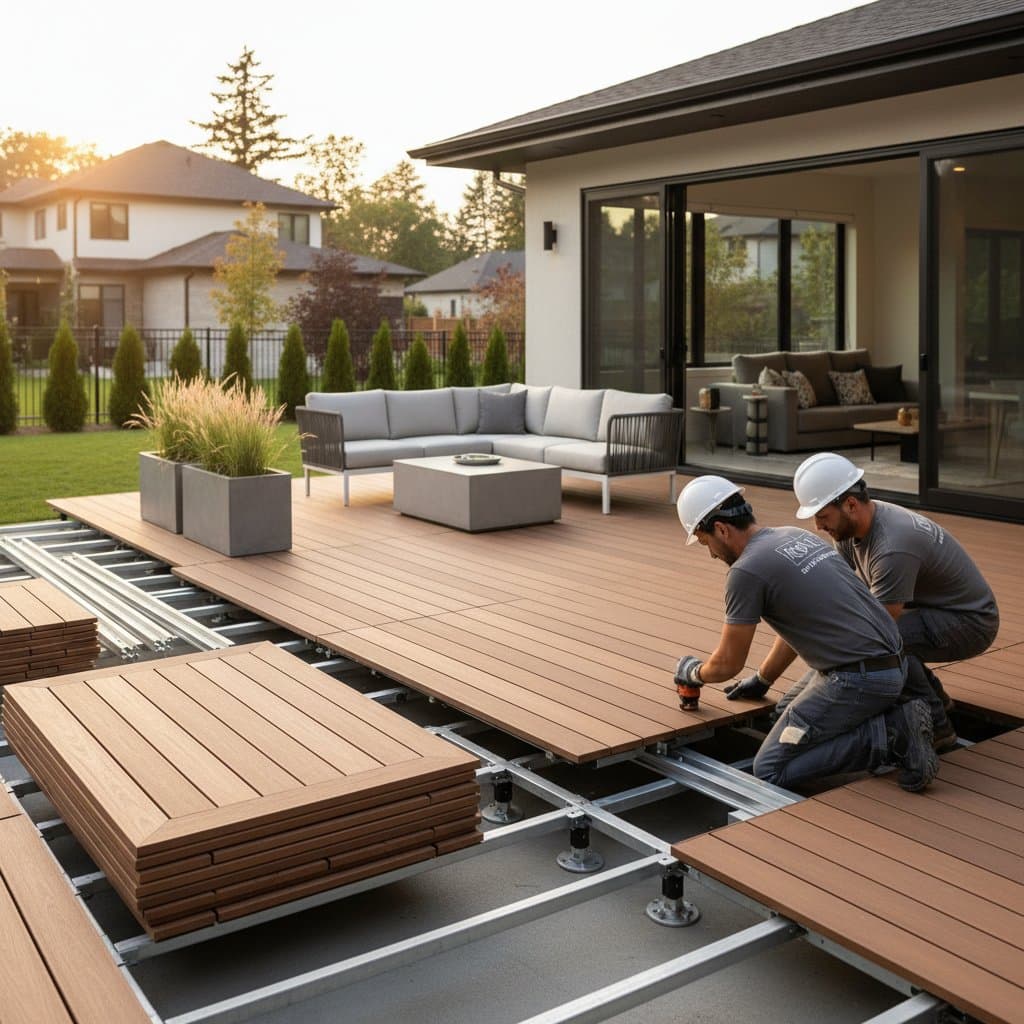
Modular Decking: 60% Faster Install Than Traditional
Building a deck does not require weeks of anticipation for frames, boards, and finishes to align. Modular decking systems reshape outdoor renovation efforts by enabling installation times up to 60% faster than those of traditional constructions. These prefabricated panels arrive prepared for assembly, permitting homeowners and contractors to finish projects swiftly while upholding quality and aesthetic appeal.
Regardless of whether you reside in a coastal region or a suburban setting, modular decking conserves time and labor expenses. It produces a refined, resilient outdoor living area that enhances property enjoyment.
Why Modular Decking Accelerates the Process
Modular decking employs pre-engineered sections that interconnect using few tools and limited site preparation. Each panel incorporates built-in framing, decking surfaces, and occasionally railing components. This efficient method removes much of the measurement, cutting, and alignment labor inherent in traditional deck assembly.
The following table outlines average installation durations:
| Deck Type | Typical Installation Time | Labor Hours (Approximate) |
|---|---|---|
| Traditional Wood Deck | 1 to 2 weeks | 40 to 60 hours |
| Modular Deck System | 2 to 4 days | 15 to 25 hours |
This modular strategy minimizes on-site waste and streamlines material handling, as components arrive precisely fitted for integration. Homeowners experience reduced site disturbance and quicker access to their upgraded outdoor environment. For instance, contractors report completing a 200-square-foot deck in under three days, compared to over ten days for a comparable traditional build.

Materials and Design Versatility
Modular decking excels in its adaptability to diverse architectural styles. Panels come in multiple materials and surface treatments to complement any home exterior.
Key material selections encompass:
- Composite decking, which demands minimal upkeep and withstands harsh weather conditions
- Natural wood options such as cedar or redwood, providing timeless visual warmth
- Aluminum frameworks, offering lightweight strength for elevated or expansive installations
- PVC or recycled plastic variants, promoting environmental responsibility and resistance to moisture
Numerous systems incorporate hidden fasteners to achieve a seamless appearance. Modular railing assemblies attach effortlessly, allowing for personalized configurations like curved edges or integrated benches.
To select the ideal combination, consider local climate factors; for example, coastal properties benefit from corrosion-resistant composites, while inland homes might favor wood for its natural texture.

Cost Analysis and Long-Term Value
Modular decking might present a marginally elevated initial expense per square foot, yet the reductions in labor and timeline frequently render it more economical in total.
Standard pricing per square foot appears as follows:
| Material Type | Modular Deck Cost | Traditional Deck Cost |
|---|---|---|
| Composite | $25 to $35 | $20 to $30 |
| Wood | $20 to $30 | $15 to $25 |
| PVC/Recycled Plastic | $30 to $45 | $25 to $40 |
Beyond upfront savings, owners gain from diminished maintenance obligations and extended service life. These attributes elevate property resale potential and aesthetic allure. A well-installed modular deck can last 25 years or more with proper care, outpacing many traditional counterparts.
Steps for Successful Modular Deck Installation
Prior to commencing work, confirm that the foundation or substructure complies with the manufacturer's specifications. Modular setups frequently utilize adjustable pedestals or steel joists, accommodating irregular terrain or rooftop applications.
Essential guidelines for an efficient installation include:
- Precisely measure the intended area and procure panels to match those dimensions.
- Establish a stable, level foundation or deploy adjustable supports as needed.
- Position panels sequentially, beginning adjacent to the residence and extending outward.
- Fasten each segment firmly prior to advancing to the subsequent one.
- Incorporate railing systems or illumination elements to finalize the design.
Engaging a certified installer ensures adherence to local building codes, particularly for elevated structures. Site visits during planning can reveal opportunities for custom integrations, such as built-in storage.

Sustaining Your Modular Deck
Modular decks demand scant maintenance beyond routine surface care. Composite and PVC materials inherently repel fading, mold growth, and decay. Wood-based modules benefit from occasional sealant applications to preserve their finish.
Regular practices involve sweeping away leaves and debris, followed by gentle rinsing with a hose or mild soap solution. Avoid abrasive cleaners to protect surface integrity. Annual inspections for loose connections or wear allow for prompt adjustments, ensuring the deck remains safe and attractive year-round.
Realizing Outdoor Potential with Modular Solutions
As demand grows for streamlined and eco-conscious home improvements, modular decking gains traction among discerning homeowners. Its rapid assembly, adaptable designs, and robust performance offer a contemporary pathway to outdoor enhancement. Invest in this system to unlock versatile spaces that foster relaxation, entertaining, and enduring satisfaction.