
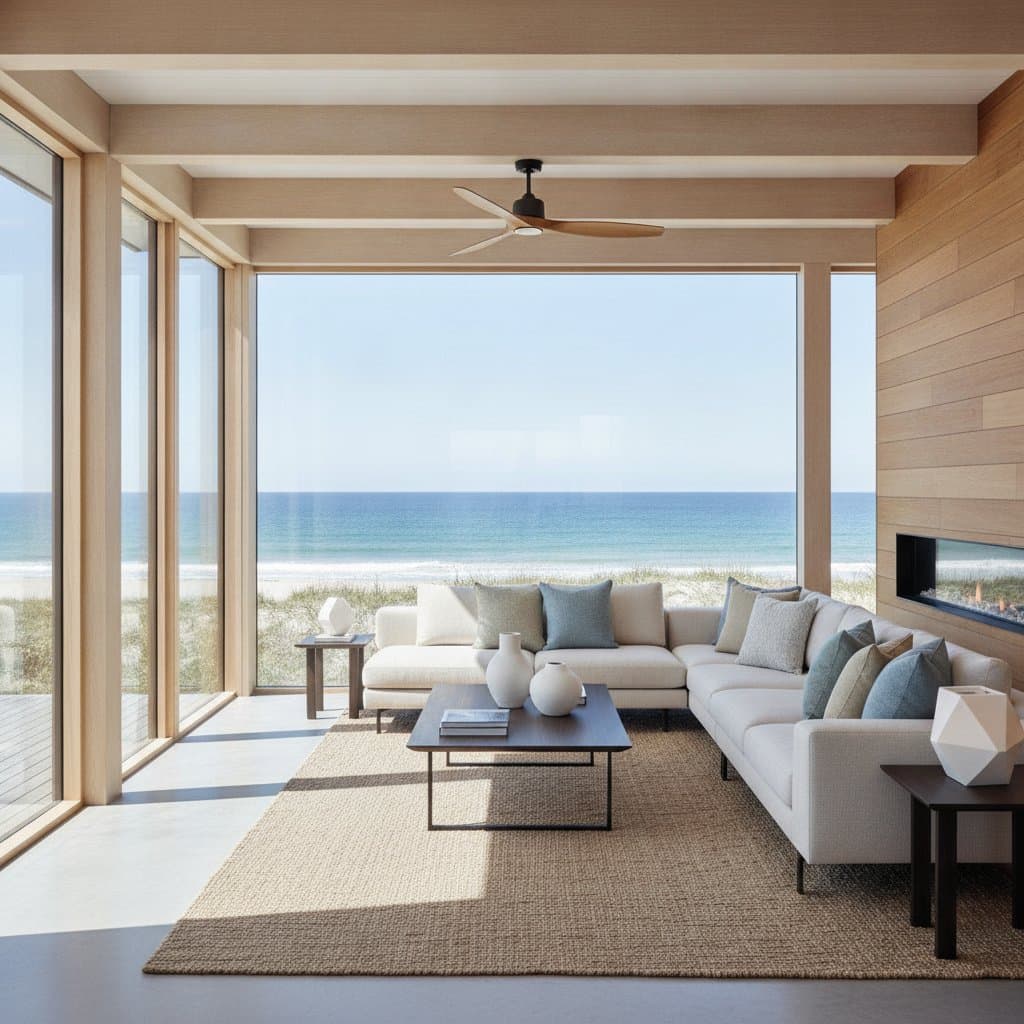
Modular Coastal Homes Deliver 30 Percent Faster Builds in 2026
Building near the coast has always carried a special appeal. It also comes with unique challenges. Traditional coastal home construction can be slow and costly due to weather delays, material transport, and strict environmental regulations.
Many homeowners are now turning to modular coastal homes. These builds promise quicker timelines and consistent quality. They are changing the way coastal properties are designed and constructed.
This guide explains how modular construction achieves faster results. It covers what makes the approach suitable for coastal environments. Readers will also learn how to plan a modular beach home with confidence.
Understanding Modular Coastal Construction
Modular construction involves building a home in sections within a controlled factory environment. Once completed, these modules are transported to the site and assembled on a prepared foundation.
For coastal regions, this method offers valuable advantages. Work happens indoors, which reduces weather delays. Factory level quality checks deliver higher precision. Timelines remain consistent despite local trade shortages or permitting delays.
The result is a coastal home completed up to 30 percent faster than traditional builds. Fewer surprises occur during construction.
Why Modular Homes Fit Coastal Living
Coastal environments demand durability, efficiency, and thoughtful design. Modular homes meet these needs while offering modern flexibility.
Durable Materials for Harsh Conditions
Coastal homes face constant exposure to moisture, salt, and wind. Factory built modules often use moisture resistant framing and insulation. These materials reduce long term maintenance. Corrosion resistant fasteners prevent rust near salty air. Impact rated windows and doors meet coastal code requirements.
These features are built into the design process. The home is ready for the elements from day one.
Sustainable Design and Energy Efficiency
Energy efficiency is another strong benefit. Modular builders can integrate tight building envelopes that minimize air leaks. Solar ready roofs support renewable energy options. Efficient HVAC systems are designed for humid climates.
Lower utility costs keep these homes comfortable and environmentally responsible throughout the year.
Customizable Aesthetic and Layout
Modern modular designs are far from cookie cutter. Homeowners can choose from a range of layouts, finishes, and coastal inspired styles. A minimal glass front beach house or a classic clapboard cottage can both be achieved.
How to Plan Your Modular Coastal Home
A well planned approach ensures the build stays on schedule. It also aligns with your goals. Here is how to get started.
1. Define Your Budget and Priorities
Before selecting a builder, determine must haves and nice to haves. Include costs for the foundation, site preparation, transportation, and utility hookups. Always keep a contingency fund for unexpected site issues.
Modular coastal homes typically start around the mid range per square foot. Prices increase based on materials and location. They vary widely by region and design complexity.
2. Choose an Experienced Modular Builder
Not all modular companies specialize in coastal construction. Look for builders who have experience with coastal zoning and environmental permits. They should also have a portfolio of completed coastal homes. Transparent pricing and clear communication are essential.
3. Prepare the Site Carefully
Coastal land often requires specific foundation systems due to sandy soils, flood zones, or elevation requirements. Your builder and engineer will recommend suitable options such as pier foundations for flood protection. Slab on grade systems provide stability on compacted soil. Deep piles work well in areas with shifting sand.
4. Review and Approve the Design
Once the design is finalized, the builder creates detailed module plans. Review these carefully. Confirm that all finishes, materials, and mechanical systems match expectations before fabrication begins. Changes made after production starts can delay delivery.
5. Oversee Delivery and Assembly
When the modules arrive, the on site assembly phase moves quickly. Cranes lift each section into place. Crews seal seams, connect utilities, and apply final finishes. Within weeks the home transforms from modules to a complete structure ready for inspection.
Frequently Asked Questions
What is the difference between modular and manufactured homes?
Modular homes are built to the same building codes as site built homes. Manufactured homes follow a separate federal code. Modular homes are set on permanent foundations and often appreciate in value like traditional houses.
Can modular coastal homes withstand severe weather?
Yes. Modular coastal homes can be engineered for high wind zones and flood prone areas. Builders use reinforced framing, hurricane rated windows, and elevated foundations when required.
How long does the entire process take?
From design to move in, most modular coastal homes are completed within several months. The actual timeline depends on permitting, site work, and customization choices.
Can I customize the floor plan and finishes?
Absolutely. Modular builders offer a range of customizable layouts, exterior styles, and interior finishes. Room sizes, window placement, and materials can be modified to suit preferences.
Are modular homes more affordable than traditional builds?
They often cost slightly less due to controlled manufacturing and reduced labor time. Total savings depend on land costs, transportation expenses, and design complexity.
Do modular homes hold their value?
Yes. Quality modular homes built to local codes typically maintain or increase in value similar to site built homes. This holds true especially when well maintained and located in desirable coastal areas.
What maintenance does a modular coastal home require?
Maintenance is similar to any coastal property. Regularly inspect exterior seals. Clean salt residue from surfaces. Service HVAC systems to prevent corrosion.
Begin Your Modular Coastal Project
Choosing a modular coastal home can simplify the building experience. It offers modern design, durability, and energy efficiency. Homeowners gain the advantage of faster construction without compromising quality or comfort.