
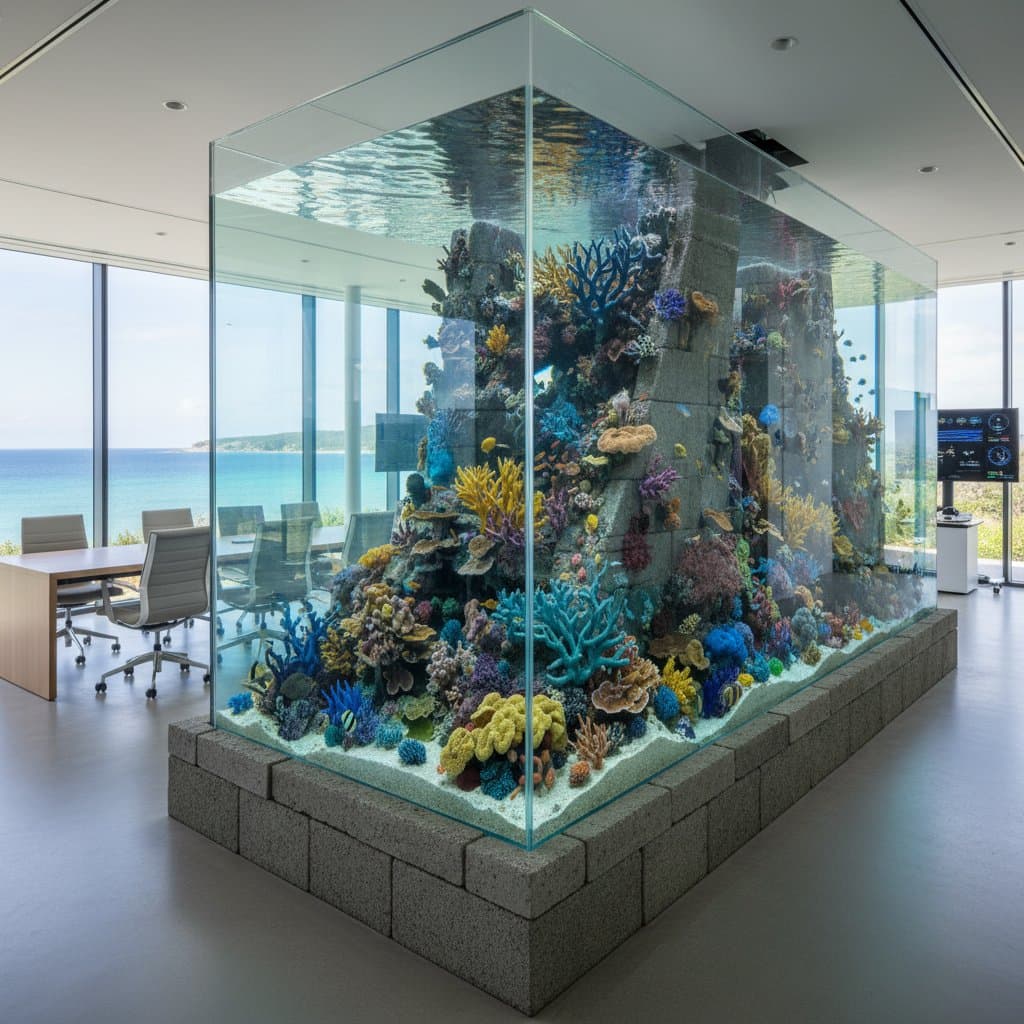
Living Seawalls Restore Coral in Coastal Erosion Fight
Ever walked along a concrete seawall and thought about how lifeless it looks? Now picture that same wall teeming with coral, fish, and marine plants. That is the idea behind living seawalls, a growing innovation in coastal protection that merges engineering with ecology. These structures not only guard shorelines from erosion but also help restore coral and marine biodiversity in the process. It is a win for both people and the planet.
Highlights
- Living seawalls combine traditional coastal defense with ecological restoration.
- They help reduce erosion and revive coral growth in coastal areas.
- Innovative modular panels mimic natural reef textures to attract marine life.
- They offer eco-friendly alternatives to bare concrete barriers.
- With proper maintenance, living seawalls can boost biodiversity and resilience for decades.
What Is a Living Seawall?
A living seawall is a coastal barrier designed to protect shorelines from wave energy while supporting marine ecosystems. Unlike standard concrete walls that create a sterile environment, living seawalls are textured, shaped, and sometimes seeded with marine organisms to replicate natural reef surfaces.
They function as both erosion control systems and habitats for coral and marine species. By integrating ecological design, these seawalls transform from passive barriers into active environmental restorers.
Photo: A section of living seawall covered in coral and seaweed, showing fish swimming around the structure.
How They Differ From Conventional Seawalls
Traditional seawalls are built primarily for strength and wave deflection. While effective for erosion control, they often cause habitat loss and disrupt coastal ecosystems. Living seawalls, in contrast, are designed to work with nature instead of against it.
| Feature | Conventional Seawall | Living Seawall |
|---|---|---|
| Purpose | Erosion control | Erosion control and habitat restoration |
| Surface | Smooth, plain concrete | Textured, eco-engineered panels |
| Biodiversity | Very low | High, supports coral and marine life |
| Maintenance | Structural repairs only | Structural and ecological upkeep |
| Longevity | Functional but lifeless | Functional and regenerative |
How Living Seawalls Help Restore Coral
Coral reefs are vital to coastal health. They act as natural barriers that dissipate wave energy, protect shorelines, and serve as nurseries for marine species. Unfortunately, pollution, rising sea temperatures, and coastal construction have degraded many reefs. Living seawalls offer a practical solution to stimulate coral recovery where natural reefs have declined.
Step-by-Step: Coral Restoration Through Living Seawalls
- Design Phase: Engineers and marine biologists collaborate to design seawall panels with coral-friendly textures, grooves, and cavities. These features provide attachment points for coral larvae and shelter for small marine creatures.
- Installation: These panels are attached to existing seawalls or new structures in strategic coastal zones. Placement considers water depth, current patterns, and exposure to sunlight.
- Seeding: Coral fragments or larvae are introduced to the panels, often using eco-safe adhesives or by natural settlement. This process draws from established techniques in reef rehabilitation projects.
- Monitoring: Researchers monitor coral growth, species diversity, and water quality to track progress. Data collection involves underwater surveys and environmental sensors.
- Maintenance: Occasional cleaning and inspection ensure that the structure remains both stable and biologically active. This includes removing debris and checking for structural integrity.
Tip: When planning a living seawall project, always assess local water quality and sunlight exposure. Coral thrives in clean, well-lit environments with temperatures between 23 and 29 degrees Celsius.
Benefits Beyond Coral Growth
Living seawalls do more than nurture coral. They enhance biodiversity, improve water quality, and strengthen coastal resilience against storms.
Environmental Advantages
- Marine Habitat Creation: The textured panels provide surfaces for oysters, barnacles, algae, and fish. These elements form a complex food web that supports larger species.
- Water Filtration: Filter-feeding organisms help clean the surrounding water naturally. Oysters, for instance, can filter up to 50 gallons of water per day.
- Carbon Sequestration: Some marine organisms that colonize seawalls capture carbon in their shells and skeletons. This contributes to mitigating ocean acidification.
Social and Economic Benefits
- Eco-Tourism Potential: Snorkelers and divers are drawn to living seawall sites, boosting local tourism. Guided tours can generate revenue for coastal communities.
- Community Education: These projects often become outdoor classrooms for schools and volunteers. Hands-on involvement fosters environmental stewardship.
- Long-Term Cost Savings: Although initial costs can be higher, living seawalls reduce repair needs and improve shoreline stability over time. Studies show potential savings of 20 to 30 percent in maintenance expenses.
Photo: Volunteers monitoring coral growth along a living seawall installation.
The Technology Behind Living Seawalls
Modern living seawalls rely on modular panel systems that can be customized for local conditions. These panels are typically made from marine-grade concrete or recycled materials infused with eco-friendly additives. Their shapes mimic natural reef formations like coral heads, rock crevices, and tidal pools.
Smart Design Elements
- Textured Surfaces: Encourage coral larvae to attach and reduce wave reflection. Rough surfaces increase surface area by up to 50 percent compared to smooth concrete.
- Curved Geometry: Disperses wave energy more evenly along the shoreline. This design minimizes scour at the base of the wall.
- Perforations: Allow water to flow through, supporting oxygen circulation and nutrient exchange. Holes of varying sizes accommodate different species.
Some projects even incorporate monitoring sensors to collect data on temperature, salinity, and species diversity. This helps researchers refine designs and measure ecological success over time. Real-time data transmission enables quick responses to environmental changes.
Challenges and Limitations
While living seawalls offer exciting potential, they are not a one-size-fits-all fix. Success depends on local environmental conditions and ongoing care.
Common Challenges
- High Initial Cost: Specialized materials and installation techniques can increase upfront expenses. Costs may range from 20 to 50 percent more than traditional seawalls.
- Maintenance Needs: Regular cleaning is required to prevent invasive species from overtaking coral. Neglect can lead to ecological imbalances.
- Environmental Sensitivity: Poor water quality or sedimentation can hinder coral growth. Urban runoff poses a particular risk in developed areas.
How to Overcome Them
- Choose locations with stable water chemistry and moderate wave energy. Conduct site-specific feasibility studies before implementation.
- Partner with marine research organizations for design and monitoring support. Collaborations provide access to expertise and funding opportunities.
- Educate local communities to help maintain and protect installations. Training programs build capacity for long-term success.
Tip: Always include an ecological monitoring plan in the project budget. It ensures the seawall remains both structurally sound and environmentally beneficial, with annual reviews to adjust strategies.
Living Seawalls in Coastal Communities
Coastal cities around the world are beginning to adopt living seawall technology. In places with strong environmental awareness, such as San Diego, the concept fits perfectly with the community passion for ocean preservation and sustainable living. These projects often start small, such as retrofitting sections of existing walls, then expand as results prove successful.
Residents benefit from improved coastal protection while enjoying the visible return of marine life. It turns once-bleak waterfronts into living ecosystems right at the edge of urban life.
Photo: A vibrant coastal section showing coral-covered seawall panels near a public walkway.
Advancing Coastal Protection Through Community Action
Living seawalls represent a hopeful shift in how we manage coastlines. They blend science, design, and community effort to restore what traditional infrastructure often destroyed. For homeowners, city planners, and environmental advocates, they demonstrate that resilience and restoration can coexist.
If you live near the coast or support eco-friendly development, consider joining local initiatives that promote living seawalls or coral restoration. Every small step, from volunteering in monitoring programs to advocating for sustainable coastal policies, helps protect the marine ecosystems that sustain us all.
There is no place like a thriving shoreline, especially one that is alive with coral and color. With living seawalls, we can defend our coasts while bringing life back to the water edge.